


Caring For Your Older Vehicle in The Winter
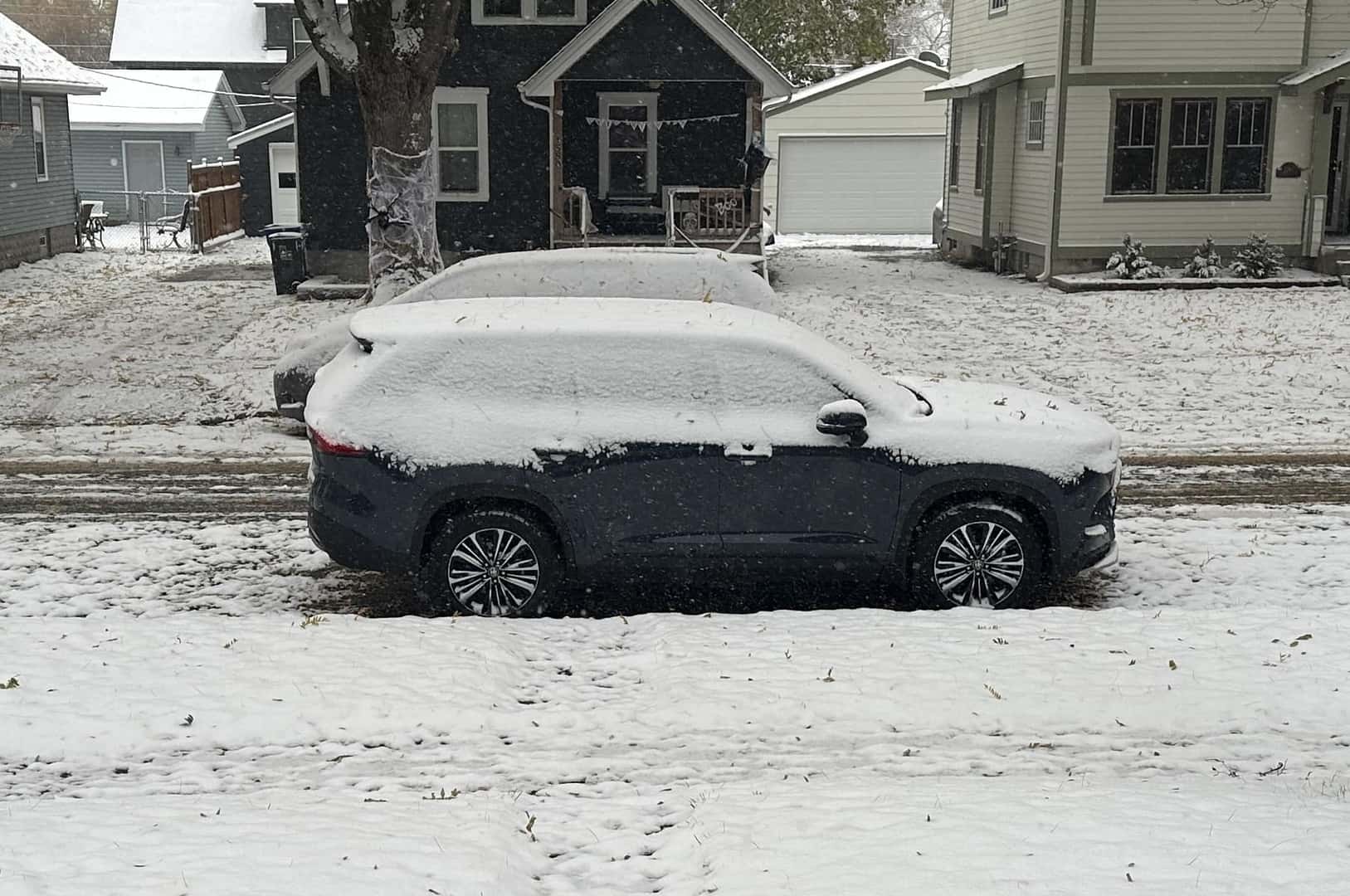
In the middle of winter, your older vehicle is already challenged with colder air temperatures, snow and ice on the road, and a host of potential issues. However, you can get through this and many winters ahead by making sure your vehicle is in good shape.
To get there, you need to take a few steps before you leave for work, school, or your errands during these colder months. AAA has a guide to show you what to check on your vehicle during the wintertime.
The electrical system is a key component that can be affected by colder temperatures. The battery is the heart of this system, providing energy from starting up your vehicle to running the heater. It is also very vulnerable to the cold. That is why it is smart to have your battery checked. A voltmeter or similar device can be connected to the terminals to determine if the voltage is weak or not. If you find that it is weak, the battery will need to be replaced.
Another system that can be affected by the cold is your radiator and coolant. These fluids still need to be circulated in colder temperatures to ensure the life of your engine. During the winter, a mix of water and ethylene or propylene glycol – also known as antifreeze – is mixed in the system to do so. The best way to ensure that your radiator and its associated systems will not freeze up is to check your antifreeze levels. If the level is low, add a 50/50 mix of distilled water and coolant into the cooling system’s overflow tank up to the fill level.
Even with a good scraper, your vehicle may struggle to remove ice from the windows easily. One solution is to add a hydrophobic repellent to your windshield. You may want to do this when the weather is clear and your glass is dry. Just spray it over your glass. That way, ice scraping will be easier, and your windows will be much clearer when you head off to where you need to go.
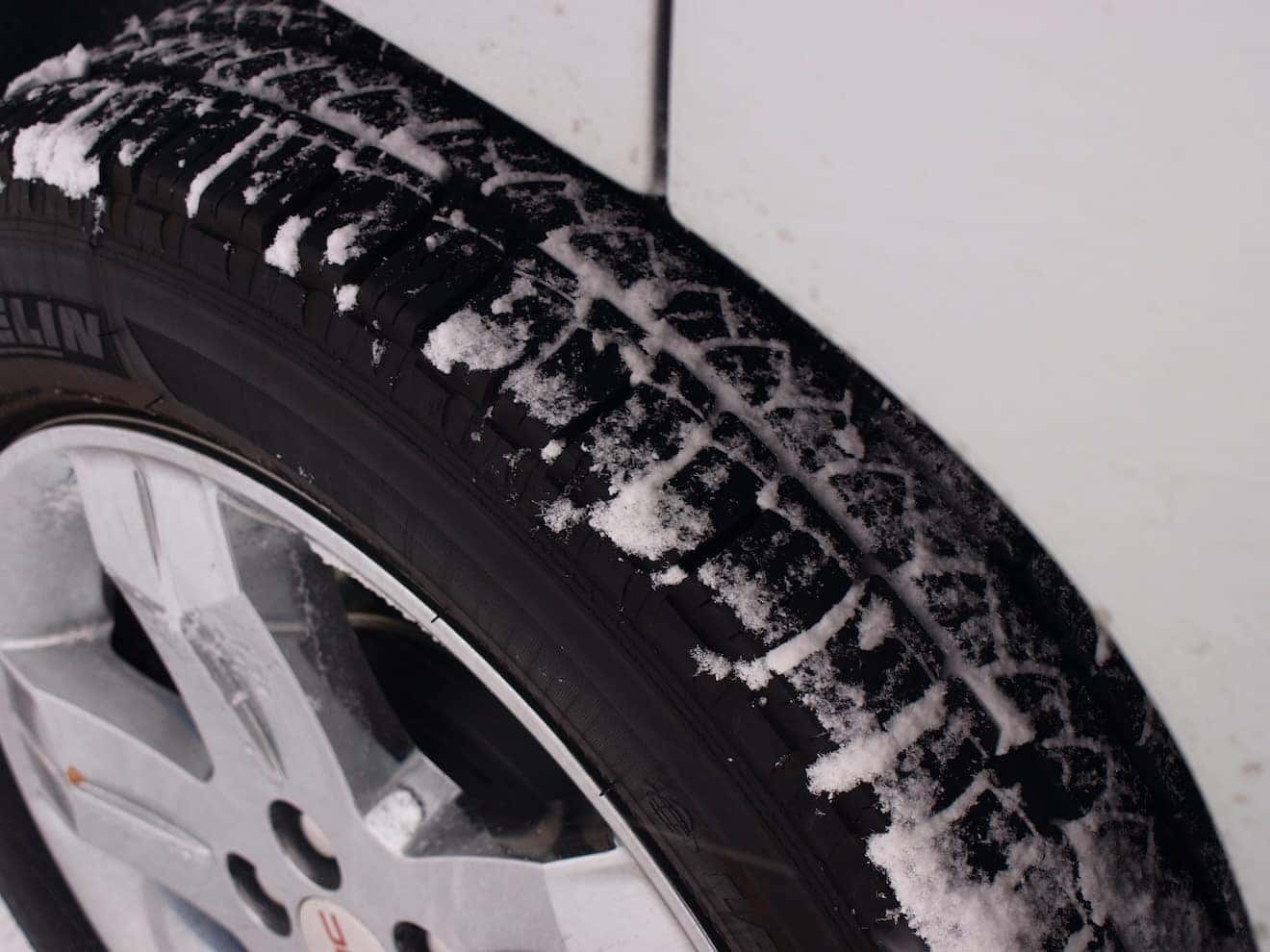
Another critical part of your vehicle is the tires. Always check your tire pressure and tread wear. These pressures can decrease with temperature, so maintaining them at factory-set levels will prevent a loss of traction on any surface. Also, make sure that the tread does not drop below 4/32 inches. That, too, can affect your ability to get traction. Perhaps invest in a set of winter tires.
In turn, making sure your brakes are working properly will also help you stop your vehicle if you lose traction. Make sure that there is no rust on the discs and drums. Also, make sure that the pads are healthy. If any of these issues are present, you will hear them every time you stop your vehicle, in the form of excessive squeaking or a grinding noise.
It is standard practice to have your headlights on during a snowstorm or any winter weather event. However, they must work to ensure you are able to see the road ahead at any time of day. Make sure they are clean and clear of dirt, condensation, or any residue that could impair their ability to work properly. A headlight restoration kit will do the trick.
Lastly, you may want to consider assembling an emergency kit in case you become stranded in an area with limited access to help. You can assemble this with items such as a bag of sand or road salt, an ice scraper, jumper cables, a first aid kit, a snow shovel, water, food, and more. They can fit in your trunk, the cargo hold of your SUV, or the storage in the cab of your pickup truck.
You can easily do some of this on your own. However, if you ever need any help to make sure your older vehicle gets through the winter, contact the Alderman Automotive service department to make an appointment. We can help extend the life of your older vehicle as it navigates many winters ahead.
0 comment(s) so far on Caring For Your Older Vehicle in The Winter