


Essential Services Before the Cold Weather Arrives
It’s October, and summer is well behind us. This being Indiana, winter’s approach is inevitable. Winter affects your car as much as it affects you. You can adapt yourself with layers of clothing but Alderman Automotive can offer several tips to prepare your car for the colder months ahead.
Swap for Winter Tires
With many of us driving SUVs equipped with all-wheel drive and the rise of all-season tires, we’ve been lulled into thinking that installing winter tires is no longer necessary. Not so. All-wheel drive can help you utilize available traction, but that traction depends on the tires. It’s also crucial to remember that all-wheel drive or four-wheel drive doesn’t have any impact on braking, and having maximum braking ability is essential when roads get icy. Keep in mind that while everything might seem fine while you’re driving smoothly, not everyone on the road will have winter tires. How your car responds in an emergency maneuver can mean the difference between an accident and a near-miss.
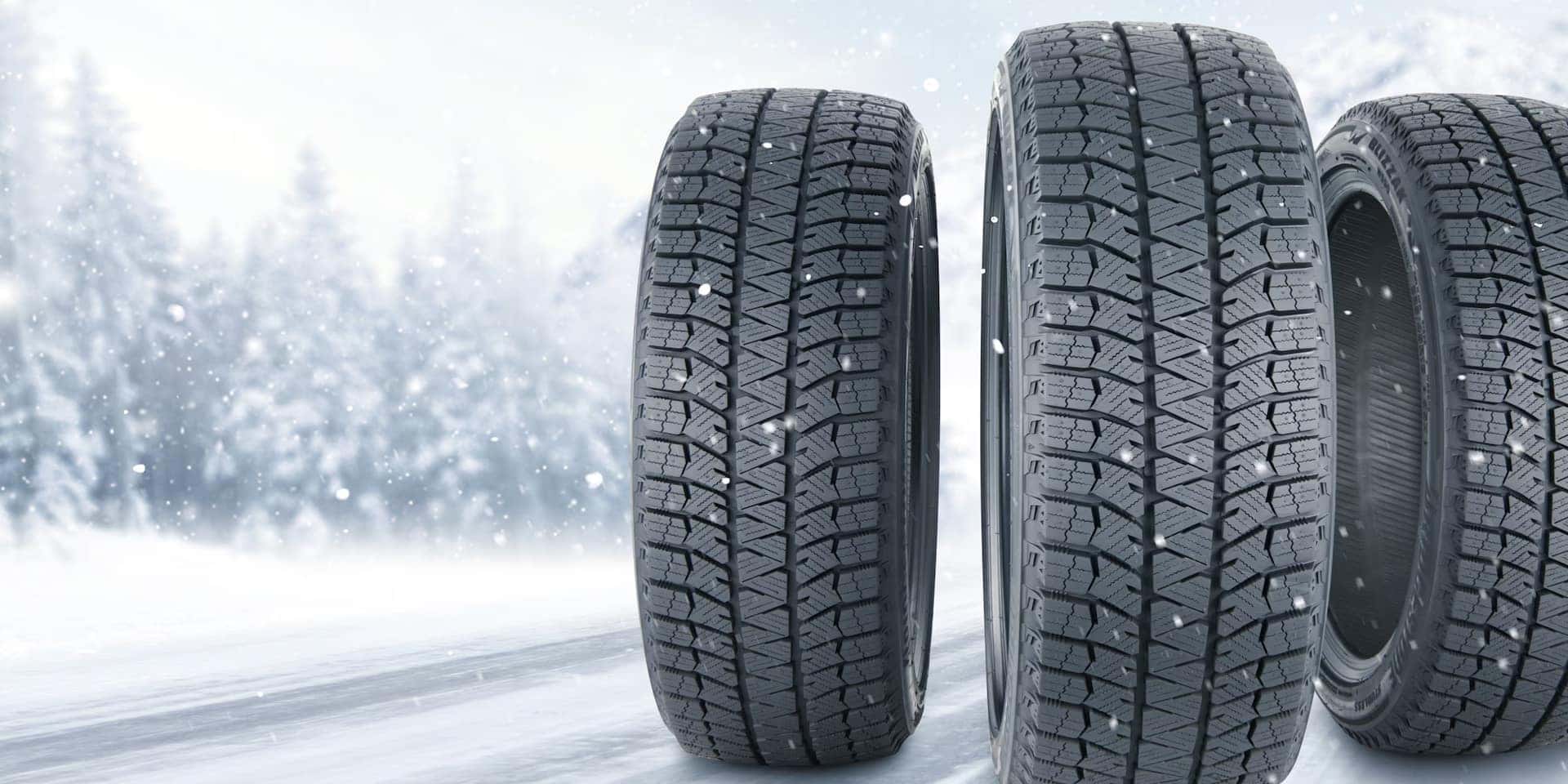
We tend to think of winter tires in terms of their chunkier tread, but actually, the most important aspect of a winter tire is its softer rubber. A drop in temperature hardens the rubber on your tires, which reduces traction. So, tires designed to give you good tread in warmer months are likely to harden too much when the temperature nears or drops below freezing. This means your braking and handling can be hampered even when the road is dry as a bone. The combination of a softer rubber compound with the chunkier tread is your best bet to keep your vehicle going in the direction you want when it does snow.
You want to be prepared before the first major drop in temperature, so October and November are the ideal months to install winter tires.
Check Tire Pressure
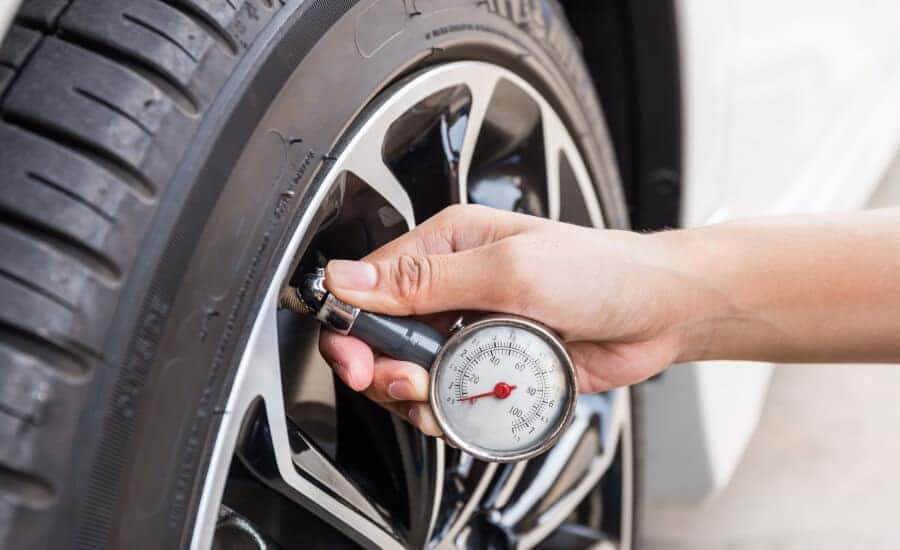
Cold temperatures cause tire pressure to drop, and low pressure can impair handling and decrease fuel efficiency. Regularly check your tire pressure as the temperature changes to make sure it stays within the manufacturer’s recommended levels.
Check Your Car Battery
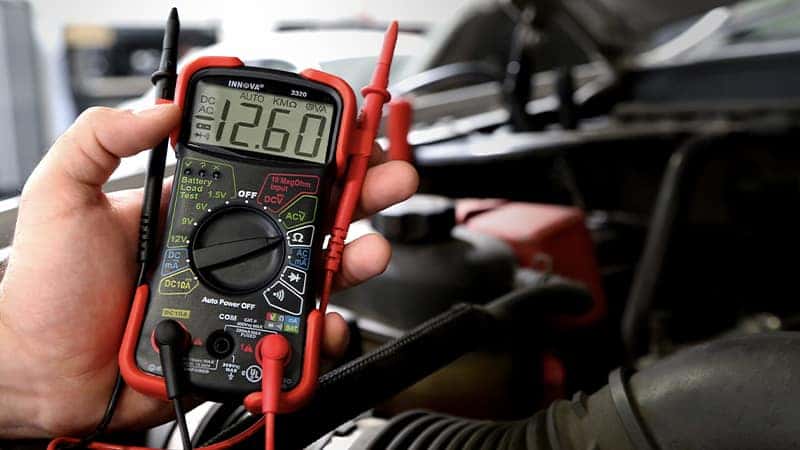
Ever notice how your battery tends to fail at the worst possible time of the year? It is less Murphy’s law and more the laws of thermodynamics. Cold weather decreases the battery’s efficiency, making it harder to start your car. If your battery is already on the trailing end of its life, near or below freezing temperatures can seal the deal. Have your battery voltage checked. A fully charged battery should read at approximately 12.6 volts. If it’s lower, consider replacing it before the cold sets in. This is also a good time to clean the battery terminals. Corrosion on the terminals can cause poor connections and starting issues in cold weather. A brush and a mix of baking soda and water is a good method of cleaning the terminals.
Replace Windshield Wipers & Fluid
Just as colder temperatures make the rubber of your tires harder, the same applies to your windshield wipers, and stiffer wipers are less effective. When snow falls and covers everything in white, including curbs and lane markings, you want the clearest visibility possible. Unless you’ve recently replaced your wipers, autumn is a good time to do so.
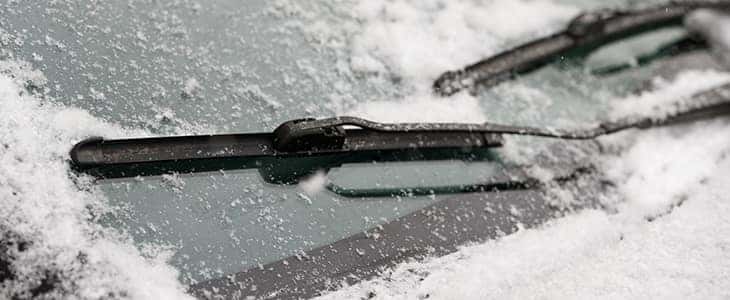
At the same time, ensure you have freeze-resistant wiper fluid to effectively clear the light frost from your windshield in the morning. And while you’re at it, make sure your ice scraper is within reach.
Test Your Heater and Defroster
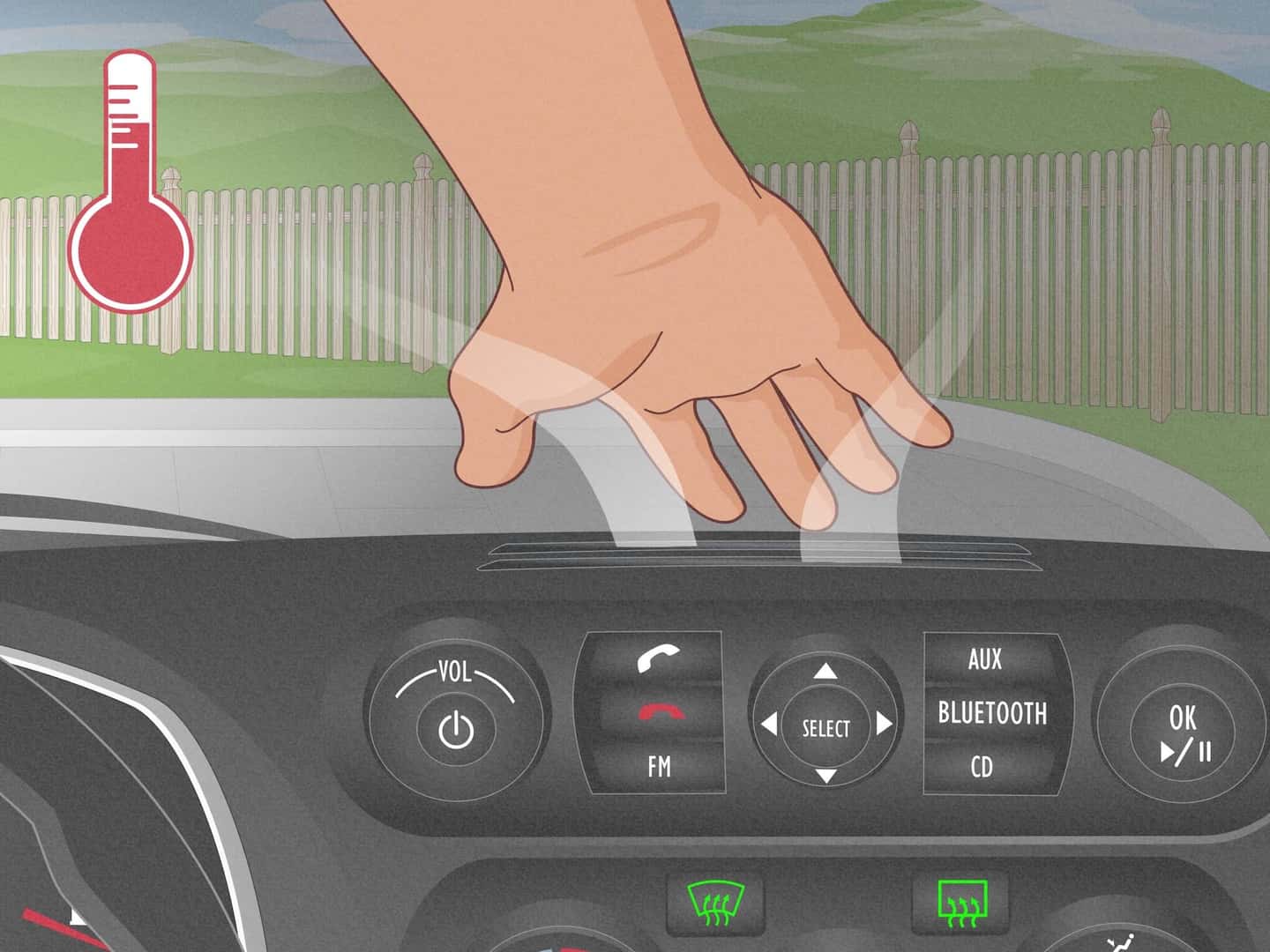
Your heating system not only keeps you comfortable in the winter, but your defroster helps ensure you can see clearly. On an early, somewhat cool autumn evening, check your heater and both front and rear defrosters to ensure they are ready for the months ahead.
Change Your Oil
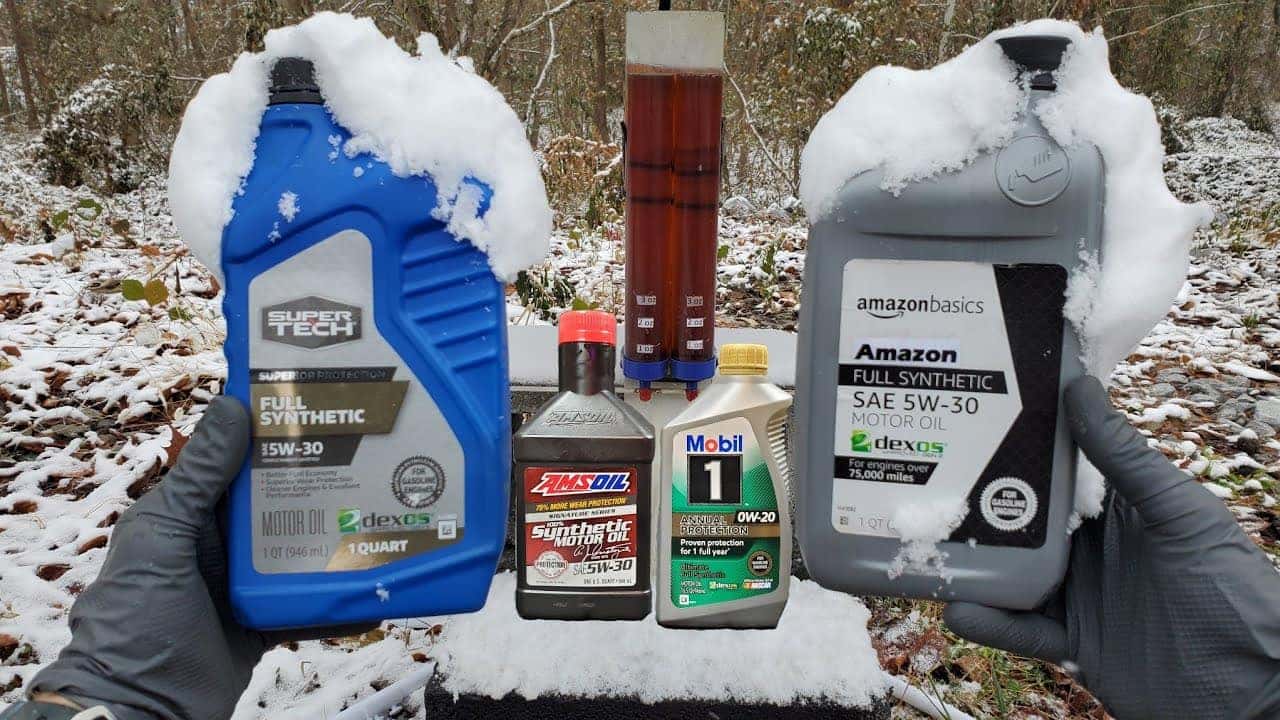
Cold weather causes motor oil to thicken, decreasing its ability to circulate in the engine. As oil ages, it thickens faster, so ensure you use fresh oil for optimal engine performance. Check your owner’s manual for a chart indicating the recommended oil weight based on expected outdoor winter temperatures.
Inspect Belts and Hoses
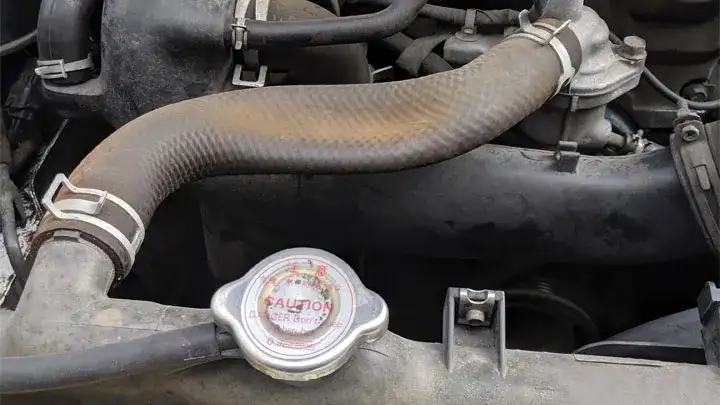
As mentioned, colder temperatures make any pliable object more rigid, so items that need to be flexible, such as belts and hoses, should be checked. Signs of cracks indicate they should be replaced immediately, as they will worsen in the cold, which could impair your vehicle’s operation.
Have An Emergency Kit in Your Car
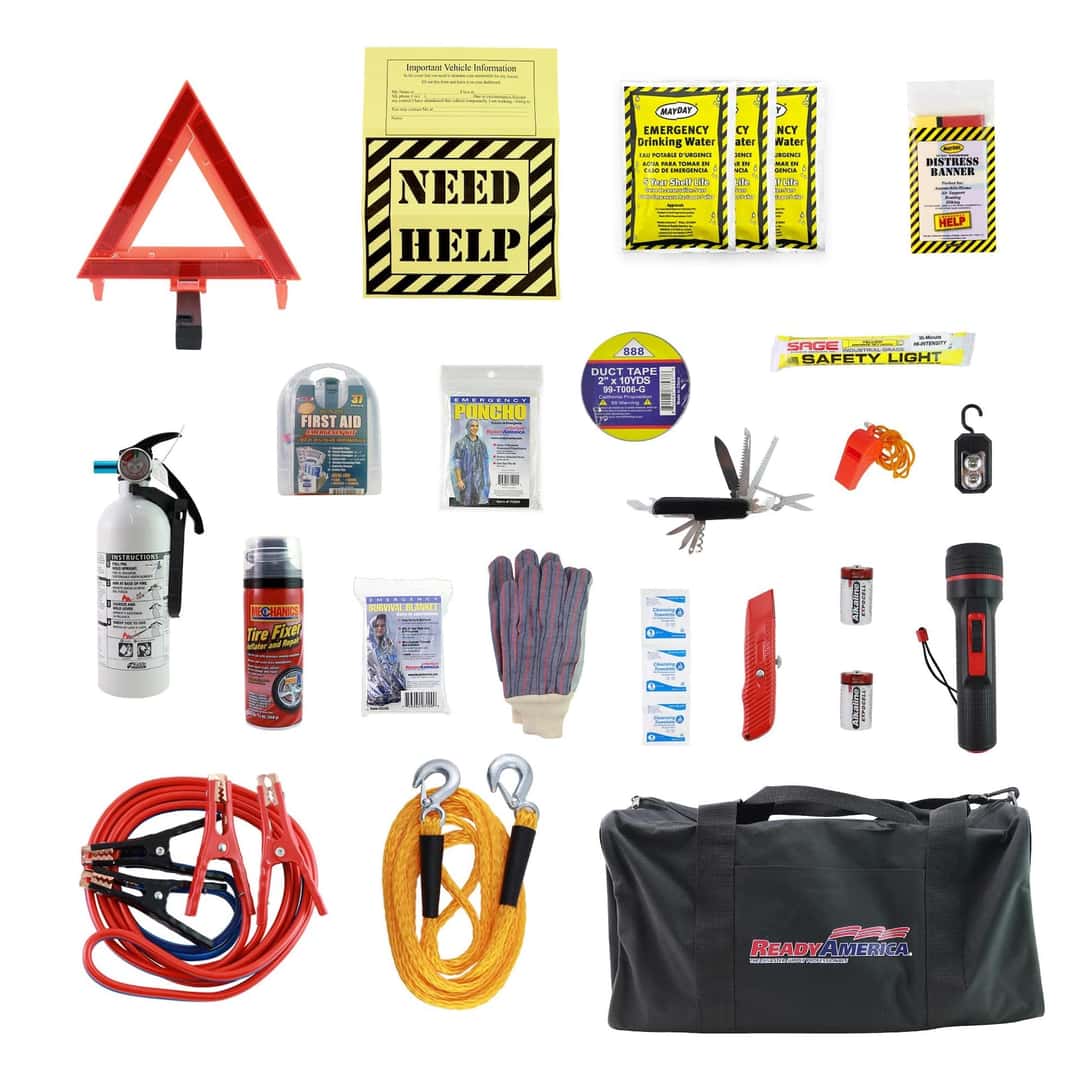
An emergency kit is useful to keep in your car year-round, including items like flares, work gloves, a first-aid kit, a flashlight (separate from your smartphone, so you can preserve its battery in an emergency), and tools if you are handy. If you plan on holiday travel or other long trips, consider adding a shovel and kitty litter or sand for traction if you get stuck. Also, for extended trips, bring blankets, water, and emergency food in case you’re stuck in the cold.
Highways will be more treacherous, particularly with winter storms that can bring slicker road conditions and reduced visibility. Remember, it may not be your car that has you stuck, but an incident a few miles ahead on the interstate can get you stuck for hours. So be prepared.
Let Alderman Automotive Help
You can handle most of these tasks yourself, but for services requiring special equipment, like a battery check and tire change, or anything else you’d prefer experts to handle, take your car to the Alderman Automotive Service Center. They can perform all these jobs quickly and affordably.
0 comment(s) so far on Essential Services Before the Cold Weather Arrives