


Full-size Truck vs Full-size SUV
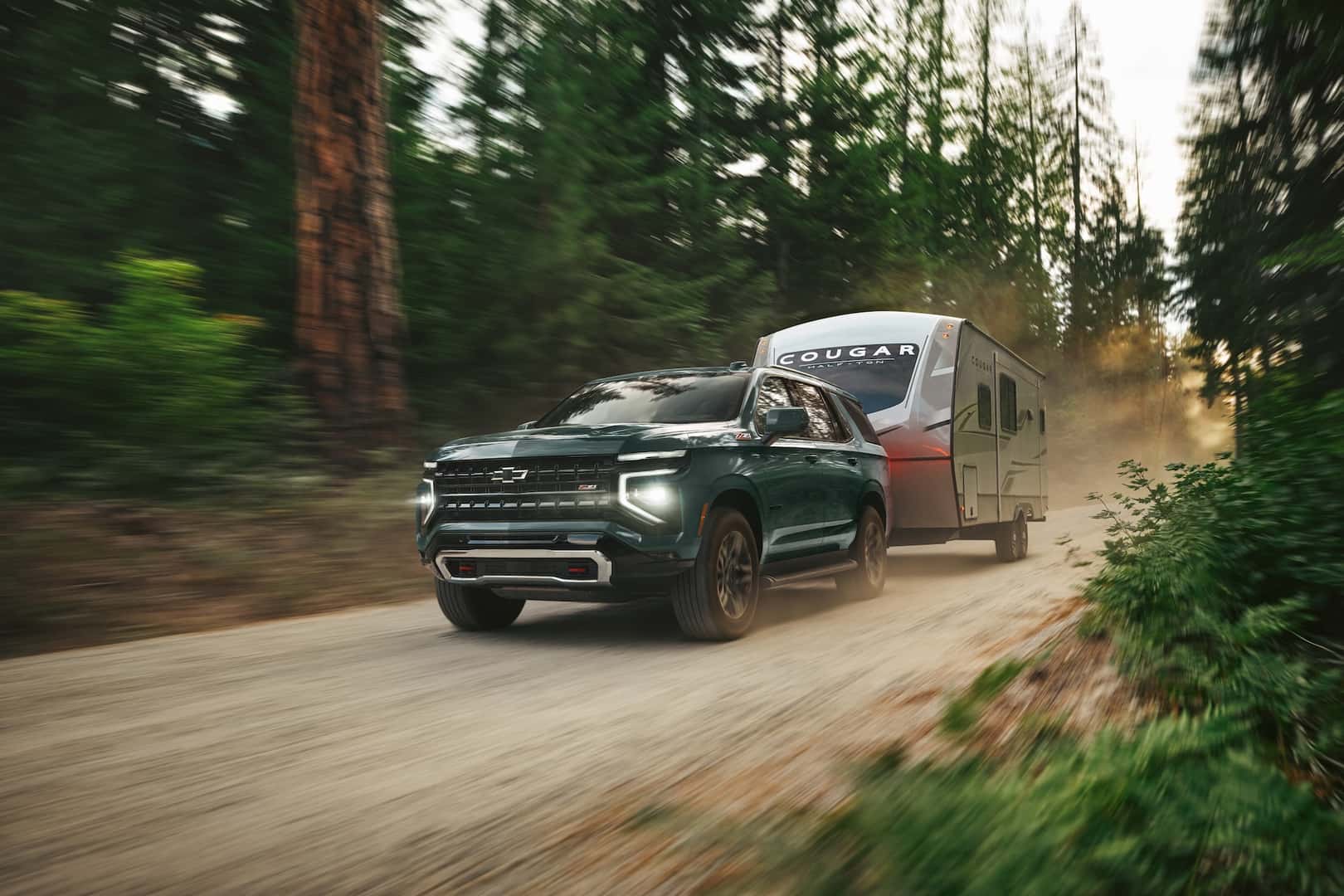
Full-size trucks and SUVs of the same brand often share the same chassis, drivetrains, and other mechanical components. This can make their capabilities very similar, especially when it comes to towing. If you need a tow vehicle or have other reasons to choose a full-size truck or SUV, Alderman Automotive is here to help steer you in the right direction for your needs.
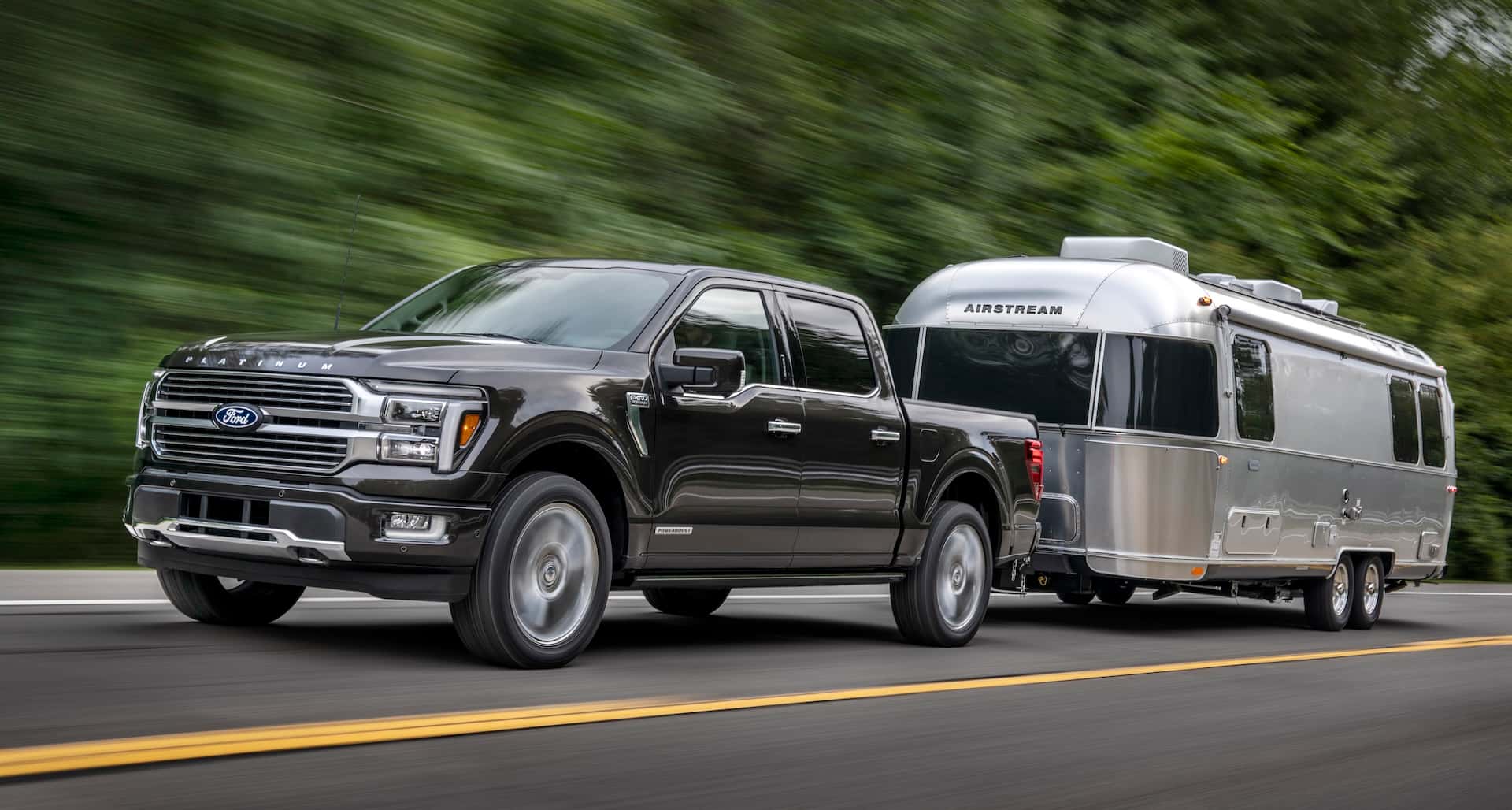
What is Body-on-Frame Construction?
All full-size trucks and most full-size SUVs have what is known as body-on-frame construction. This is where the chassis basically consists of a ladder frame onto which the engine, transmission, and rest of the drivetrain are attached, along with the front and rear suspension and steering rack. A body is then bolted onto this frame. At one time, this was how all vehicles were built, which is why, in the decades before the 80s, almost every model line included 4-door sedans, 2-door sedans, station wagons, and convertibles. They simply placed different bodies on a common frame.
In contrast, modern cars and crossover SUVs feature unibody construction where the body acts as the chassis, with the structure integrated into the pillars, roof, and floor. This results in a lighter, stiffer vehicle with better ride, handling, and fuel economy.
However, most pickup trucks and full-size SUVs retain body-on-frame construction because concentrating the structural stress on the chassis has certain advantages that are often important to buyers of these types of vehicles, such as the ability to carry a higher payload and greater towing capacity. Additional benefits include greater off-road durability and lower collision repair costs.
Pickup vs. SUV
Passenger Capacity
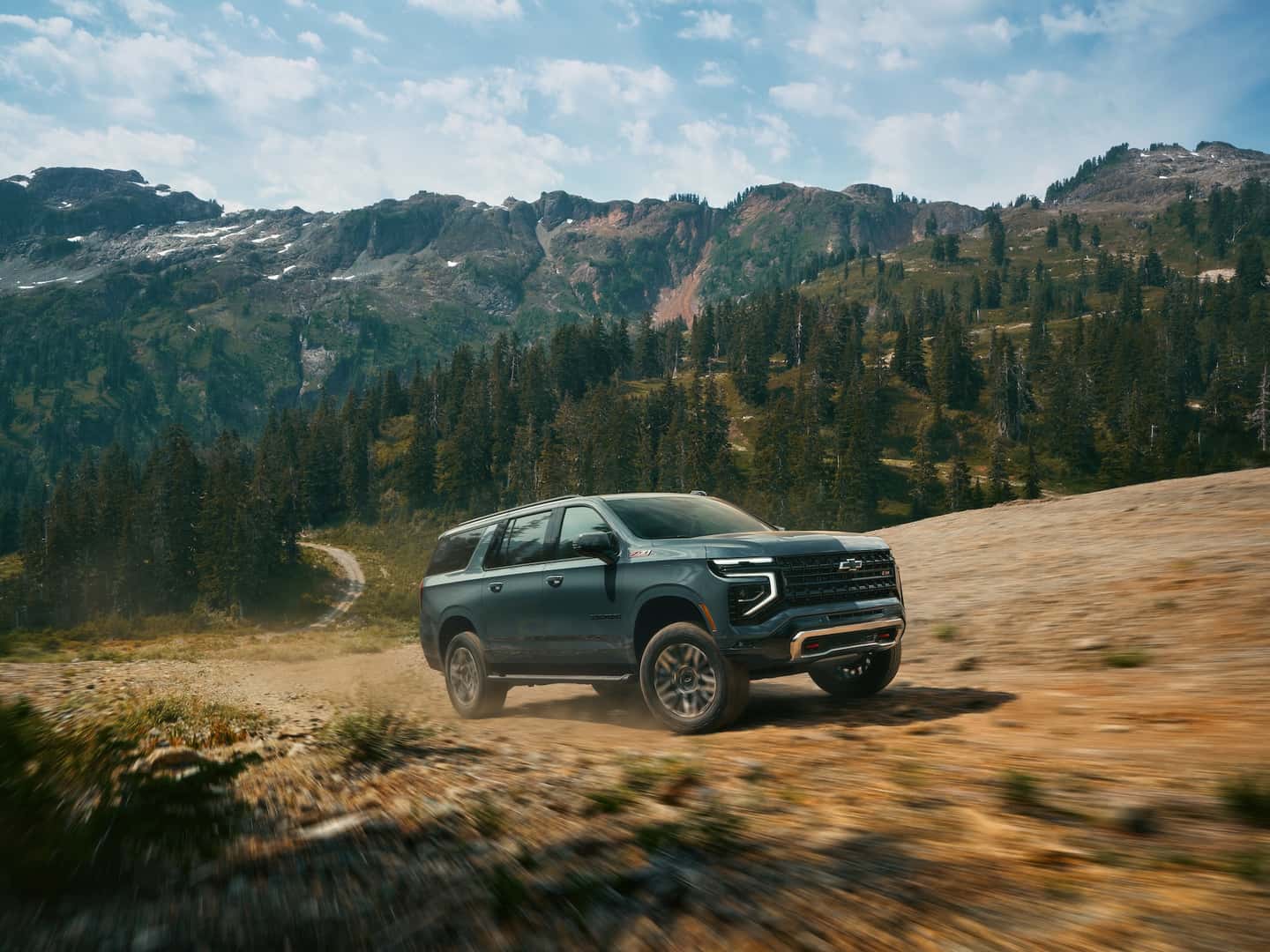
If towing or hauling needs lead you toward full-size, body-on-frame vehicles, your choice between a pickup truck and an SUV mainly depends on your personal plans for the vehicle. There are no three-row pickup trucks, so trucks can carry and seat a maximum of five people, or six if they have a front bench seat. Therefore, if you occasionally need to transport more than five or six people, an SUV is the logical choice, especially since all full-size SUVs have a third-row seat.
Even if you don’t use the third row, the second row can often be more comfortable for passengers with seats that may slide rearward for more legroom space and/or seatbacks that lean back for more comfort. SUVs are also often equipped with second-row captains’ chairs, which are much like, if not identical to, the front bucket seats for even greater comfort. Passengers can also toss items in the cargo area and access them from within the cabin. SUVs are generally more comfortable as well, with softer suspensions and greater sound deadening.
Cargo Capacity
Pickup trucks have the advantage in cargo capacity. The open bed is easier to load and unload, and you worry less about items scratching or denting surfaces. If you regularly haul tall things like refrigerators, furniture, or even bicycles, it is all easier to do with a pickup truck. As mentioned, they often have higher payload capacities. However, it is worth noting that what you can get in an SUV can be locked up securely, which is not the case for anything in a pickup truck’s cargo bed.
Towing Ability
Both full-size SUVs and pickup trucks are suitable for towing large trailers. Trucks generally have the advantage in towing capacity simply because they are slightly lighter for a given drivetrain. Of course, pickups are the only option for 5th-wheel or gooseneck trailers since these connect in the truck bed. On the other hand, if the trailer’s weight is within either vehicle’s limits but the trailer does not have enough capacity for extra cargo, the SUV, as mentioned, can carry more securely in a lockable space.
Off-Road Ability
Both 4×4 pickups and SUVs are capable of taking you on unpaved but frequently traveled trails and open spaces. However, pickup trucks generally have an edge as the trails become rougher. Pickups are more likely to feature off-road capable trims, and their improved visibility and chassis flexibility can offer benefits in challenging off-road conditions.
Resale Value
Pickups often hold their value better because if the primary need is carrying cargo, a 5, 10, or even 20-30 year-old truck bed works just as well as a new one. In contrast, when the focus is on transporting people, older SUV models may lack the features or latest technologies that passengers value. Their interiors might just look more worn, reducing their worth. Fancier pickup trucks also tend not to keep as much of their original value as more basic models for the same reason.
Summary
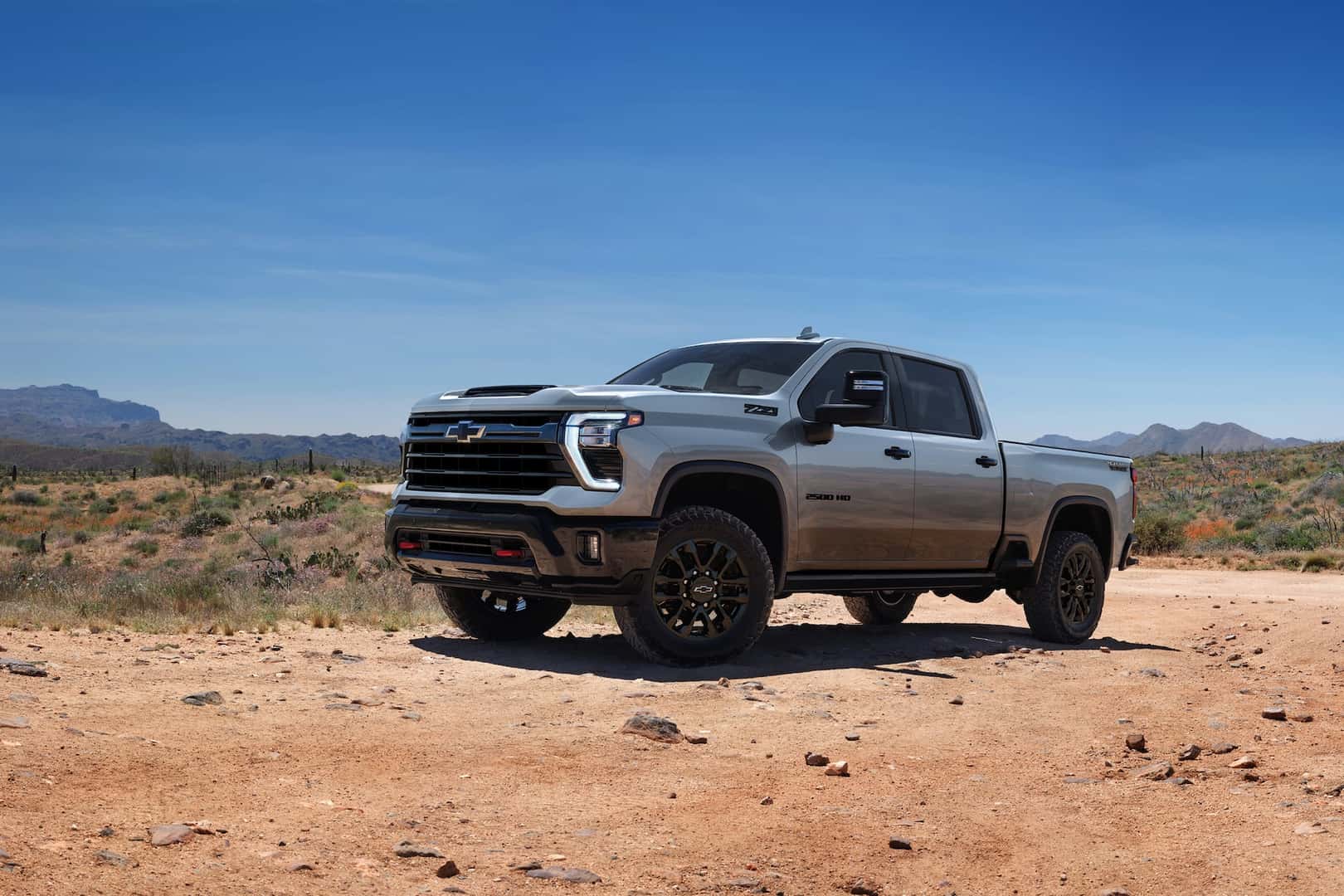
Choosing between a pickup truck and an SUV ultimately depends on your personal needs and lifestyle. If your primary focus is on cargo space or towing capacity, a truck may be the better option. Conversely, if comfort, versatility, and being family-friendly are more important, then an SUV could be the right choice for you. Luckily, you can find many options of both from many brands at Alderman Automotive, where sales professionals can help you find the vehicle that best fits your needs.
0 comment(s) so far on Full-size Truck vs Full-size SUV