


How New Engine Mounts Can Transform The Feel Of Your Car
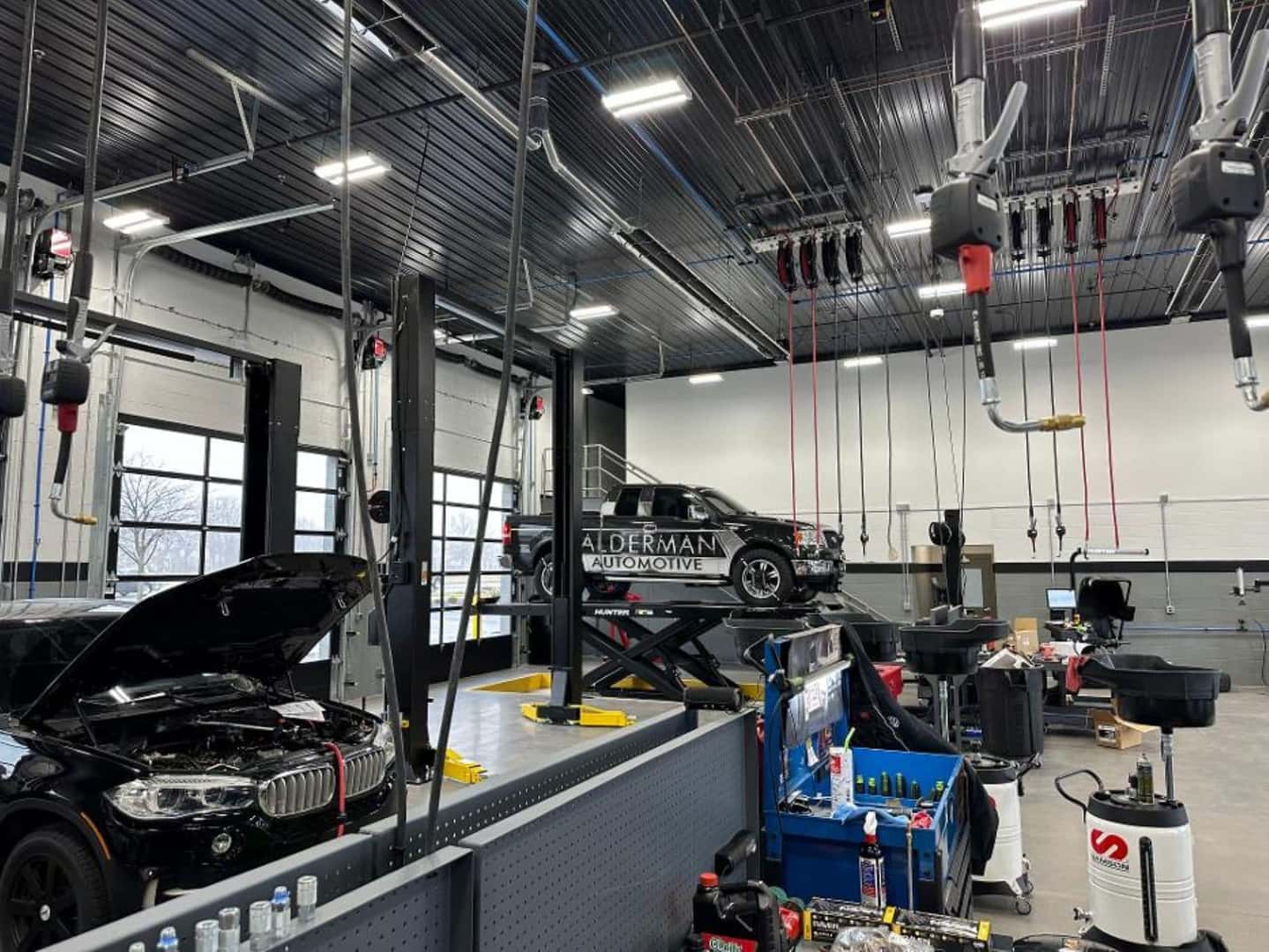
An item often overlooked when evaluating the feel of a used car is the condition of the engine mounts. As the name suggests, these mounts secure the engine to the vehicle’s frame or unibody. They are more than just nuts and bolts, however. While cars can have rather elaborate suspension arrangements to keep out road vibration, it is up to these mounts to isolate the engine vibration from the rest of the vehicle. Alderman Automotive wants you to know that the condition of these mounts can have a direct impact on the feel of the car. Engine mounts can be expected to stay intact about 8-10 years and/or 100K miles, but this varies considerably even within a model.
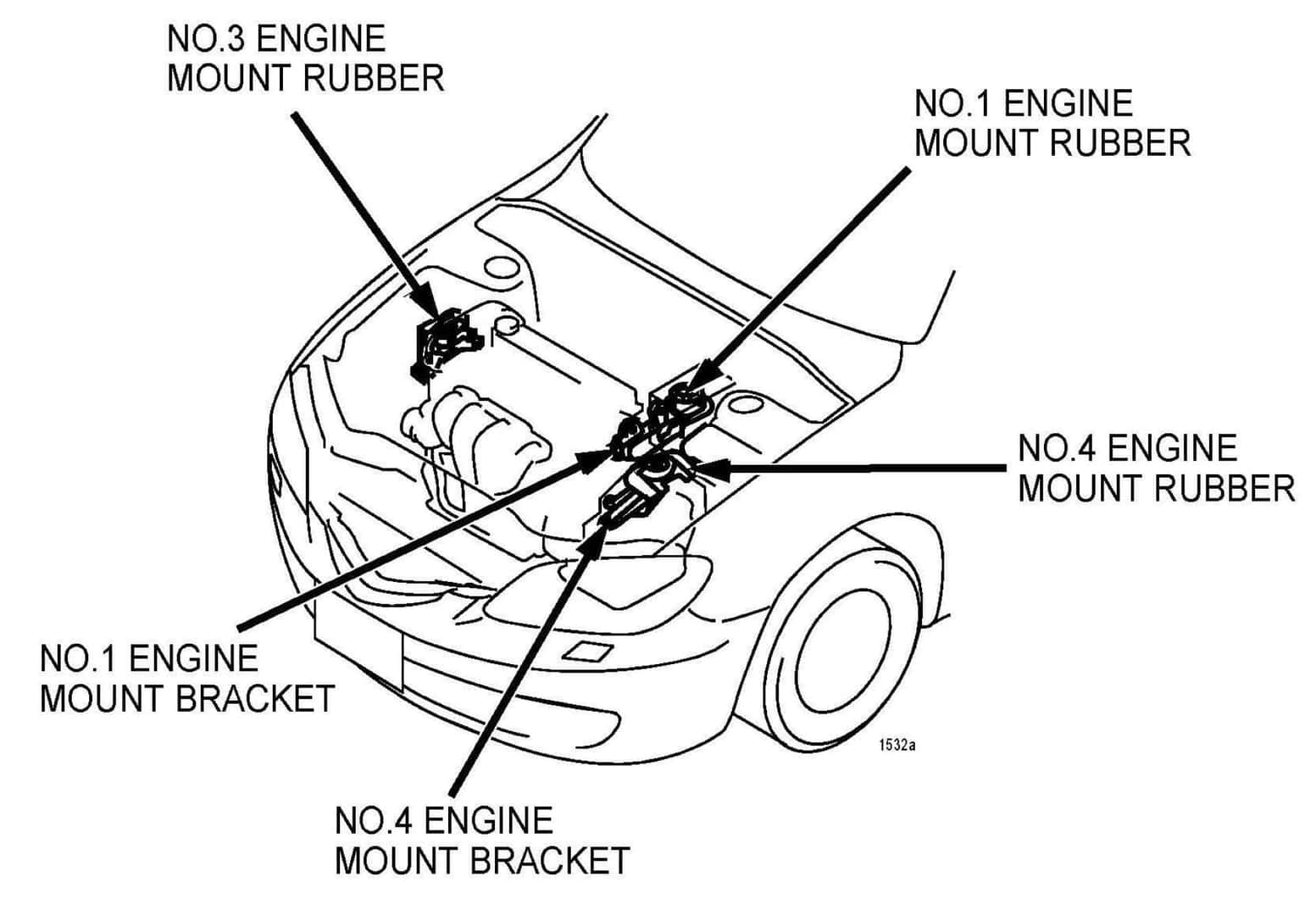
What is an Engine Mount?
Also referred to as motor mounts or isolators, a vehicle typically has three or four engine mounts. Generally, front-drive vehicles with transverse engines will have four mounts, while rear-wheel drive models with longitudinally mounted engines will have three; however, this can vary based on engine size and other factors.
Engine mounts consist of:
- Rubber Body
- Sleeve Bushing or Bonded Plate
- Connection bolt
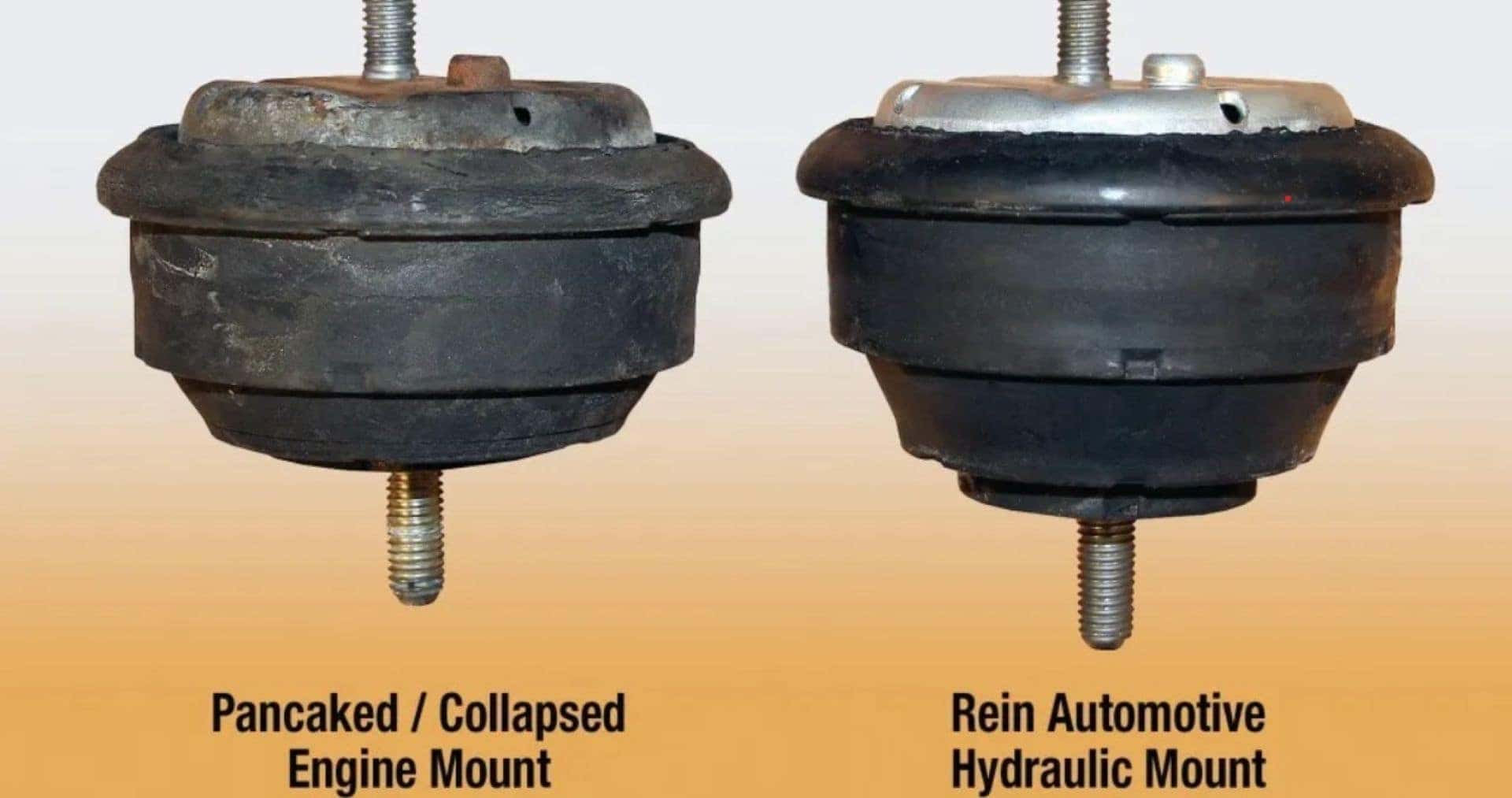
The part that has the most impact on a mount’s effectiveness is the rubber body. These can be solid rubber or filled with liquid or another material, all aimed at balancing the need to keep the engine secure while absorbing vibrations that would otherwise be felt in the cabin. Since rubber is a material that can deteriorate over time, these mounts may need to be replaced. The rubber can dry out and crack, losing its integrity. If it is liquid-filled, the liquid can leak through a cracked rubber housing, consequently losing its ability to absorb vibrations. One bad mount will increase the load of the remaining mounts, causing them to break down as well.
Identifying a Failing Engine Mount
Increased vibration in a car that varies with engine RPM can indicate one or more faulty engine mounts. Another sign is a sensation of slop or looseness in the drivetrain. This can manifest as hesitation or a “thunking feel” when you adjust the throttle pedal or when manual or automatic gear changes occur. Unfortunately, because this looseness increases steadily over time, owners often do not notice it or simply accept it as an unavoidable aspect of the vehicle’s age.
Engines are heavy objects, so even if all the mounts somehow disappear, the engine is not likely to fly out of its bay. However, if worn engine mounts are left uncorrected, the drivetrain looseness will steadily increase, and eventually, damage to the engine can occur since the rubber mounts also protect the engine housing against road-induced bumps and vibrations from the frame.
Replacement Mounts
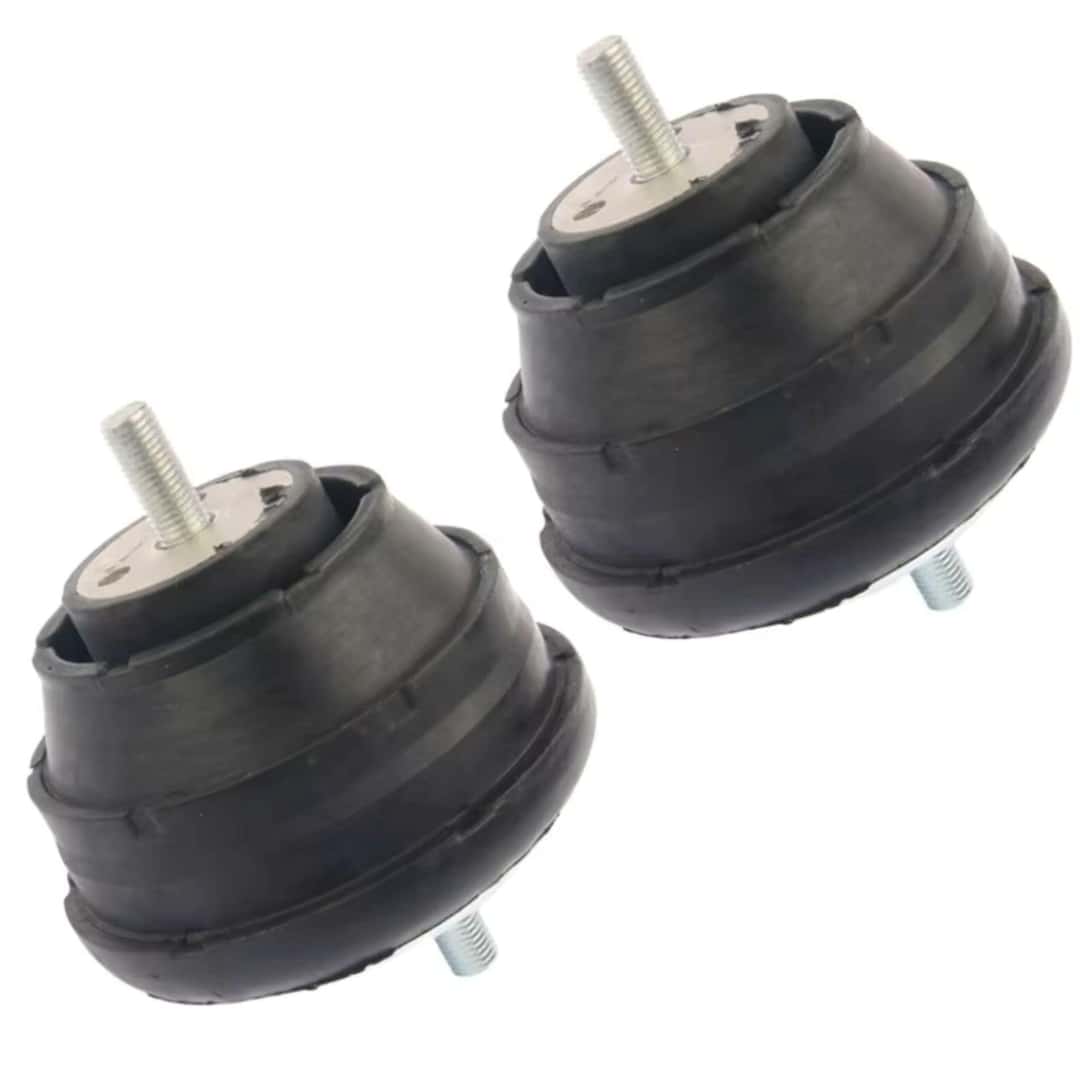
If you were happy with how your car felt years ago, you probably just want to replace the old mounts with new OEM ones. Aftermarket mounts are available, and their level of compliance can change your vehicle’s feel for better or worse. High-performance mounts are designed to minimize engine movement for more precise throttle response, but they can also transmit more engine vibration to the vehicle. Softer mounts will have the opposite effect. Just remember that replacing worn mounts with the same OEM parts will alter the vehicle’s feel, eliminating “thunking” from the throttle and likely reducing engine vibration felt in the cabin. Even if only one mount is bad, it’s advisable to replace its counterpart on the opposite side or all of them as a set.
Mounts Replacement Procedure
Unless you have a well-equipped garage, you will likely want to leave this to the professionals. The procedure is quite straightforward: secure the engine, remove the old mounts, and replace them with new ones. However, by definition, the mounts are under the engine and can be difficult to access depending on the engine; this task is best done by lifting the car. “Securing the engine” means lifting it from the frame, usually through a special jack, and disconnecting the engine from other hard connections that won’t lift with the engine. Therefore, there is a lift, a special jack, and a few other specialized tools involved that you may not have in your garage. If you do have all those things, you probably didn’t need to read this. Once completed, you can expect your vehicle to feel tighter and more smoothly responsive to any throttle input.
We would be remiss not to mention that the Alderman Automotive Service Department is fully capable of performing this procedure. If you’re experiencing the vehicle conditions listed above, contact our Service Department to diagnose the issue for you.
0 comment(s) so far on How New Engine Mounts Can Transform The Feel Of Your Car