


How to Detect a Dying Battery

If you are old enough to have driven or ridden in cars from the 60s and 70s, you may remember the signs that a car battery was getting weaker. Instead of starting the car right away, you would hear the starter turning more slowly for several seconds, and sometimes that was enough to start the car. It might even do this a few times before the car wouldn’t start. It was never a pleasant sound, but at least you had a warning. Today, batteries are more likely to work fine until they stop working altogether. This Alderman Automotive post explains why and provides additional things to look for regarding your car battery’s health.
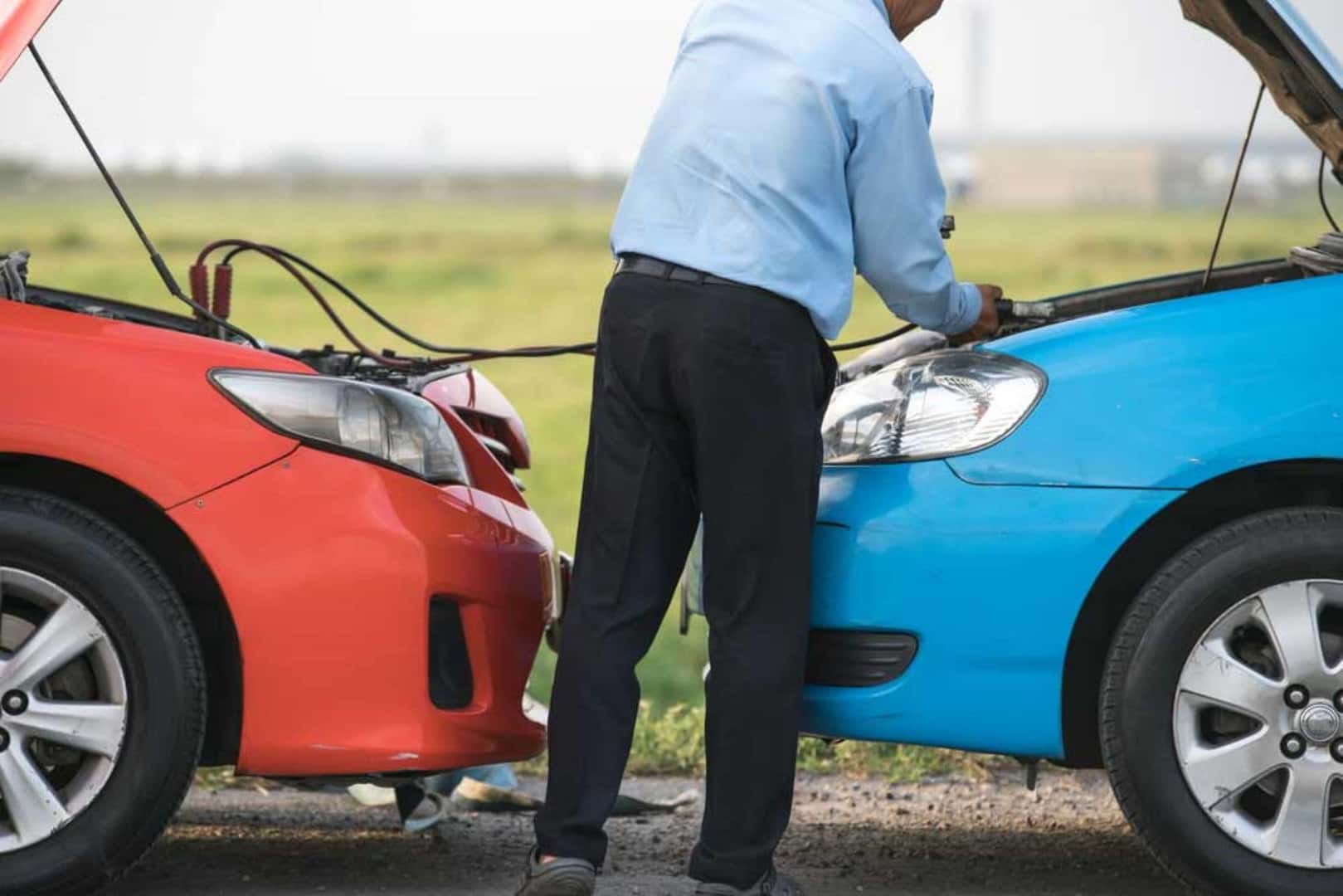
The difference between getting a warning in those old cars and not getting one anymore has less to do with changes in the batteries than with the engines they are meant to turn over. Older engines were larger. Big-displacement V8s were as common as dirt, and even six-cylinder engines were often larger or were a greater load than what may be in your car now. Their components were also heavier, and many had significantly higher compression ratios. Consequently, they were much harder to start, and the gap between starting quickly and not starting at all was much wider. Today’s lighter engines with lower compression ratios (particularly if they are turbocharged) are much easier to start, so your battery probably lasts longer than it did in those old cars, but you don’t get as much warning when it finally gives out. Giving out is the most obvious sign your battery is weak, but there are a few others.
Signs Your Battery is Weak
- Won’t Remotely Unlock the Doors
In many of today’s cars, you may get your first warning before you even get in. If you unlock your car with a key fob, or it unlocks remotely in another way, and the car won’t unlock, that could be your first sign. Of course, it could also be the battery in your fob, so once you enter your car the old-fashioned way with a key, look around. Are the things that usually light up for you doing so? For instance, a dome light that automatically turns on when you open the door, or dash lights that do the same. You may even check the map light or manually turn on the dome light. If it is dark or you are in a garage, you can turn on the headlights to check.
You will undoubtedly try to start the car anyway. However, if it doesn’t start, the problem with these other electrical features suggests the battery is likely the issue rather than a problem with your ignition or engine. - Your Battery Warning Light Is On
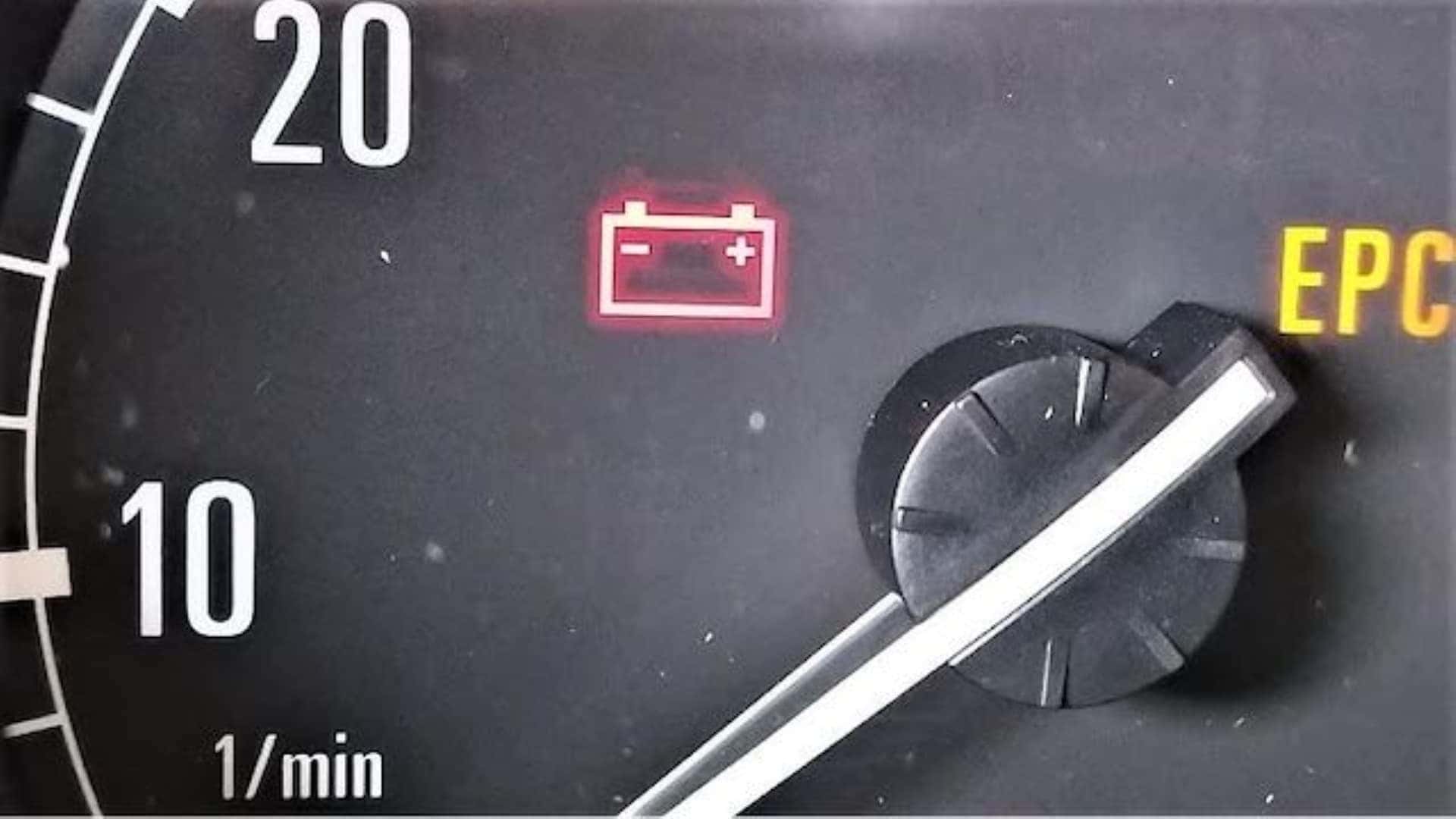
If you have some battery power, but not enough, or if your engine is running and the battery light comes on. The light can be triggered by a lack of voltage. When your car is running, your battery voltage should be between 13 and 15 volts. If it drops below that, your battery light may come on. - Lost Memory Settings
If you jumped your car and found that your memory settings, such as your seat position and preset radio stations, were lost, or if Bluetooth doesn’t recognize your phone, these are signs that your battery wasn’t just weak but dead, at least in a coma. These things don’t draw much power, but they do require some. Your alternator may bring the battery back to life, but there is a good chance your battery has been weakened. It may be a good time to give it a voltage check. - Flickering lights at Low Engine RPM
If your headlights dim or flicker while idling, it could indicate a faulty alternator and/or a weak battery. Usually, when the alternator can’t supply enough power for the car’s systems, the battery compensates. However, a failing alternator will ultimately drain the battery completely. This often leads to various engine problems during operation. - Rough Idle Soon After Starting the Engine
If your car hesitates or jerks briefly after starting, but then subsides after a minute or two, it could be a sign of a failing battery. Your alternator generally powers engine sensors, control modules, and other electronics that keep your engine running smoothly. However, right after you start, the alternator hasn’t had time to produce enough power, so the battery fills the gap. However, if the battery is low, you might notice small jerks or hesitations because sensors or switches are not receiving enough power. In severe cases, a weak battery can trigger warning lights, such as the check engine light, because sensors aren’t receiving proper power. - Problems in Cold Weather
It may seem like Murphy’s law that your battery will die as soon as it is cold and unpleasant out, but it is actually the law of thermodynamics. Your battery discharges current via an electrochemical reaction, but cold weather slows down chemical reactions. So your battery may show weakness or require a jump in the cold, and be fine if it warms up again. This is a sign that your battery is weak, and you should get it checked.
Battery or Alternator?
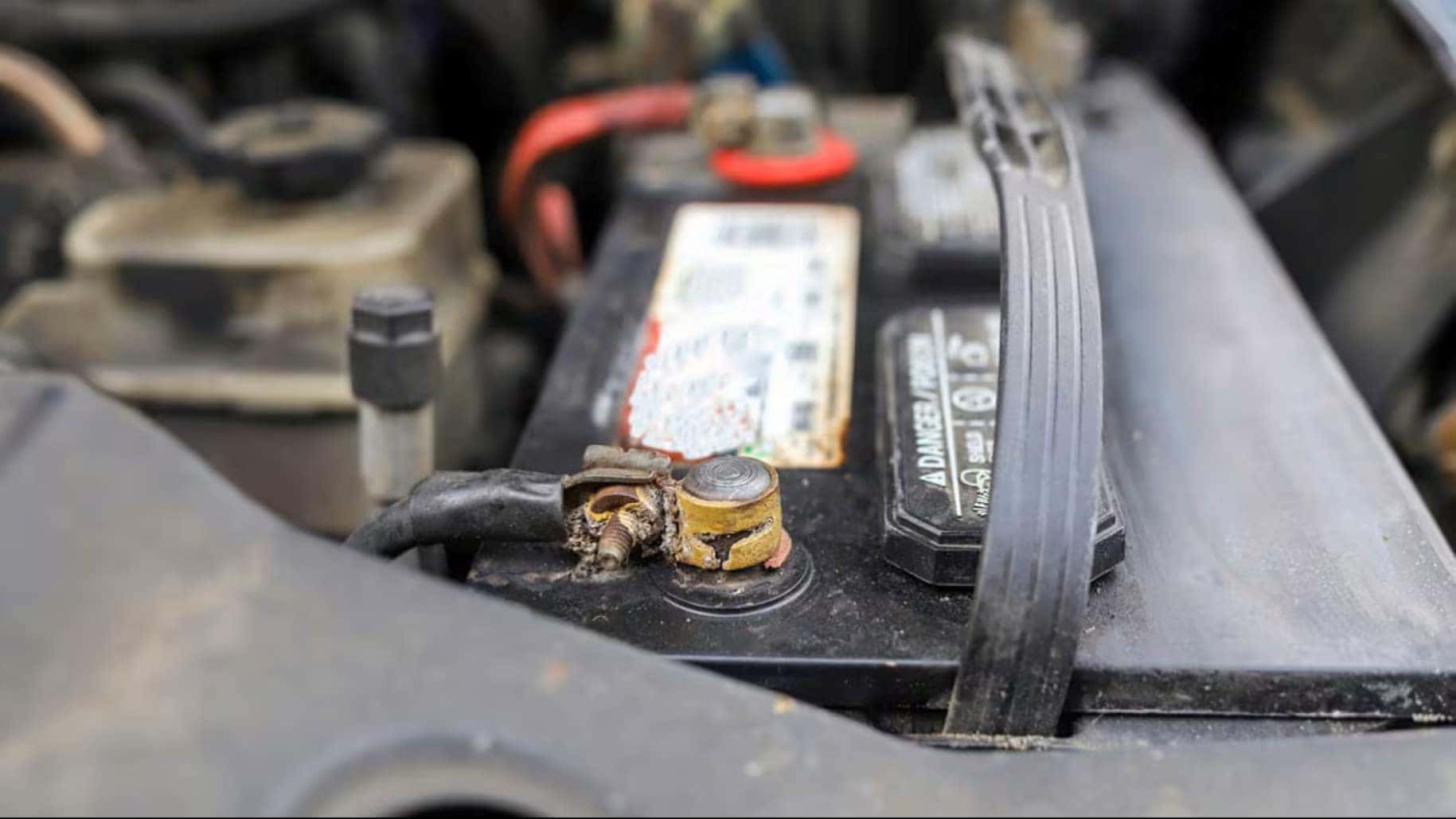
Remember, a battery could weaken due to age, contact corrosion, or a poor alternator that isn’t charging it sufficiently. A sure sign the alternator is bad is that your lights dim and brighten with engine RPM, which shows the alternator is providing inconsistent voltage. But you can also check these things.
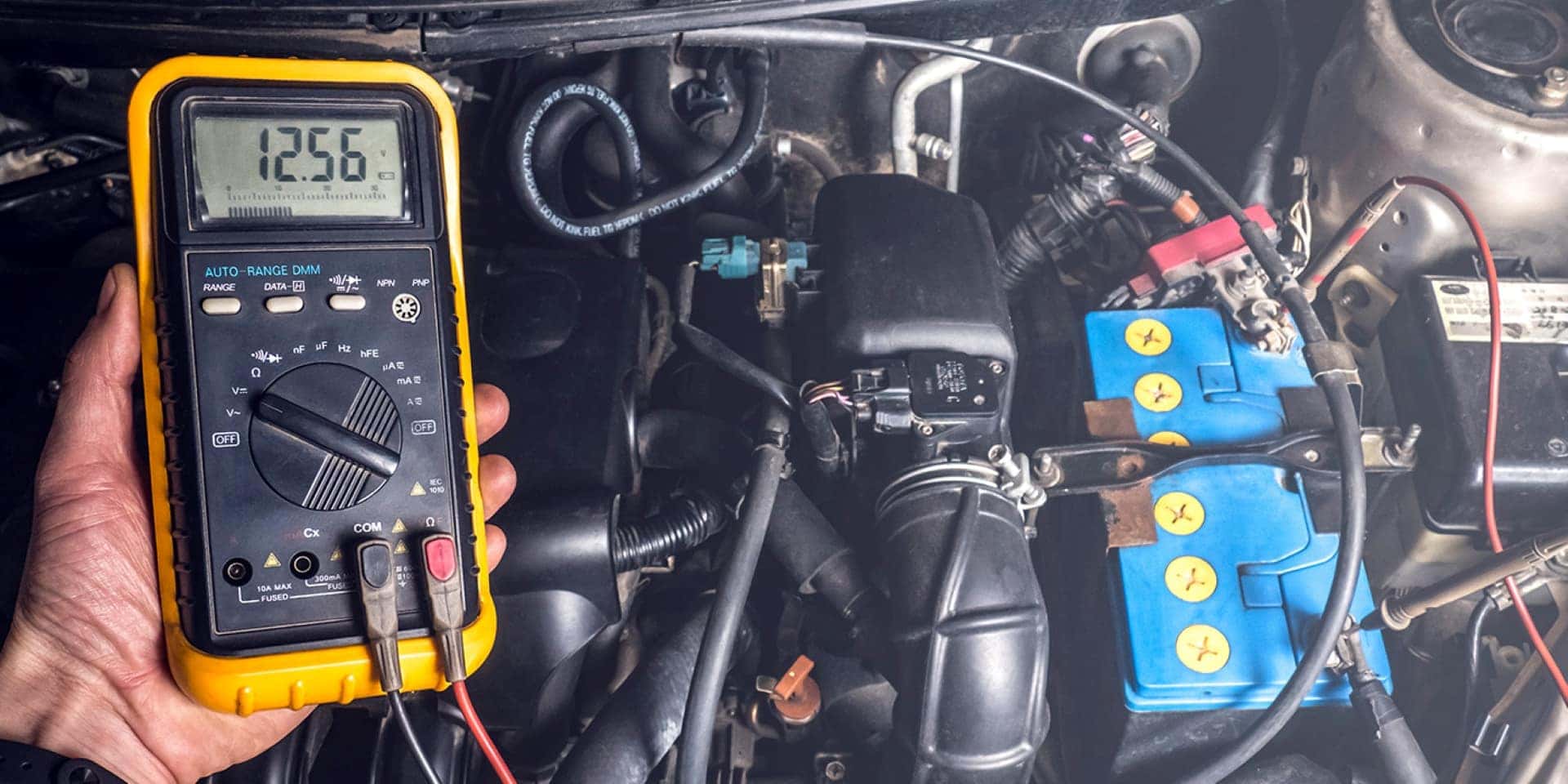
If you own a multimeter, a healthy battery typically shows around 12.6 volts when the engine is not running. If the reading is lower, consider testing or replacing the battery. To check if your battery is losing charge, fully charge it with a charger, then let it sit for one or two days before testing again. A significant voltage drop during this period indicates a problem.
Test your alternator by starting your car and using a multimeter across the battery terminals to check voltage. If it reads between 13 and 14.5 volts, your alternator is charging correctly. If the voltage drops below 13 volts or fluctuates significantly, the alternator is likely faulty and will need to be removed for bench testing. Additional tests can verify if the alternator supplies the proper amperage under load, and these can be performed by the Alderman Automotive Service Department.
0 comment(s) so far on How to Detect a Dying Battery