


How To Get The Most Miles Out of Your Tires
Tires are one of the most important things a car needs to move. Without tires, it can’t really go. More importantly, with bad tires, the car becomes dangerously unsafe to the point of being deadly, not just to you as the driver or the other occupants in the car, but to others driving on the roads around you. While tires are pricey, they are cheap insurance to safely get to and from your home.
1) Check Your Pressures
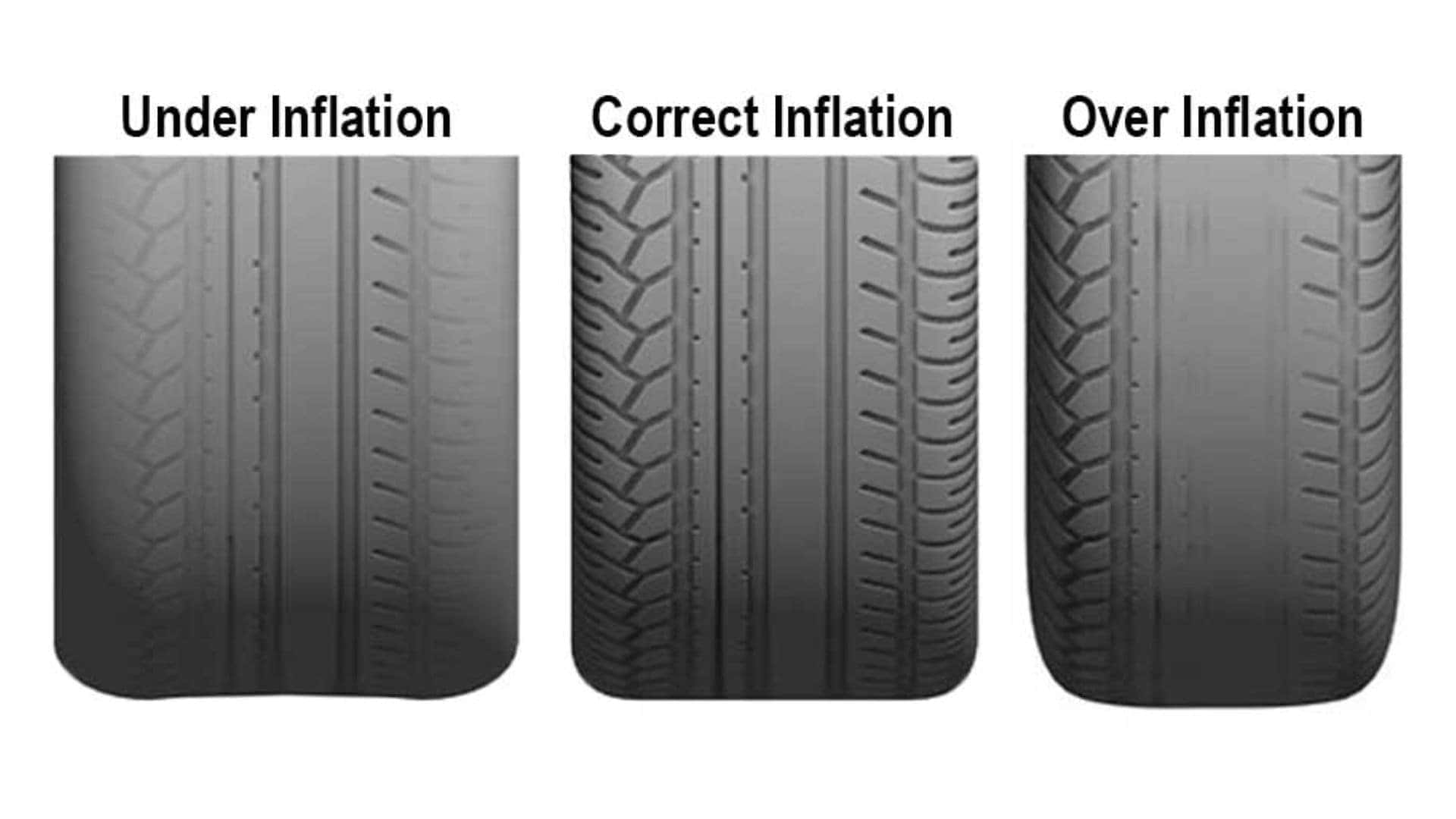
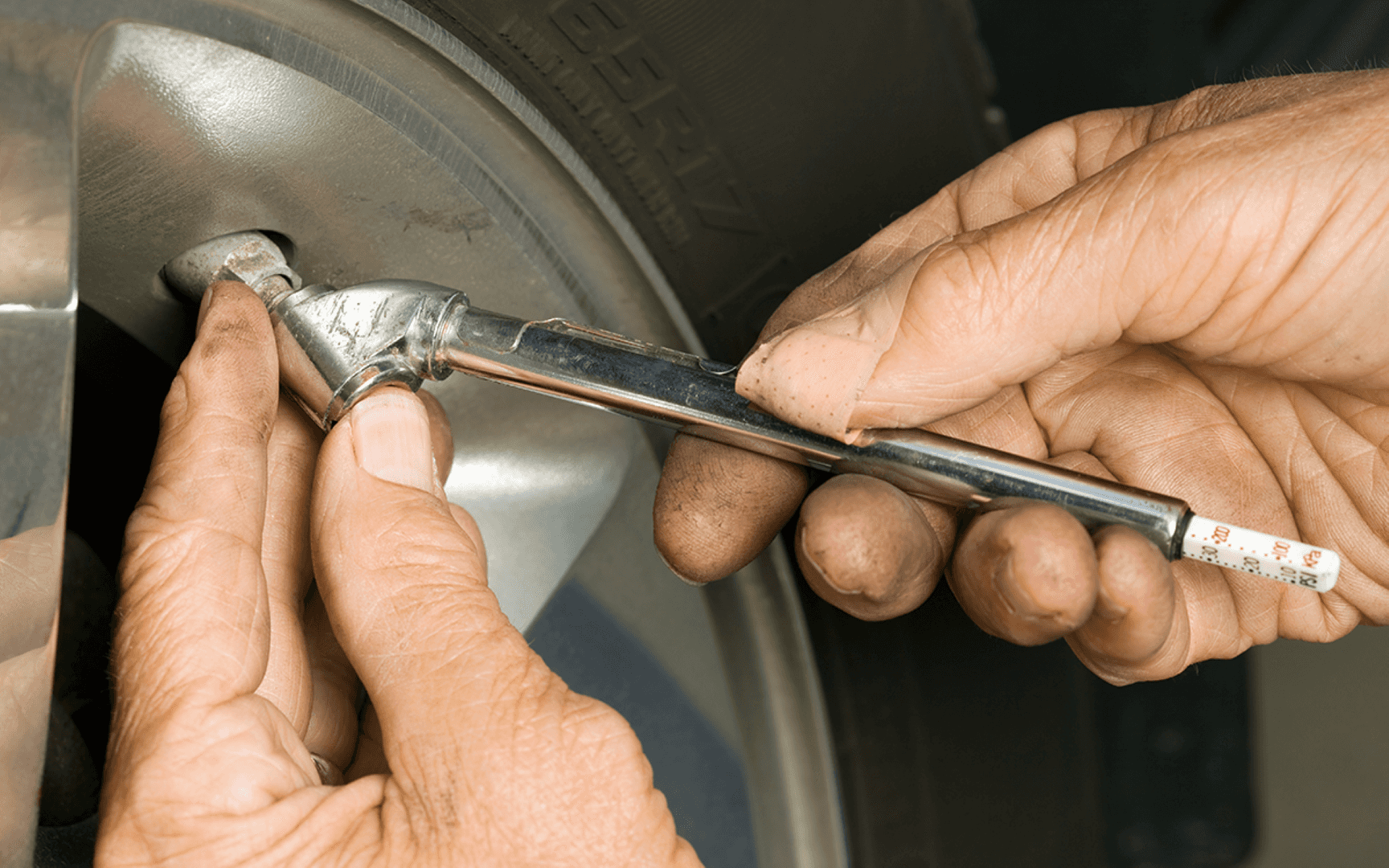
One of the first steps that you should always take to ensure proper tire wear and safety is to check your pressures once or twice a week with a pencil-type pressure gauge that you can buy from any auto parts store or even Walmart, Target, or a home improvement store, pretty much anywhere. It doesn’t have to be fancy, either. A simple pressure gauge that looks like the one your grandfather used to keep in his glove box will do just fine. They’re anywhere from $5 up to, maybe, $12.
Proper Inflation Aids Proper Wear
Checking your pressure once or twice a week is important because as the seasons change, your tires will naturally lose air when sitting cold. As they heat up, they will expand with a few more psi than they had. This is especially important when we get into the fall, winter, and spring months. You also want to know whether or not you have a slow leak. Properly inflated tires will wear evenly and last the longest. Tires that are underinflated over a period of time will wear unevenly and force you to replace one or more tires faster, thousands of miles before they would have needed to be replaced if they’d been properly inflated.
The driver’s door of your car will have a recommended PSI for your front and rear tires. That’s the best thing to follow for even wear.
2) Rotate Your Tires
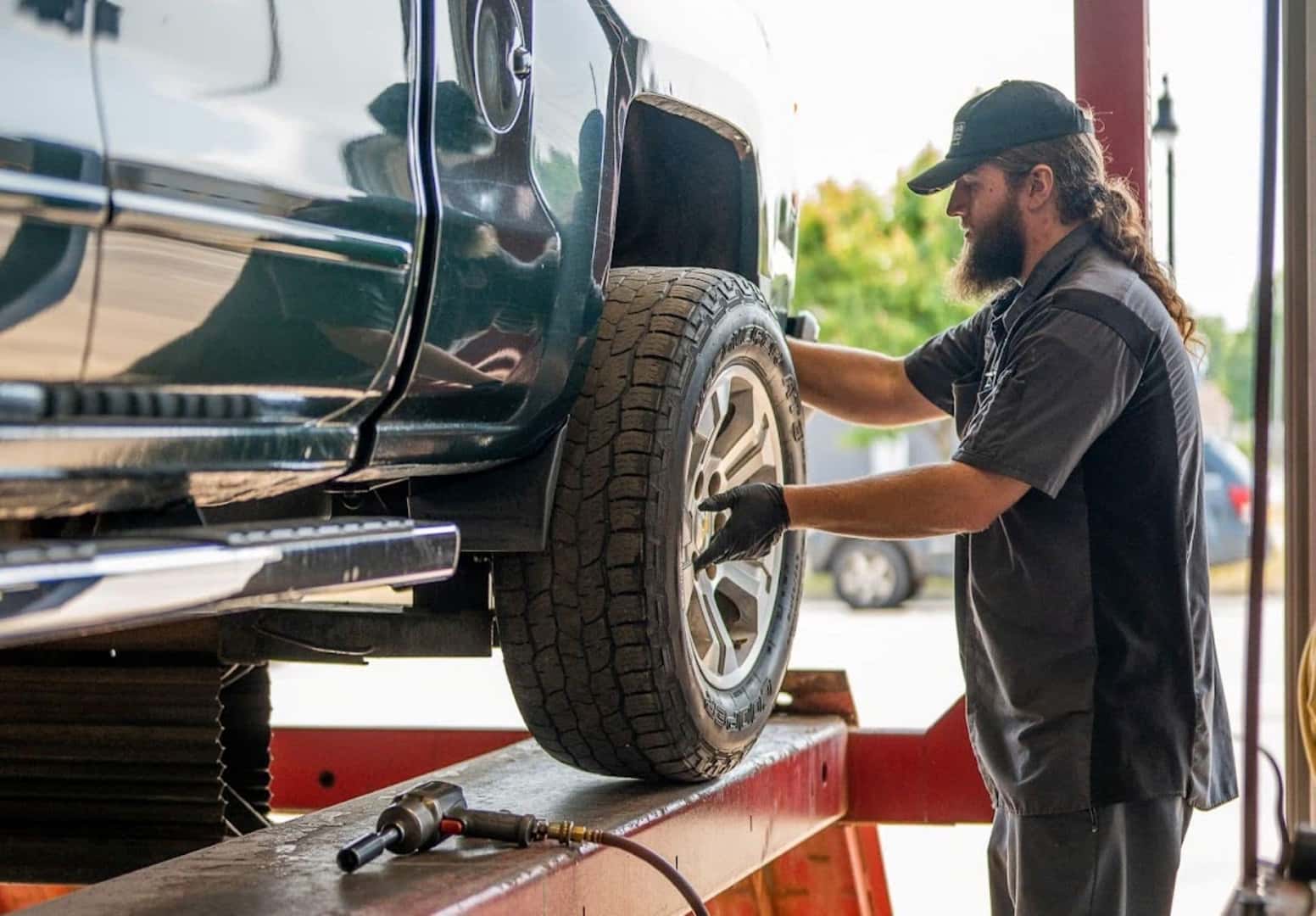
If you have a non-sports car, truck, minivan, crossover, or SUV that has same size tires front and rear, i.e. not staggered (staggered means your front tires are a different size than your rears), you should be rotating them roughly every time you get your oil changed, which will be anywhere from 5,000 miles up to 10,000 miles. This will keep your treadwear even and help you spot any uneven wear that you can correct in another tip.
3) Get An Alignment
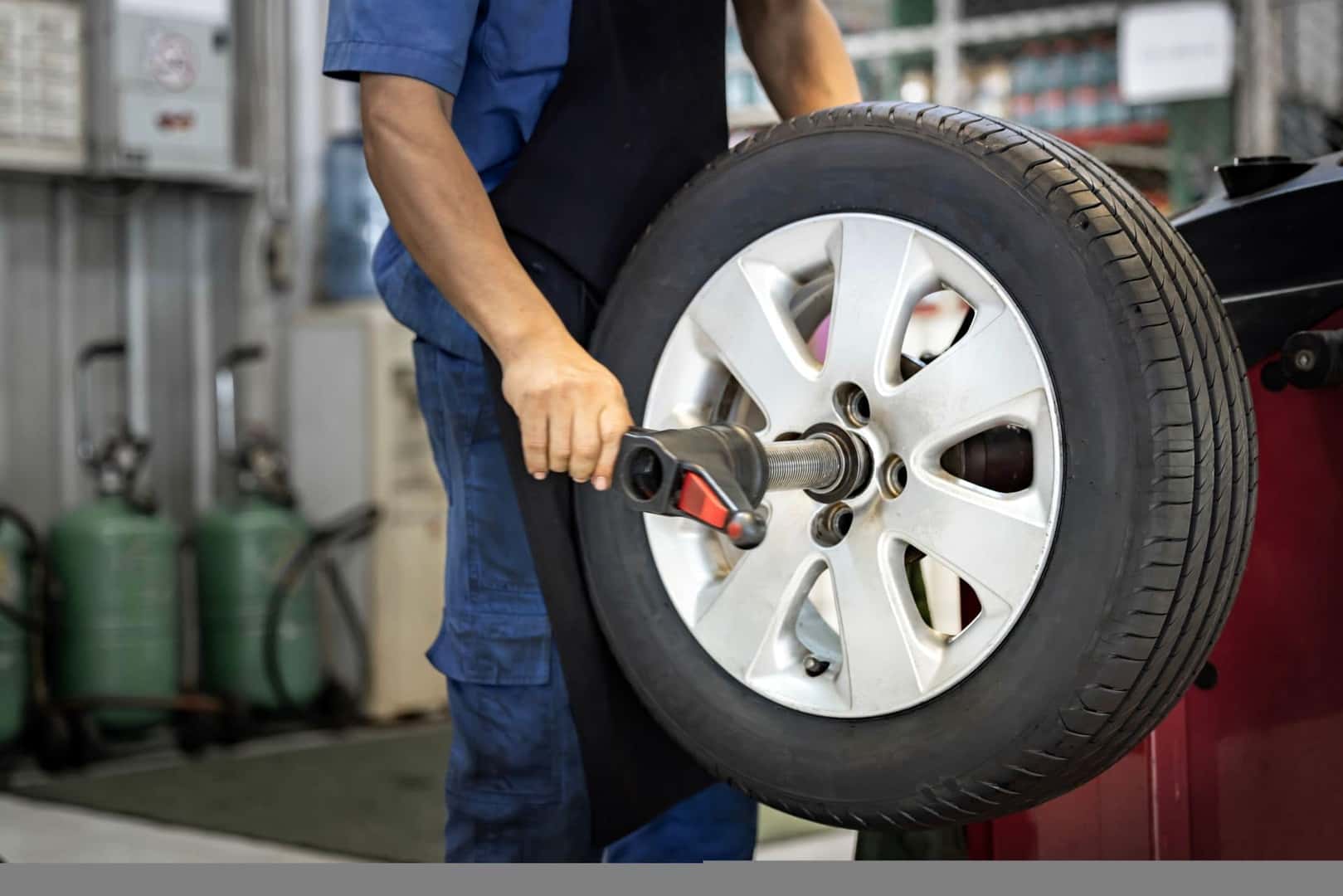
Your car should be aligned every time you buy a new set of tires and about every year, too. It’s a common misconception that you only need an alignment whenever you get a new set of tires. No, you regularly hit potholes, ride over railroad tracks, and just generally have your suspension and tires in a constant struggle while driving. Things drift and get out of whack; it’s completely normal. So, to keep things even in the tire wear department, find a good alignment shop near you and stick with them. If you hit your brakes hard and your steering wheel is shaking violently, that’s a very good sign that your car’s out of alignment.
4) A Good Balance is Worth It
Going along with your alignment, you should also have your tires balanced if you notice a vibration in your steering wheel while driving down the road. Sometimes it’s more present at highway speeds, while sometimes it becomes apparent at lower speeds.
5) Check Your Tread Depth
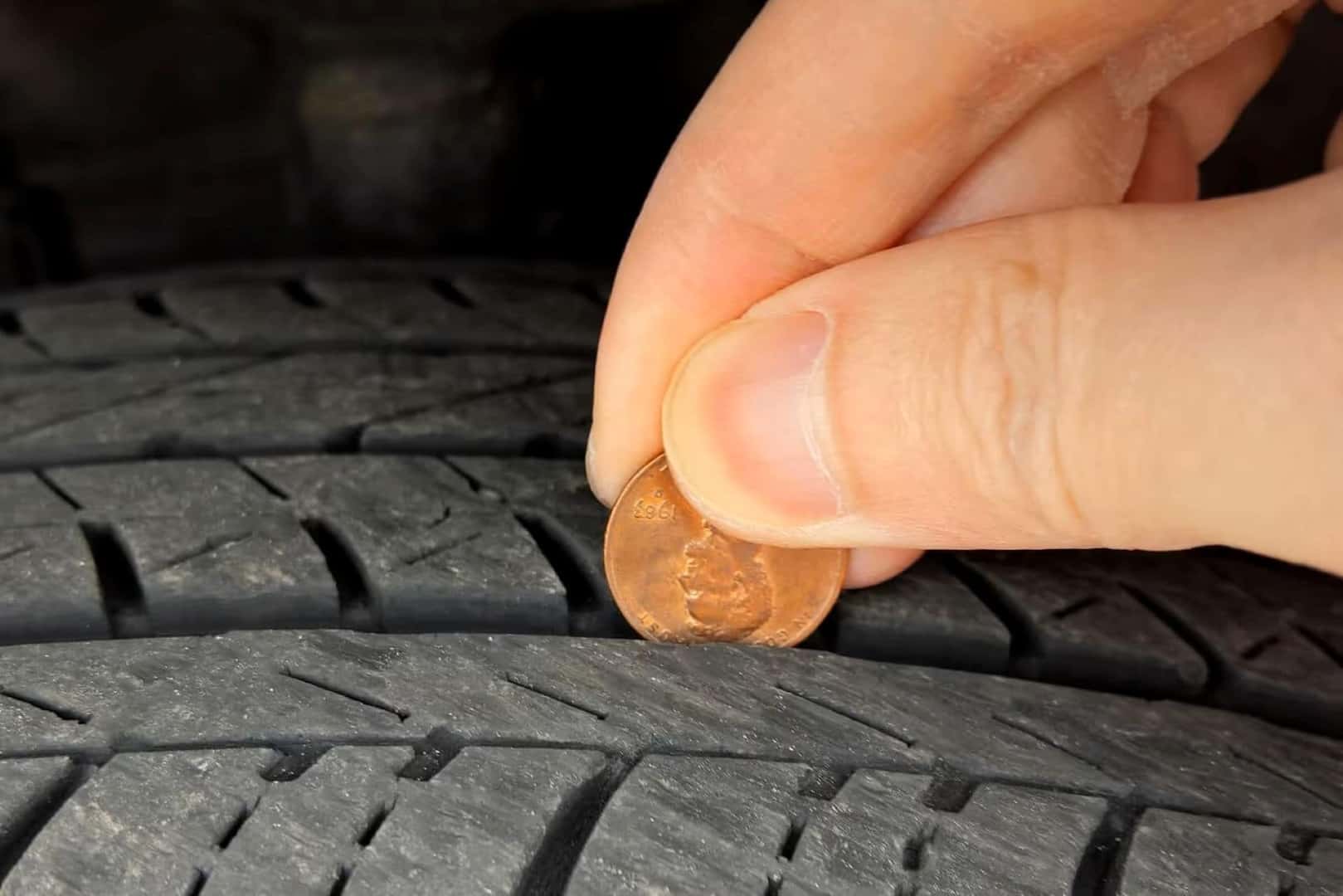
As the seasons change, you should check your tread depth to see how your tires are doing. You can use a penny, a quarter, or a tread gauge that you can get from the same place you bought your pressure gauge from in tip 1. If using a penny or quarter, put the President’s head upside down in your tread and see how much of his head you can see. If you can see his whole head, get yourself some new tires. A depth gauge will have markings showing the percentage of your tire you have left.
6) Use The Right Tires for The Season
Living in true multi-climate areas means that you should either have a really nice set of snow-rated all-season tires, or a separate set of winter and summer tires. When not using one set, you should store them properly in tire bags in your garage or house. Make sure they are not being hit by the sun or any weather. If you are driving in the summer on winter tires, or in the winter on summer tires, you are going to destroy them faster, and you will have much worse stopping distances than what the tires are rated for.
7) Get Rid of Old Tires
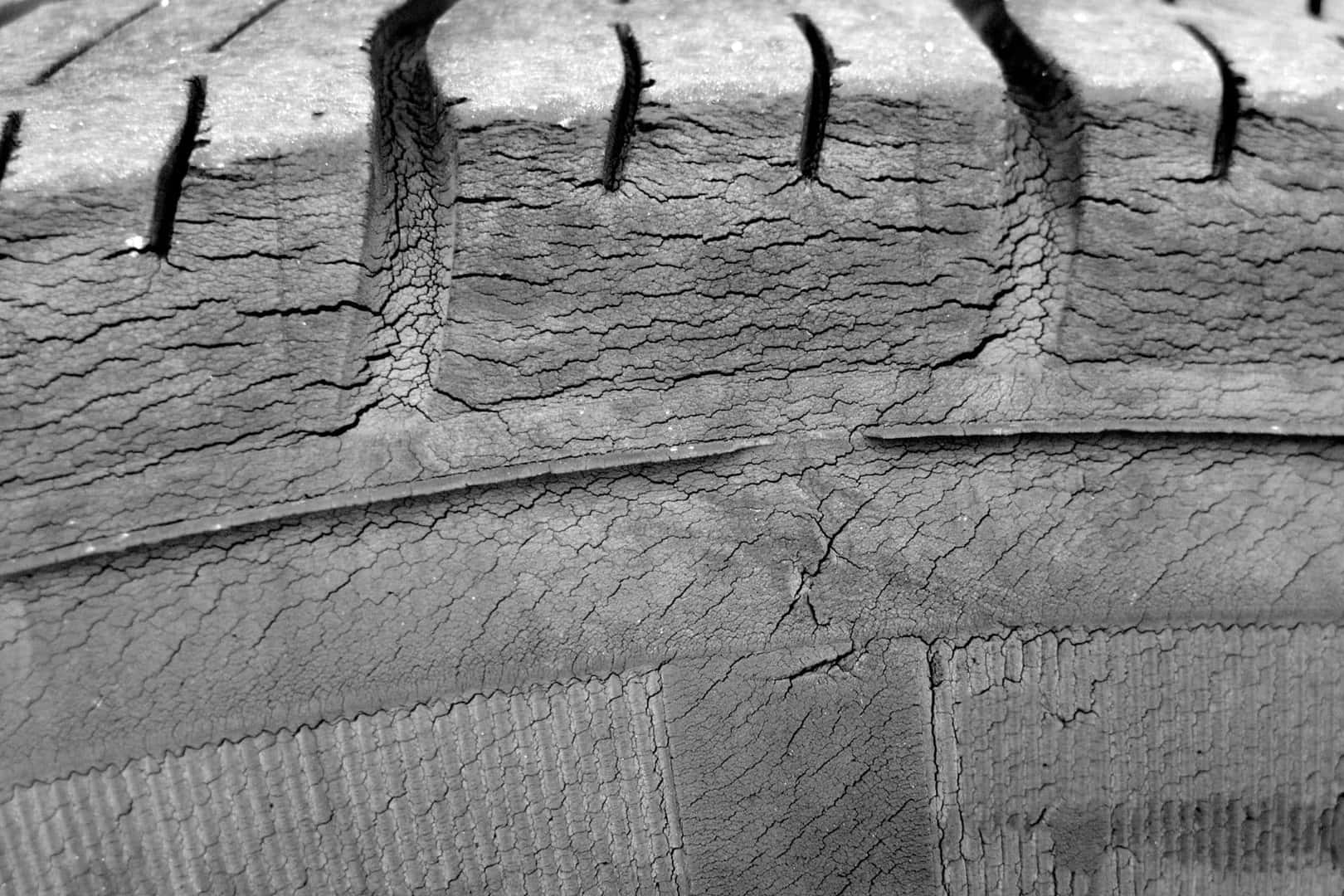
Last but not least, if your tires are old, get rid of them immediately. Don’t risk driving on bad rubber. The tread may look okay, but if you take the tire off the car, you’ll most likely find hairline cracks deep in the tread that can spell disaster. If a set of tires has been on a car longer than 5 years, inspect them or take them to a shop, like Alderman Automotive, and have them checked for safety reasons. If they’re up to 10 years old, then it’s over. Throw those bad boys away and get a new set.
Alderman Automotive Is Here to Help
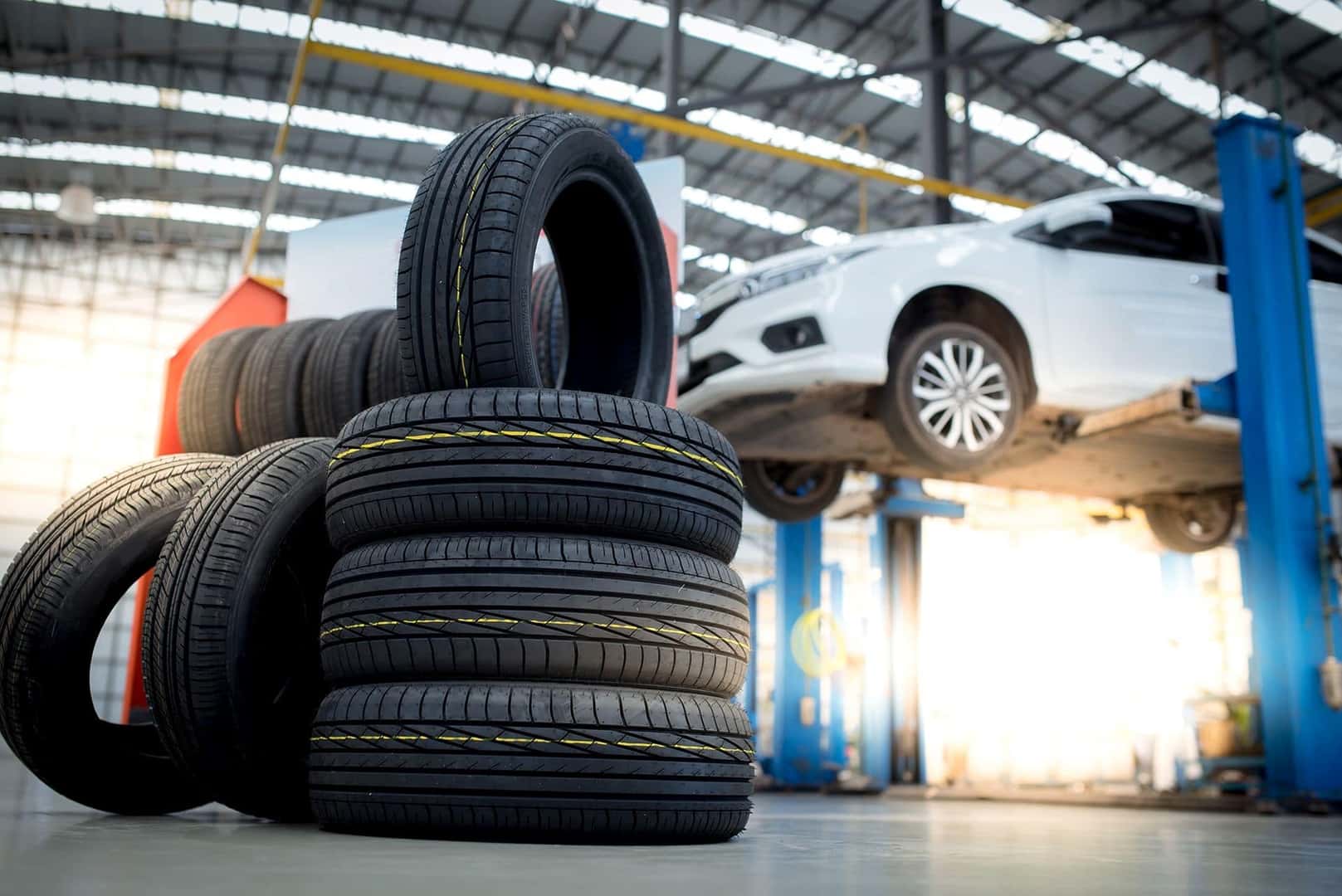
If you have questions about tires on your current car or a car you’d like to buy, contact Alderman Automotive. Not only do they have an outstanding inventory of all types of vehicles to fit your lifestyle and budget, but they also have a fantastic service department that can service your car. Any of the tire tips mentioned in this blog can be handled by their service department for you.
Why Choose Alderman Automotive
Alderman Automotive has all the best summer prices for trucks and SUVs, which are great for long-distance travel. At Alderman Automotive, we work tirelessly to give you the best possible price and service on every used car we sell, and our finance department will work within your monthly payment needs. Whether you are looking for a high-end luxury car or SUV, or if your budget is something under $15,000, we have a whole host of vehicles best suited for your wants and needs. Our state-of-the-art service department and helpful staff will ensure your vehicle is always in the best condition possible.
0 comment(s) so far on How To Get The Most Miles Out of Your Tires