


How to Make A Used Truck Last Longer
If you are a truck owner who may have thought about replacing your truck with a new one, chances are the new truck prices have given you pause. Perhaps you will try to keep your current truck a bit longer, or if that is not a viable option, get a used truck, which, of course, Alderman Automotive thinks is a great idea. But then you may be worried that a used truck could just be a stopgap, putting you back in the truck market just a few years later. Below are some reminders of how to make your used truck last longer.
There are no deep secrets here; much of this you likely already know. But maintenance is easy to put off or spend minimal time on. Here are a few reminders of what you should do to make your truck last as long as possible.
Keep Up with Fluid Levels
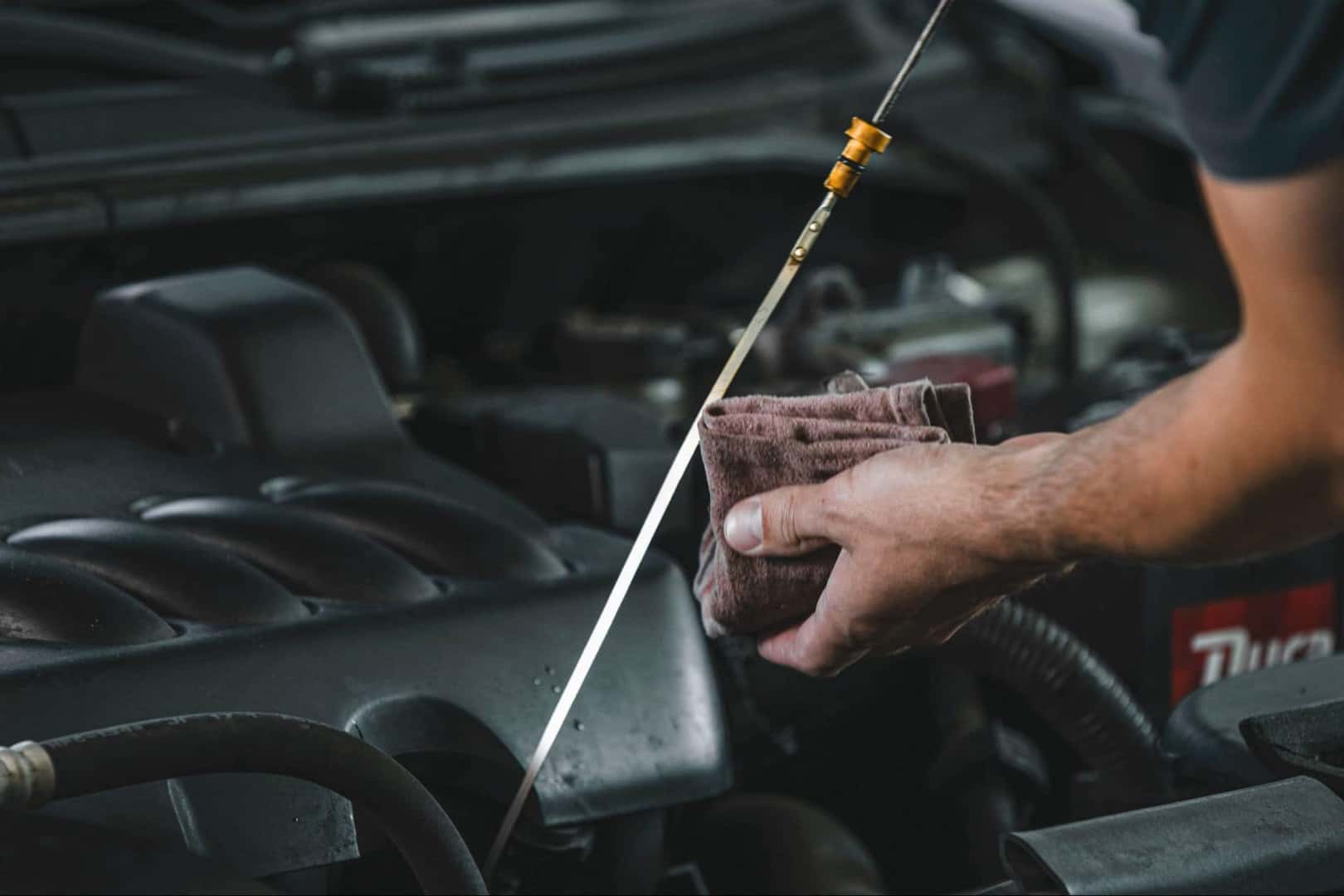
The most obvious vehicle fluid is your engine oil. It is also the most ephemeral, with the shortest lifespan, except perhaps for washer fluid during a dry spell. Most manufacturers, particularly those that sell trucks, make a point of keeping the oil dipstick easily accessible. A clean cloth or paper rag is all you need to make sure your oil is at the correct level, and it is a good thing to do perhaps every other or every third gas fill-up. The most immediate benefit of this is to keep your oil at the level necessary for it to properly lubricate, clean, and cool your engine’s operation. It is never a bad idea to keep a quart of oil on hand in the truck in case you need to top things off.
The second function of checking your oil is that if you find yourself adding oil frequently, it is likely a sign that something is wrong. You may be leaking oil or even burning it. Either way, it is good to know early and have it looked at to determine what is wrong.
Engine oil is the most obvious fluid to check, but not the only one. Your truck likely has fluids for the brakes, steering, and transmission, all of which should last longer than your oil but should still be monitored. Consult your owner’s manual for which fluids should be checked and at what mileage intervals. Also know what, if anything, to look for in the oil’s appearance. For instance, transmission fluid should be brightly colored. If it is noticeably dark, it is likely due for a change, even if its scheduled time has not yet been reached. All these fluids exist to protect their systems to some degree, and their age or low levels could cause premature wear on those systems.
Changing Your Fluids
Of course, it isn’t enough to keep you at the right level. Engine oil works the hardest and has to be changed more often. But transmission, steering, and brake fluids also need occasional changing, so they don’t become dirty or lose their ability to perform as intended. Again, your vehicle service schedule should be a good guide for when these things need to be replaced.
Checking Your Tires’ Inflation Level
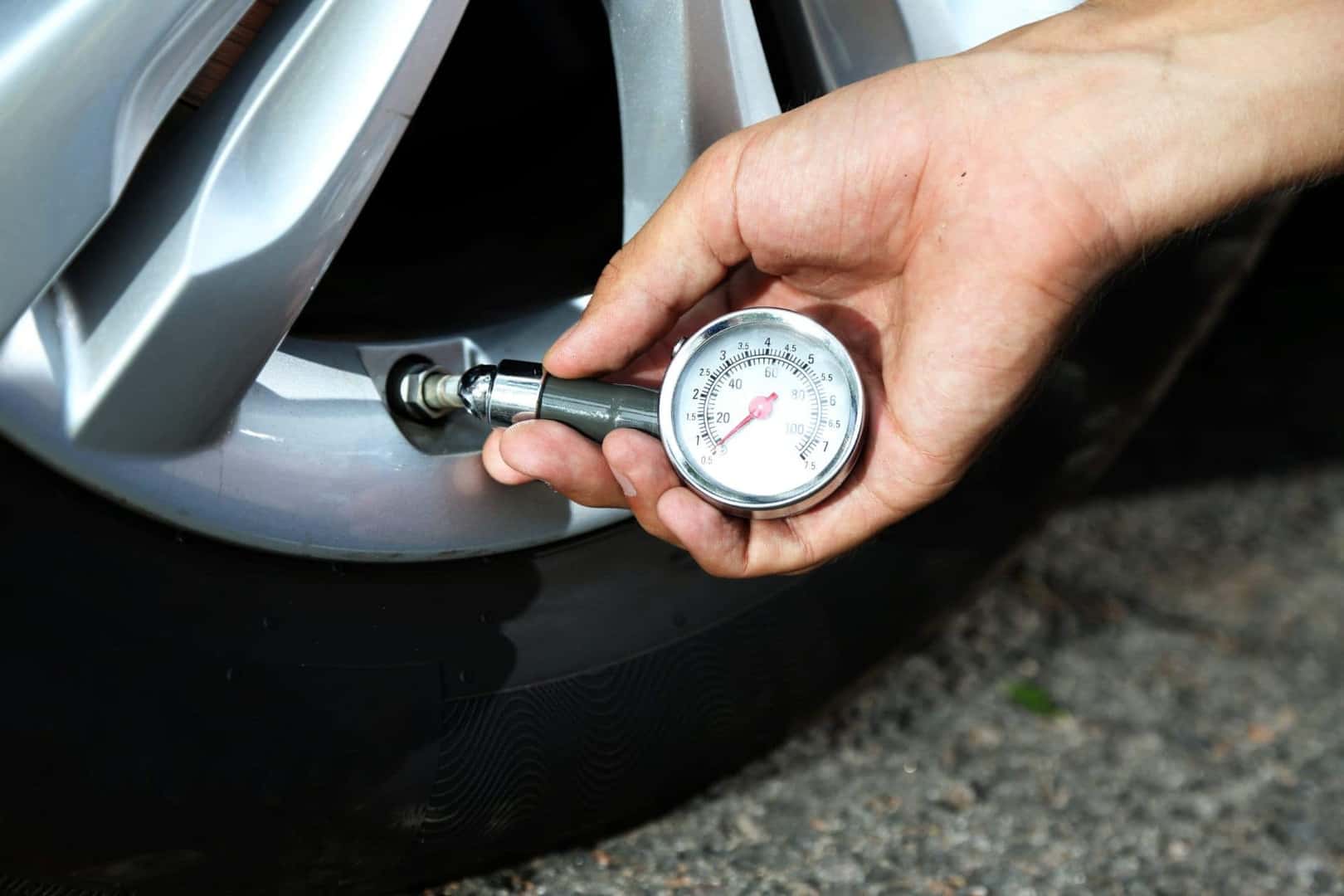
Unless something has gone very wrong, your tires are the only contact your truck has with the rest of the world, so it is important that they perform at their optimum level, which generally means proper pressure. Long ago, any bulge on the bottom of your tire indicated air loss, but radial tires are often designed with a slight bulge, so that shortcut to monitoring tire pressure is long gone.
Modern Tire Pressure Monitoring Systems (TPMS) can seem like another passive way to know your tires are OK, but many such systems don’t actually monitor your tire pressure. Instead, they monitor the rotational speed of all four tires. If one tire consistently rotates at a different speed from the others, it triggers the warning. This is useful for identifying when a single tire develops a slow leak.
However, changes in temperature and/or barometric pressure can affect all your tires equally, so no warning is sent even though all four tires are now at an incorrect inflation level. It remains a good idea to check your tires regularly, especially when the temperature has dropped or risen. The sticker on the driver’s door jamb will indicate the proper tire pressure for your vehicle. However, if the truck has had a change in wheel size, which changes the tire’s size and subsequent sidewall height, the door jamb sticker is probably no longer accurate, and you will want to check with a tire professional for the recommended pressures in that circumstance.
Battery Maintenance
Obviously, a dead battery can leave you stranded where you are, requiring a boost from jumper cables or a starter, if you are lucky enough to be at home and have one. Also, batteries last longer than they used to, but they die more abruptly, giving you less warning, though that does save wear on your starter.
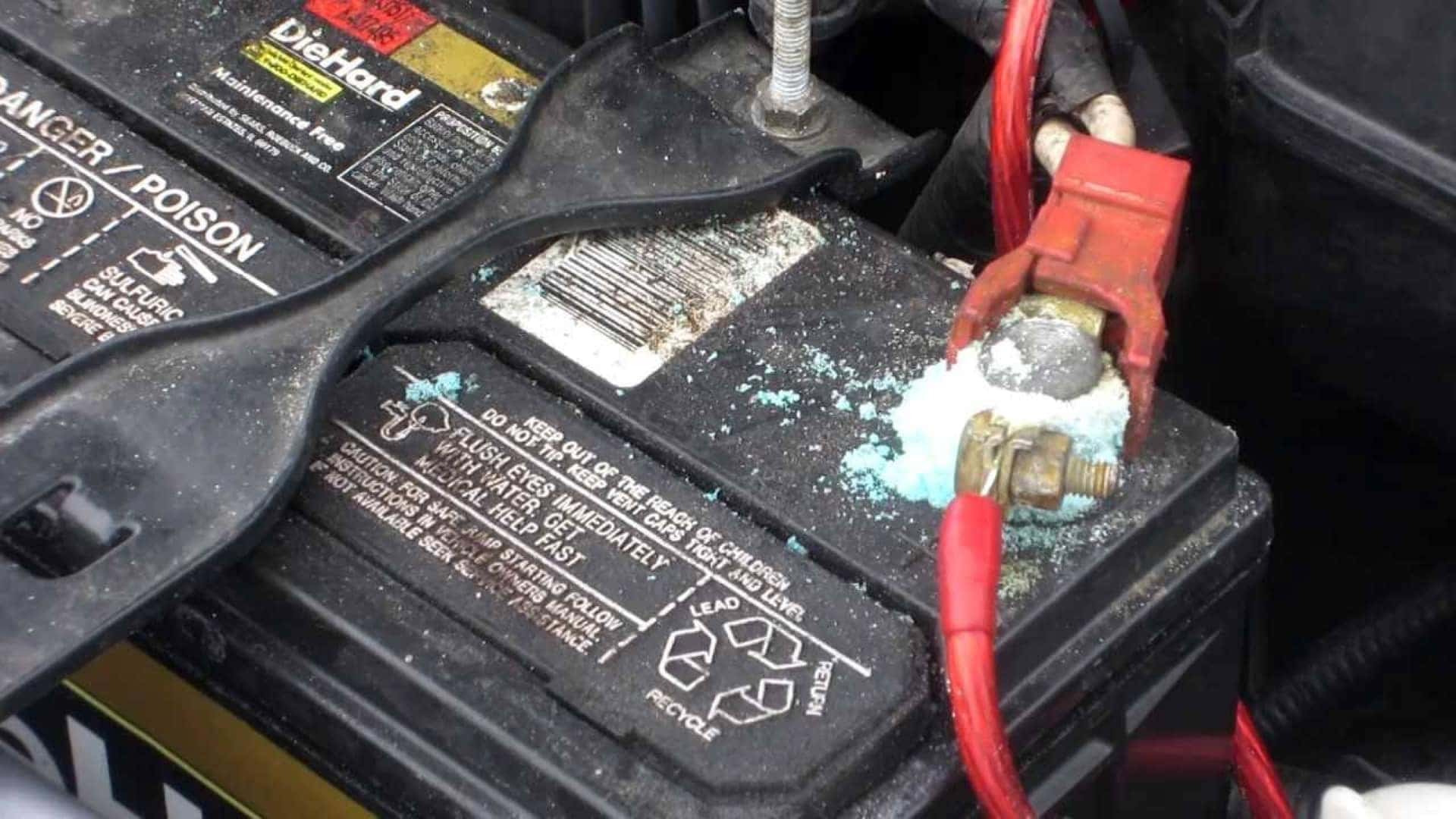
At the same time, you check your oil and give your battery a once-over. Check for an acid buildup around the terminals. If so, use a wire or stiff brush to clean it off. Also, check that the connections are tight and secure.
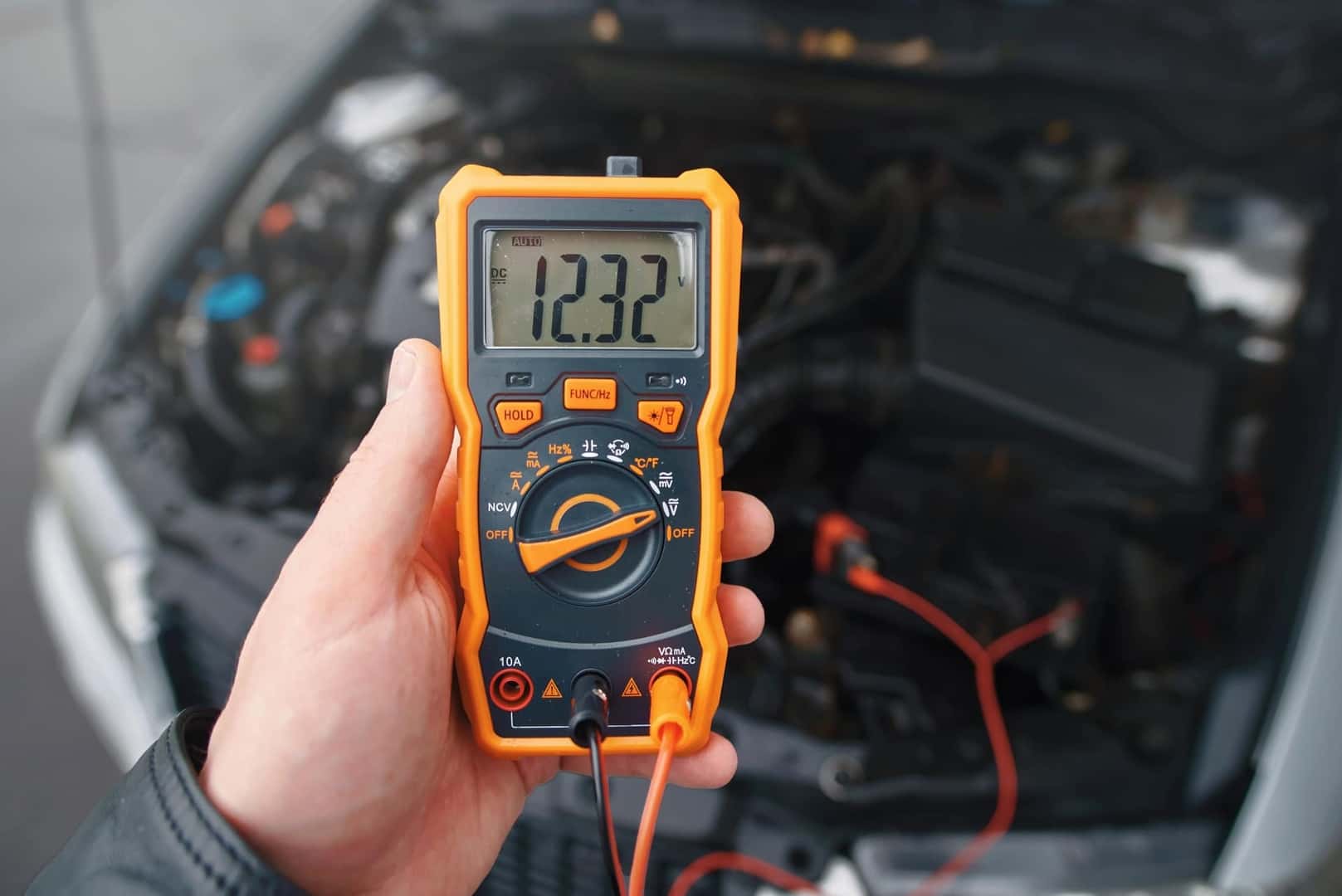
If your battery is a few years old, before a long trip, or after a seasonal drop in temperature, test its voltage with a voltmeter to monitor its condition. If you don’t feel comfortable cleaning the terminals or checking the voltage yourself, have a mechanic perform these relatively inexpensive tasks.
Routine Professional Inspections
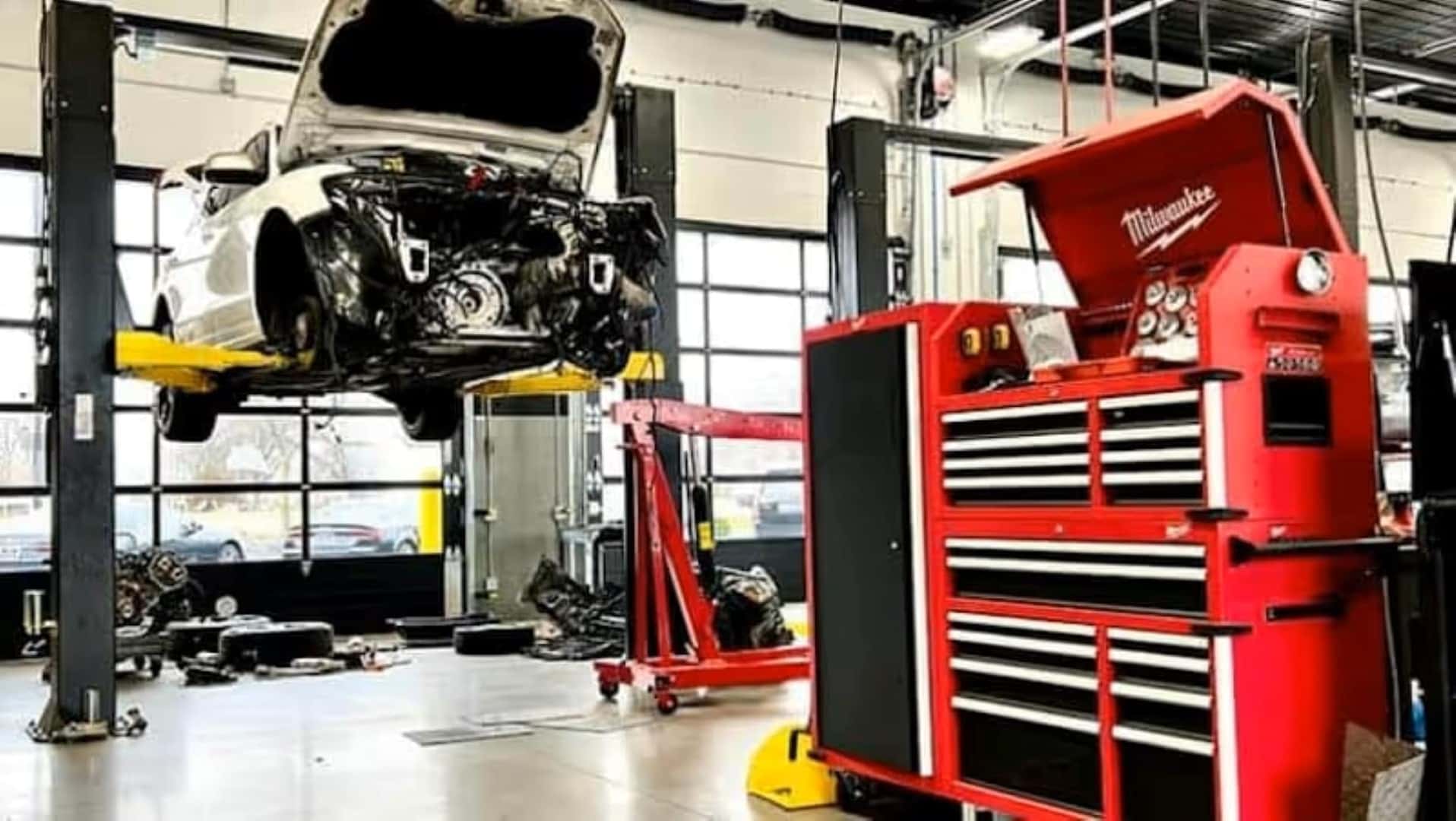
There are some areas of vehicle maintenance that can be difficult to perform yourself without the proper tools and an expert eye. So, based on your truck’s scheduled maintenance, have your vehicle checked professionally for items just as:
- Brake pad life and brake rotor condition
- Suspension lubrication and minor damage
- Level of wear on soft components such as belts and hoses
- Electrical system integrity, including lights
Give Yourself Reminders
Most of the other activities you can do yourself at little, if any cost. It just takes remembering to do it. Get familiar with the maintenance schedule in your truck’s owner’s manual and consider adding sticky notes or printed label reminders to your dashboard to remind you to perform specific tasks at specific mileage levels.
Doing all of the above can help keep your current or upcoming used truck running well for a long time, long enough, hopefully, that replacing it is a matter of choice, not a need. When that time comes, or when you need some professional help with maintenance, we encourage you to visit Alderman Automotive’s Sales and Service Departments. In fact, regularly check our service specials to see if a professional maintenance procedure is coming up that can save you money.
0 comment(s) so far on How to Make A Used Truck Last Longer