


Prepare Your Vehicles for the Winter
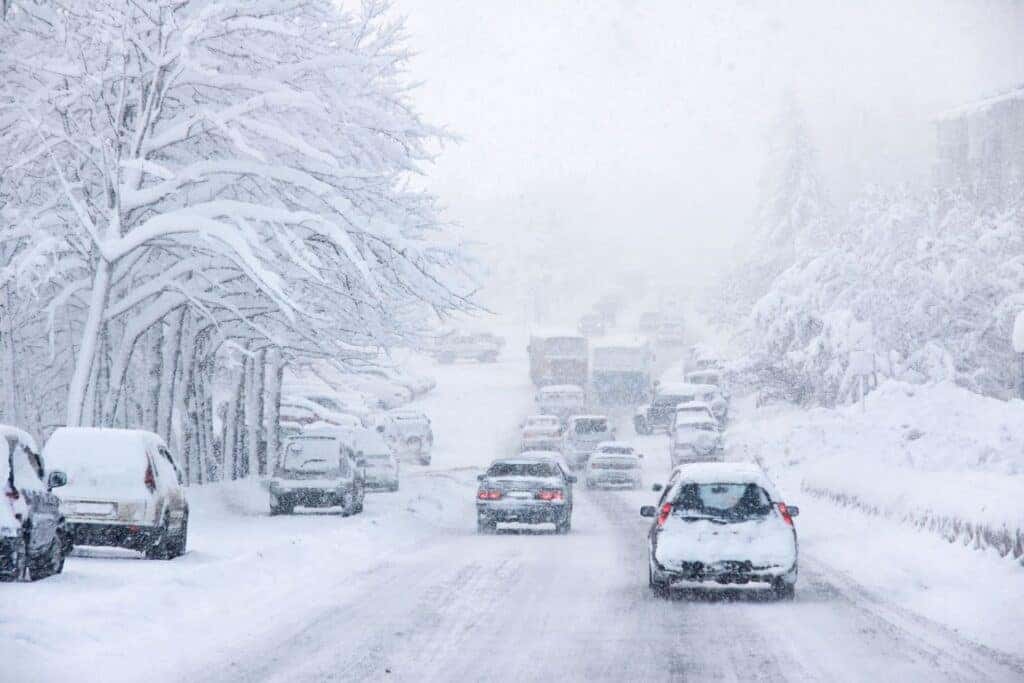
Autumn can mean different things to different people. For kids, it is the return to school; for others, it’s football. Many others celebrate the death of tree leaves because they get so pretty as they go. Halloween and Thanksgiving can also figure prominently. But for everyone in Indiana and the Midwest as a whole, it also means something unavoidable: Winter is coming. As a motorist, that should lead to a list of things to check on your car to ensure you are as prepared as possible. Alderman Automotive has this checklist:
Heater and Defroster
We probably aren’t going out on a limb to say that as the temperature approaches the 30s, you certainly want your heater to work. A car heater is pretty reliable, but you will want to check its operation before you need it. It may seem counterintuitive, but your air conditioner also needs to be in good working condition, as it will be employed to clear your windshield of condensation. If your air conditioning has been waning since the summer, have it looked at before the winter.

Check Your Car Battery
This is the most temperature-sensitive item in your vehicle. When the temperature drops, the chemical reactions inside your battery needed to create Direct Current transpire more slowly, causing your engine to require more from your battery to get started. If your battery is several years old and possibly not as strong as it could be, temperatures in the 30s or lower could mark its end, and that, of course, is the worst time for it to happen. Alderman Automotive’s Service Department can give your battery a load test to check its condition. They will also look for cracked or corroded battery cables and terminals.
Replace Windshield Wipers and Fluid
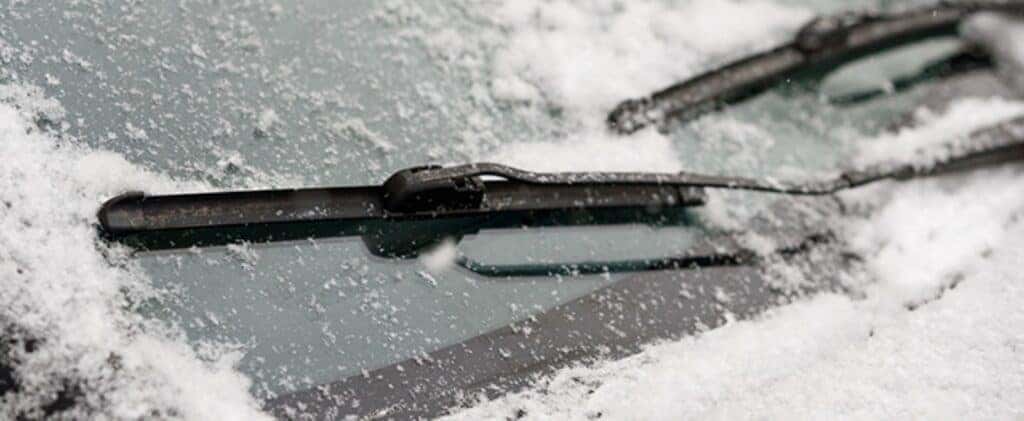
Colder temperatures make any pliable material harder, which can make your wipers less effective. Unless you have recently replaced your wipers, Autumn is a good time to do so. You also want to make sure you have freeze-resistant wiper fluid to effectively remove the light frost on your windshield in the morning. Finally, this is a good time to locate your ice scraper and have it handy.
Check Your Tire Pressure
The pressure in your tires will drop approximately 1 psi per 10 degrees. That means a possible five-or-more psi drop from an Indian Summer to the first big cold front. Many tire pressure monitoring systems (TPMS) will trigger a warning if one tire drops about 4 psi from the others, but a climate drop will impact all four tires more or less evenly, so the TPMS may not notice. Check your tire pressure about once a month against the recommended pressure. This is not the figure on the tire, but on the driver’s door jam, which will give the recommended figures for your specific model.
Swap for Winter Tires—Or at Least Give Them an Inspection
The drop in temperature also hardens the rubber on your tires, reducing traction. This is the primary reason to switch to winter tires, which are designed to stay pliable in cold temperatures. Of course, they also have tread designs optimized for snow. This is important even for all-wheel-drive and four-wheel-drive vehicles.
If you don’t swap for winter tires, examining them for tread life, uneven wear, and cupping is highly recommended. Also, check the sidewalls for cuts and nicks because these could get worse as the tire compound hardens. This would be a good time to rotate your tires if that hasn’t been done recently.
Change Your Oil
Cold weather thickens motor oil, which reduces its ability to circulate through the engine. Older oil will also thicken more quickly, so be sure you have fresh oil to keep your car running smoothly. Your owner’s manual should have a chart showing the recommended oil weight based on the expected exterior temperature for the Winter months.
Inspect Belts and Hoses
As mentioned, colder temperatures make any pliable thing more rigid, so things that need to be flexible, such as belts and hoses, should be checked. In the event of cracks or damage, replace immediately. Deficiencies will get worse in the cold, which could hamper your vehicle’s operation.
Keep An Emergency Kit in Your Car
An emergency kit is a good thing to have in your car all year, with items such as flares, work gloves, a first-aid kit, a flashlight (separate from your smartphone, the charge of which you want to preserve in an emergency), and tools if you are handy. If you plan on holiday travel or other long trips, consider adding a shovel and kitty litter or sand for traction if you get stuck. Also, for long trips, bring blankets, water, and emergency food in case you are stuck in the cold.
Highways will be more treacherous, particularly with Winter storms that can bring slicker road conditions and reduced visibility. Remember, it may not be your car that has you stuck, but an incident a few miles ahead on the interstate can get you stuck for hours. So be prepared.
We Can Help
You can do most of these things yourself, but for things that require special equipment, such as the battery check and tire rotation, or anything else you would like left to the professionals, bring your car to the Alderman Automotive Service Center, which can handle these tasks quickly and affordably.
0 comment(s) so far on Prepare Your Vehicles for the Winter