


Pros and Cons of a Black Exterior
As he recounted in his autobiography, it was during a sales meeting in 1909 that Henry Ford said, “Any color the customer wants, as long as it’s black,” about his plans for the assembly line-built Model T. Indeed, as his famous assembly line started up, Model Ts were only in black from 1914 until one hundred years ago, in 1926, when green, maroon, and gray were added. The fenders remained black because there was no point in getting carried away with the idea.
Black has been a popular vehicle color for well over a century, even when customers had a choice. Alderman Automotive gives you a quick rundown on the pros and cons of a black vehicle.
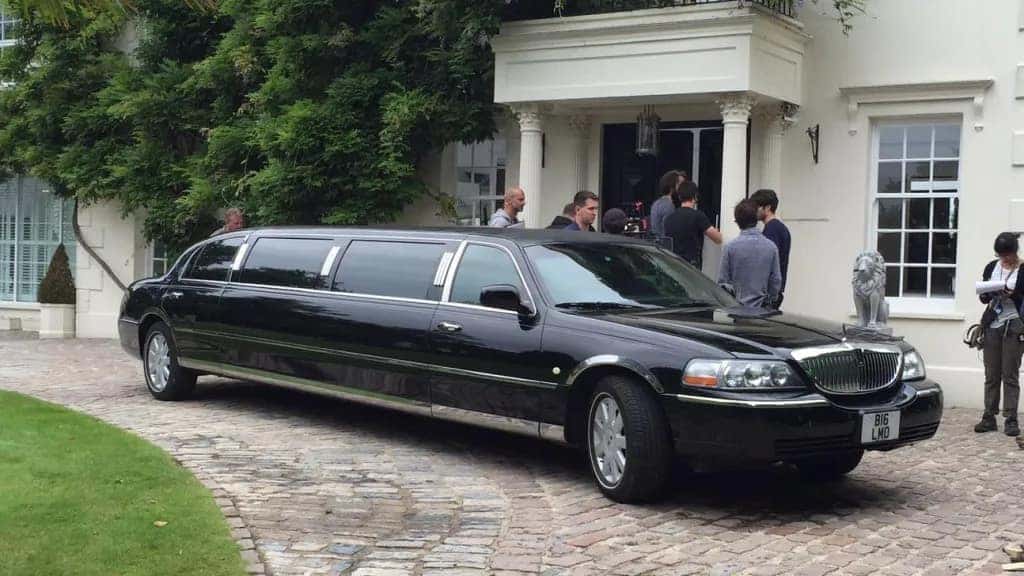
As one moves up a model line hierarchy, the models inevitably move in two directions: luxury and high performance, sometimes offering more of both. Trucks and SUVs arguably add a derivative of high performance in off-road capability. So, it is interesting that, despite its humble beginnings, black has come to be associated most closely with two types of vehicles. Black can be associated with luxury. This is epitomized by the impression of a black limousine. And while they came in other colors, the largest sedans of classic Lincolns, Cadillacs, Imperials, Mercedes-Benz, and even Rolls-Royce models all seem to be most at home in a shiny ebony.
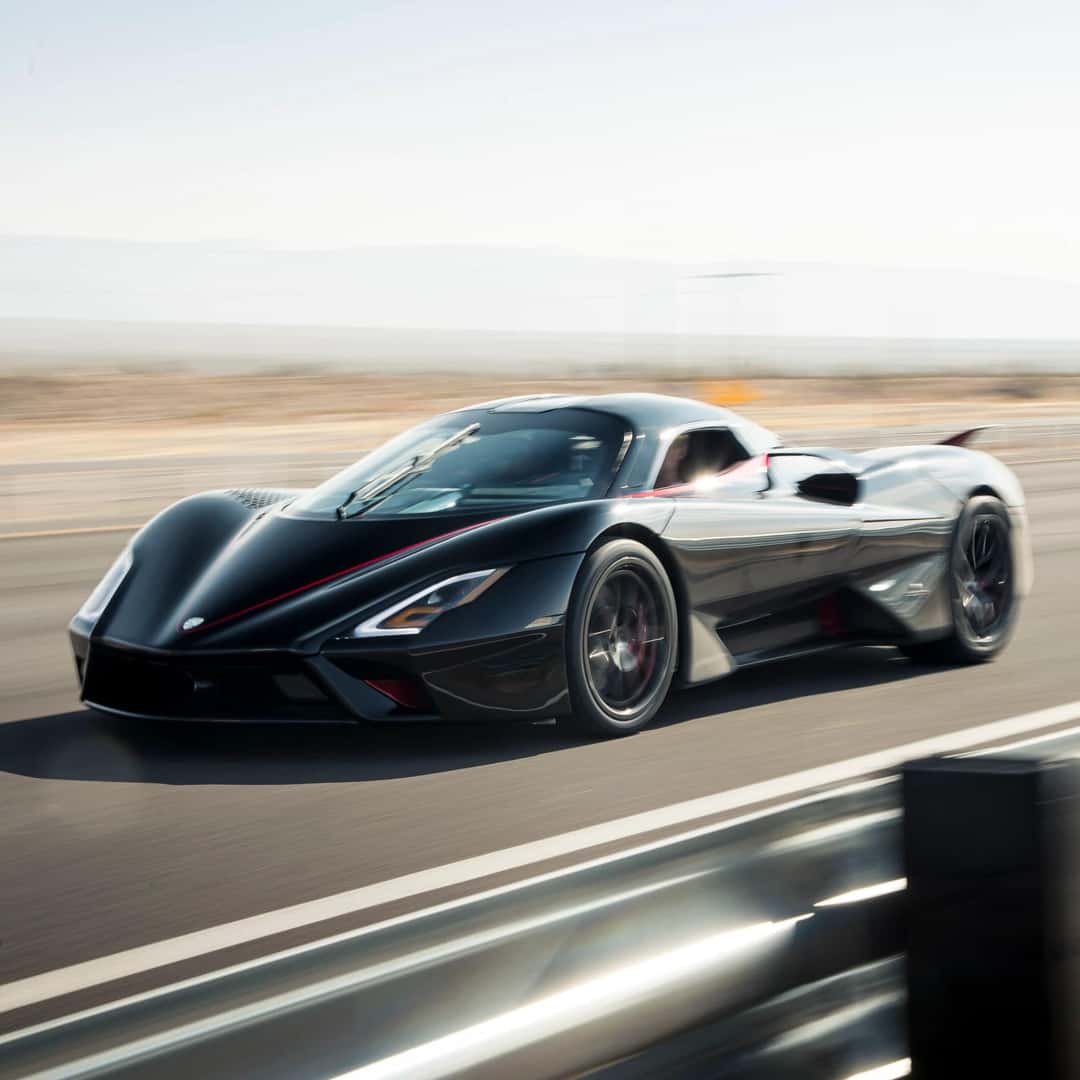
At the same time, there is black’s association with menace, think black magic, the fear that comes with night, and even the scariest of spiders. This has made it a popular color for high-performance vehicles, giving them a predatory look on the highway. Thus, black is a theme not just on sports cars but also on sports versions of more conventional cars and SUVs. Many of them even have specific black edition packages or trim levels.
There are pros and cons to black as a vehicle color, and since we want to end on a high note, we will start with the cons first.
Negatives of Black Vehicles
Dirt Visibility
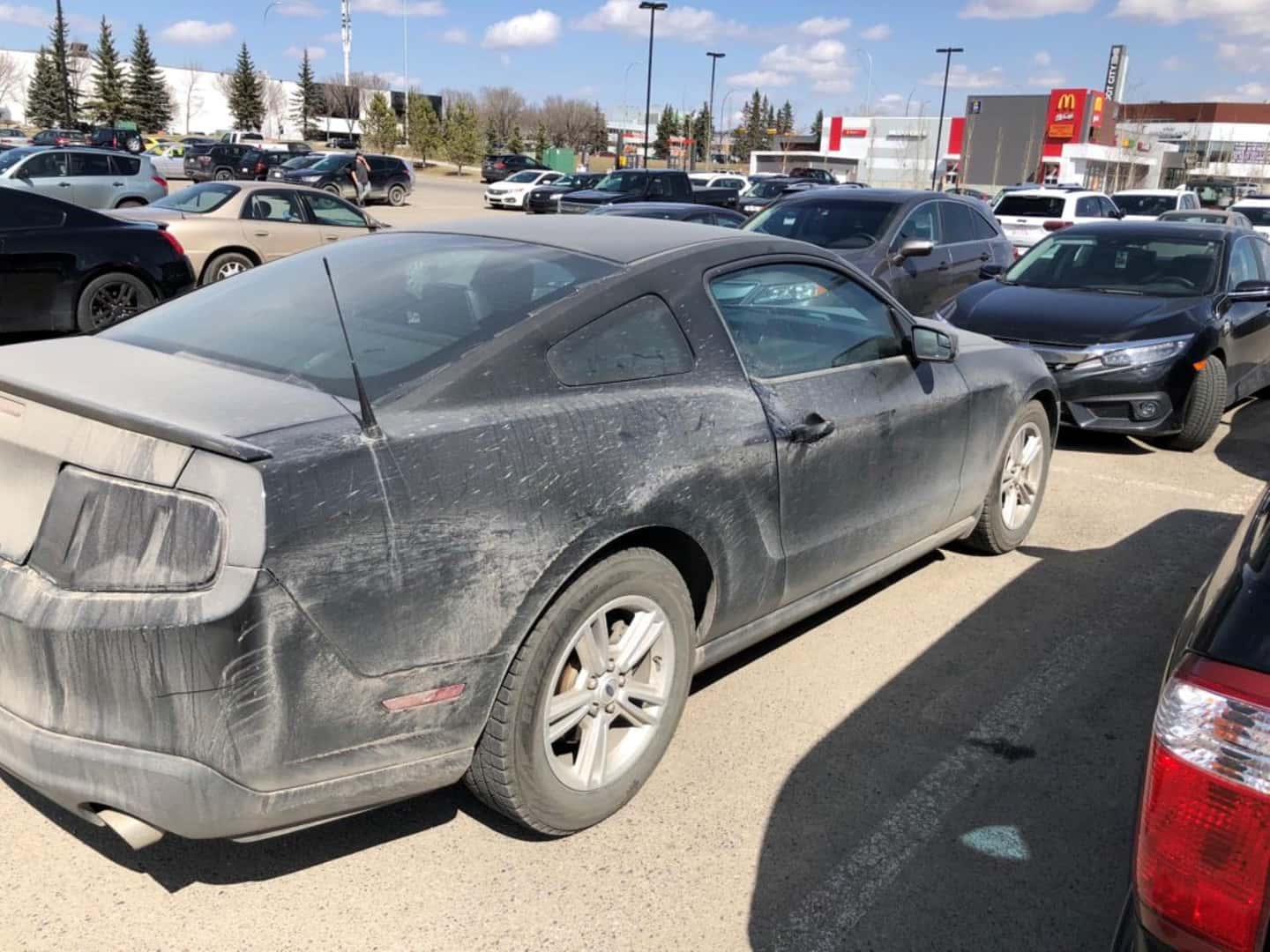
It seems counterintuitive. Black is dark, and dirt is dark, so it should blend in. But most dirt is not nearly as dark as black and becomes very visible against a black surface. On colored surfaces, dirt can darken the color, but it just contrasts with black.
Scratches and Scuff Visibility
These can also contrast strongly, making them more visible against a black surface, so you may need to buff or touch up areas that might be less noticeable on other colors.
Heat Retention
Black absorbs more heat than any other color, causing the cabin to heat up faster than in an identical model of a different color. This makes it more difficult to enter a black vehicle parked outside on a sunny day and even makes the AC work harder to keep it comfortable on a hot day.
Reduced Resale Value
For the three reasons above, particularly the high visibility of scratches and other wear on the paint, black vehicles can have a lower resale value, depending on the model.
Positives of Black Vehicles
Boy, Are They Shiny
It’s hard to get shinier than gloss black. It can really bring out a vehicle’s curves, creases, and character lines. You will spend a lot of time waxing and polishing, but a gloss black exterior will really show every choice the designers made in the sheet metal.
Homogenize the Exterior Appearance
If you like a certain model but perhaps don’t like some of the manufacturer’s trim decisions. Perhaps a crossover’s fender cladding is too large. Or you don’t like certain small (and often fake) front, side, or rear vents. Black helps these details blend in with the overall appearance.
We know that buying used makes it harder to get a color you want. Age, condition, and mileage are great concerns for used cars that are absent for new ones. And they will likely take priority over color. That is just as true for the vehicle in Alderman Automotive’s inventory as anywhere else. We just wanted you to have both the pros and cons of black vehicles in mind when considering your next car purchase. It’s also why you can filter our inventory selection for colors you want.
0 comment(s) so far on Pros and Cons of a Black Exterior