


Rear- Versus Front- Versus All- Versus Four-Wheel Drive

At Alderman Automotive you will find rear-, front-, all-, and four-wheel-drive vehicles. They all serve the same basic purpose of getting you from one place to another, so what is the difference between them, and which is best for you?
For about 80 years, most cars and trucks had engines in the front and drive wheels in the rear. It was the 1901 Mercedes-Benz Number 5 that essentially established this configuration, which others followed. It came to be out of pure practicality. The company’s earliest models placed the engine under the seats, but putting it out front made the mechanical connections between driver and engine more direct, while allowing room for larger engines and lower chassis and seat heights. It was much easier to send the power to the rear wheels than deal with the complexity of front-wheel drive. For the following 80 years, the vast majority of cars and trucks had this configuration.
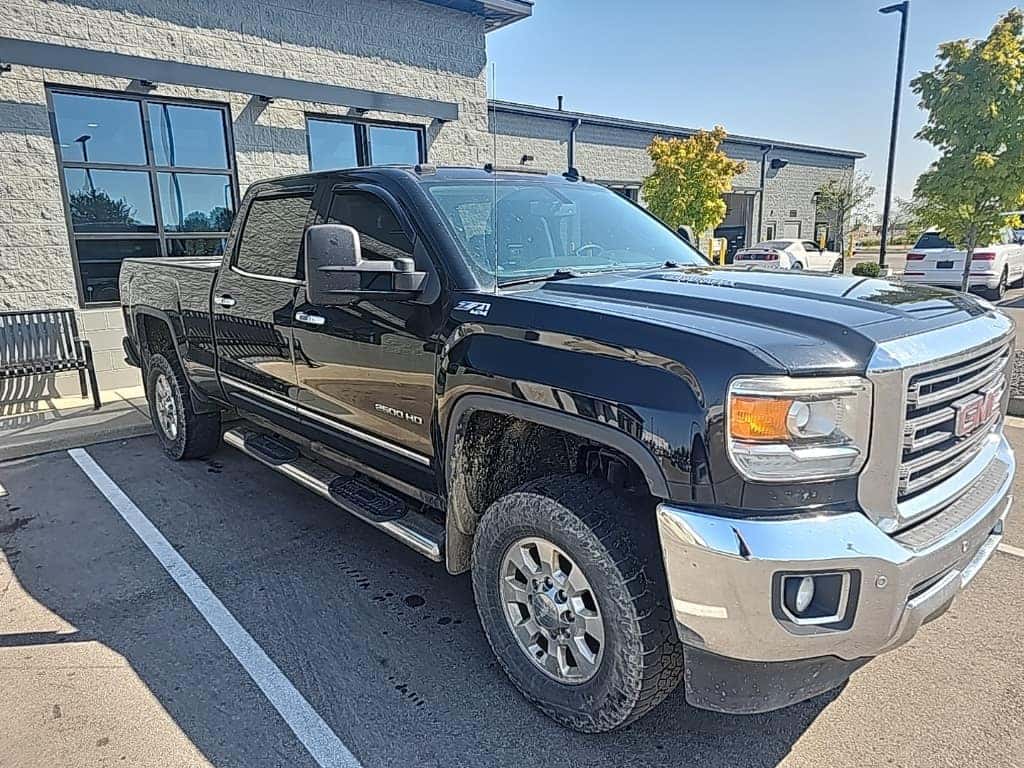 Four-Wheel Drive
Four-wheel-drive (4WD) vehicles date back to the same period, with the first patent going to a steam-powered vehicle in 1893. In 1899, Ferdinand Porsche designed a 4WD electric vehicle with a motor between both front and rear axles that was actually a series hybrid with an engine generating electricity (for the electric motors to drive all four wheels). Most AWD EVs use this configuration of a front and rear electric motor for AWD today.
It was the military that spurred 4WD vehicles into mass production, since four-wheel drive enabled vehicles to traverse unpaved terrain much more effectively. 4WD models were used by both sides in WWI. The second World War brought many 4WD trucks to the European theatre for the same reason. The Dodge Power Wagon was used in a variety of configurations, but the most ubiquitous model of the era was the Willys General Purpose CJ-2A, which was called “Jeep” for short.
After the war, 4WD vehicles continued to be popular for anyone who frequently drove off the pavement such as on farms, construction sites, or rural trails. By and large, the vehicles would run as rear-wheel drive on pavement, as the different rotational speeds upon turning with tires gripping the pavement would cause drive bind-up in the system. Once off road, 4WD would be engaged, often by turning a lock on the front hubs, and all four wheels would move in lock-step with the slippage of the unpaved surface accounting for different rotational speeds when turning.
The systems are more complex now, with shifting between RWD and 4WD done in the cabin, and 4WD remains the best system for navigating rough off-road locations. Having all four wheels turning in unison can get vehicles through very challenging terrain.
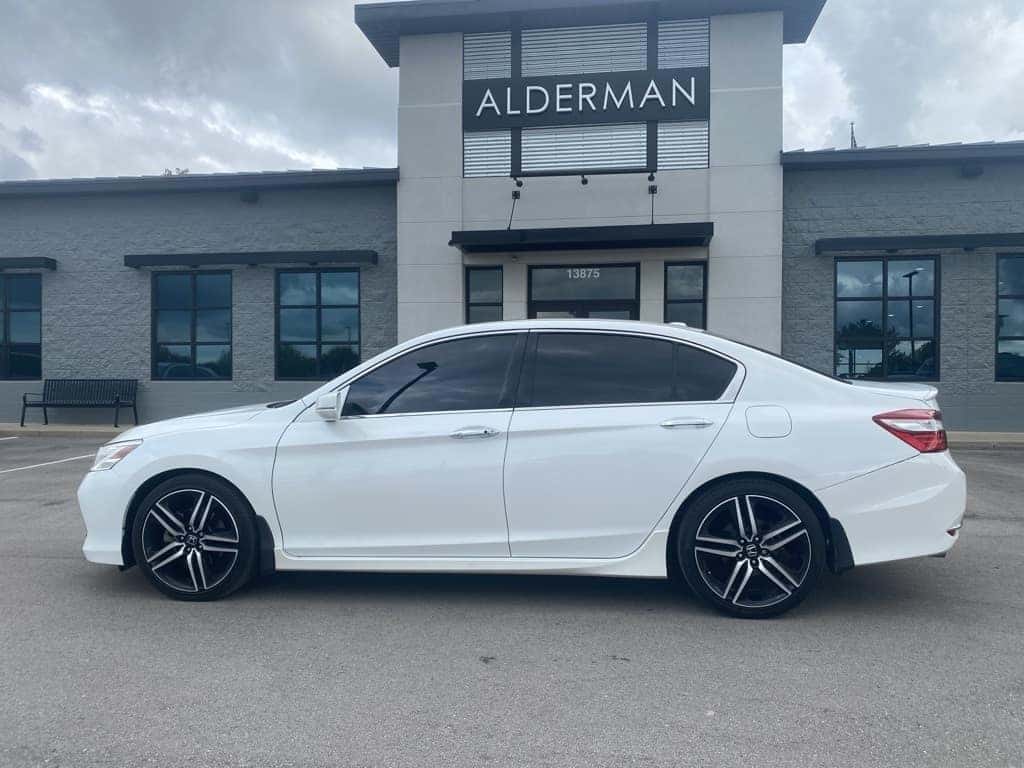 Front-Wheel Drive
Front-wheel-drive (FWD) vehicles also date back to the late 1800s. FWD was recognized for its traction advantages of having the engine weight over the drive wheels. Most of the early development on FWD was in Europe, possibly spurred by its snowy climate. The U.S. had FWD Miller Indy race cars and some low-production, very pricey Cord models in the 30s and Oldsmobile Toronado and Cadillac Eldorado models in the 60s, but the challenge and expense involved in having all engine torque run through articulating front axles kept U.S. front-wheel-drive models limited in numbers. The first FWD breakthrough came from the Citroen Traction Advant in the mid-30s. Almost always visible in WWII films with a French location, Citroen built some ¾-million Traction Advants from the mid-30s through 1957.
The second breakthrough came from the 1959 Austin Mini designed by Alec Issigonis in response to the first Suez Canal crisis that significantly increased European fuel prices. Issigonis’ genius was in turning the inline engine sideways (transverse-mounted) and having a compact transmission next to it before sending power to the front wheels. This allowed eighty percent of the floorplan to be used for passengers and luggage, resulting in a small car with impressive room. With no driveshaft, it also eliminated the hump in the cabin floor, and the traction advantages of having the engine over the drive wheels remained.
After the U.S. experienced its own fuel crisis in the 70s and 80s, basically almost all manufacturers recognized the superior packaging and weight-saving advantages of FWD and developed their passenger cars with this configuration. It is now found on almost all small cars, crossover vehicles, and non-luxury sedans.
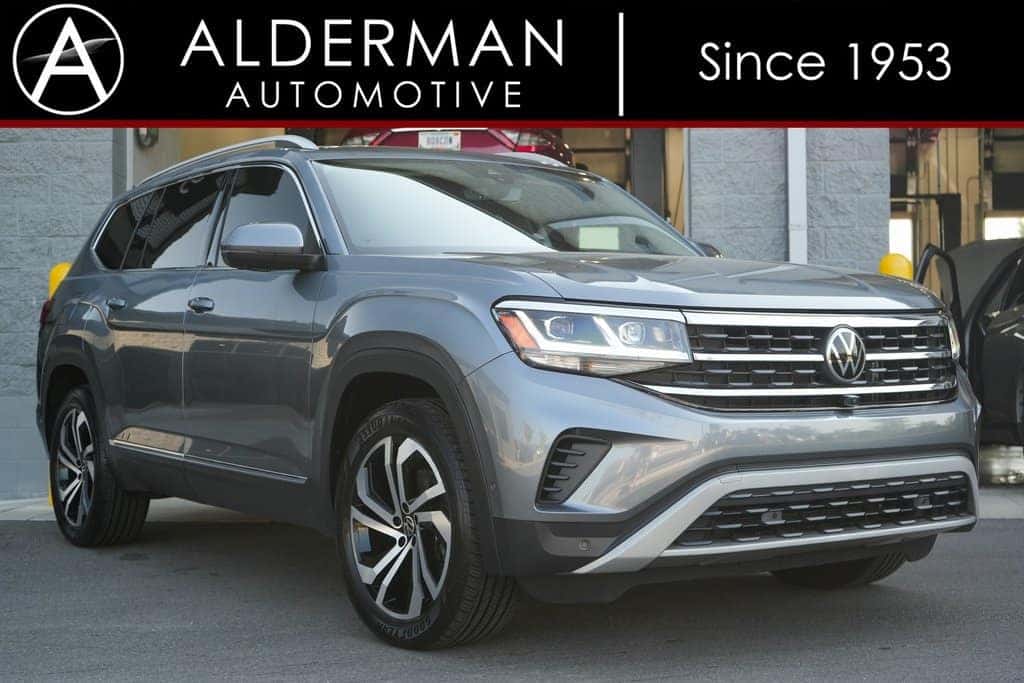 All-Wheel Drive
But wait! Don’t many crossovers have all-wheel drive (AWD)? Yes they do, but most are first configured as FWD vehicles with the transverse-mounted engine arrangement. Power runs from the transmission to a differential that distributes power in a variable manner between the front and rear wheels. The lack of a direct mechanical connection between front and rear axles eliminates the on-pavement drive wind-up found in 4WD, so the power can be sent to all four wheels all the time.
The advantage is that traction from all four tires is optimized when all wheels become drive wheels. Combined with the electronically controlled ability to vary the torque between the front and rear, the vehicle becomes sure-footed in multiple driving situations and makes AWD the best configuration for maintaining stability on wet and snow-covered pavement. If the snow gets high enough to cause a vehicle to become stuck, the lock-step motion of 4WD still has the advantage of getting a vehicle unstuck and is still the best at covering rough terrain, but AWD does increase off-pavement ability over RWD or FWD.
For most gas-powered automotive uses, FWD is the most appropriate and efficient operation. When it snows, a FWD vehicle with four winter tires can get you around almost as well as a vehicle with AWD. AWD vehicles do have an advantage on snow and if you plan to do some light off-pavement driving. 4WD is what you want if you expect to operate in deep snow, mud, or difficult uneven terrain that could raise one tire in the air.
This doesn’t really apply to electric vehicles. Motors are small and relatively lightweight, with most of the drivetrain weight concentrated in the battery located between the front and rear axles, so the traction advantages of a FWD over RWD in an EV are negligible.
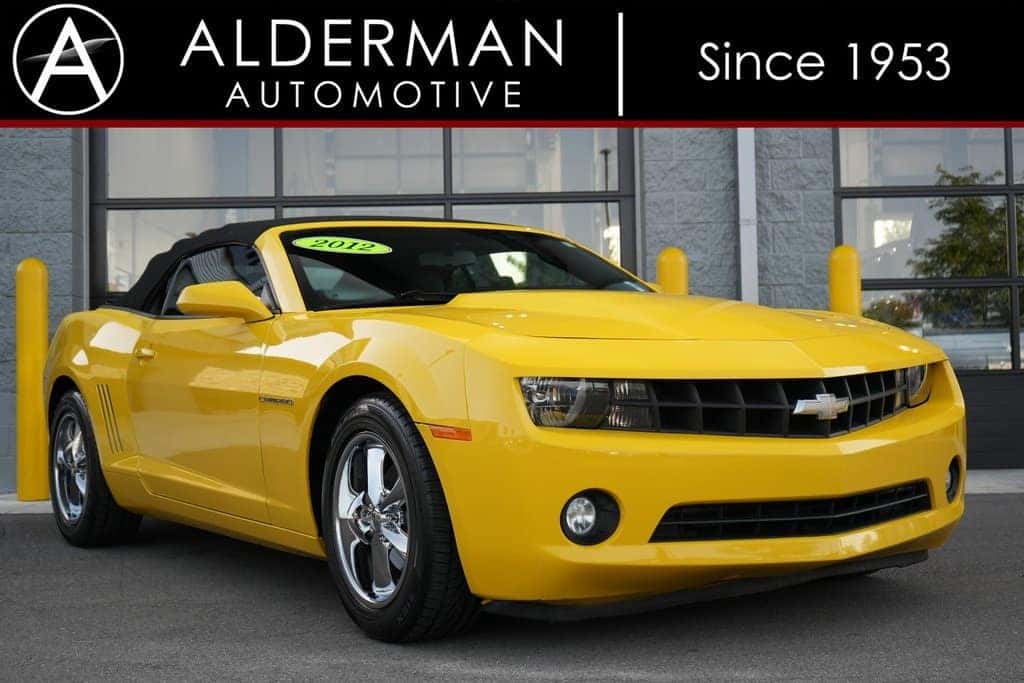 Rear-Wheel Drive
Finally, rear-wheel drive (RWD) still has its place. While AWD may have the ultimate performance advantage, many driving enthusiasts appreciate the level of vehicle control they have by knowing that all forward motion is from the rear wheels, leaving the front wheels to steer only. Luxury sedans from luxury brands like BMW, Mercedes-Benz, Lexus, and Genesis have RWD for this reason. In trucks, RWD can also be the best choice for towing a heavy trailer or carrying heavy loads.
The best choice is the one that fits your driving expectations, and we have them all at Alderman Automotive. The drivetrain configuration is stated under “Basic Info” for every model listing.
0 comment(s) so far on Rear- Versus Front- Versus All- Versus Four-Wheel Drive