


What Are the Differences Between Full-Size Pickup Truck Models?
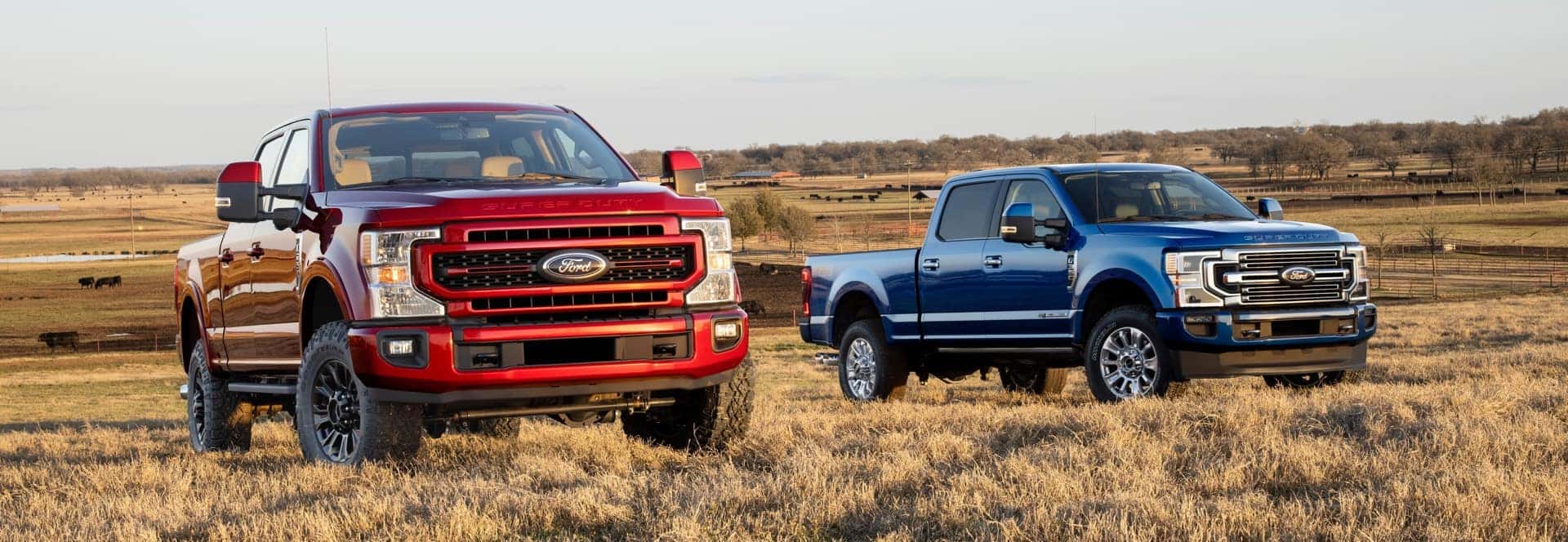
Did you know that full-size pickup trucks account for the vast majority of registered vehicles in the U.S.A., including both private and commercial vehicle registrations?
Even for someone who has owned a pickup truck before, there could be a bit of confusion between the light-duty half-ton models and heavy-duty three-quarter/one-ton models. In many lineups, these models look alike from the outside. Underneath, however, they offer differing levels of capacity and capability based on their Gross Vehicle Weight Ratings.
So, what are the differences between light-duty half-ton and heavy-duty pickup trucks? To find out, we need to go back in time. About 50 or so years ago, full-size pickup trucks were offered in three lines: half-ton, three-quarter-ton, and one-ton. This usually referred to the payload capacity and Gross Vehicle Weight Rating for each vehicle.
Nowadays, those class distinctions no longer apply in the same way, as pickup trucks have increased overall capacity and capability to meet even heavier demands. However, these terms still apply to today’s pickup trucks, with three-quarter-ton and one-ton models being combined class-wise into heavy-duty lineups.
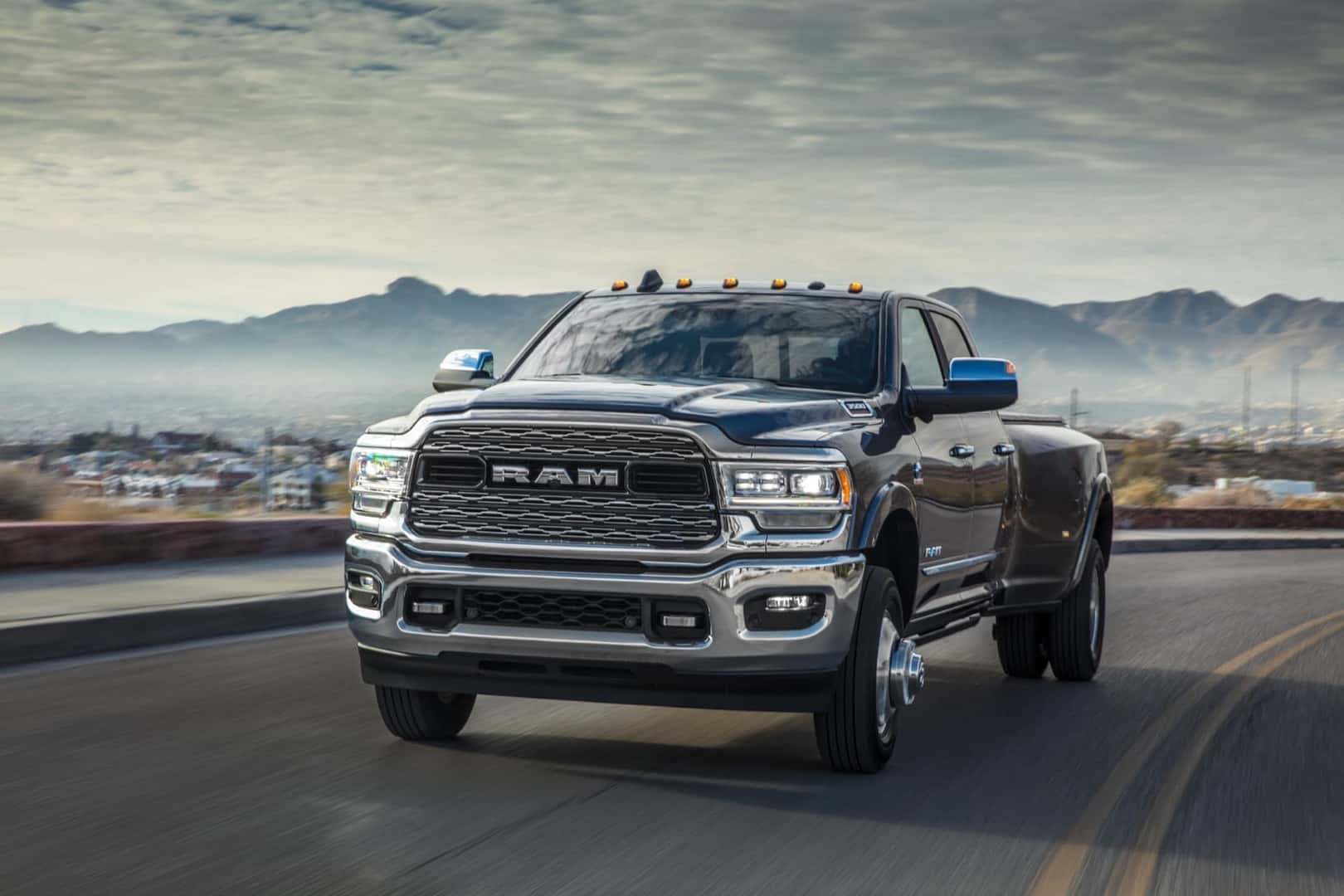
The Diesel Army website offers a few tips on what to look for in distinguishing the models. Obviously, model designations do help, as 250 or 2500 denote three-quarter-ton models, while 350 and 3500 (and even higher) are one-ton models.
There is one exception among full-size pickup trucks. Even though it was built on a heavier duty chassis and was powered by a diesel engine, the 2016-2024 Nissan Titan XD is considered a “heavy half-ton,” with its capacity and capabilities falling between a true half-ton and three-quarter-ton pickup truck.
Heavy-duty pickup trucks are built on stronger frames and suspension systems. They are equipped with beefier brakes and full-floating rear axles. They also wear larger tires and wheels with a more robust lug arrangement—usually eight per wheel—with one-ton models offering dual rear wheel configurations. The result is a taller ride height and longer shock absorber travel.
There are also key components and features that are larger on a heavy-duty pickup truck. The front end may have a larger grille and fascia with more robust bumpers. The mirrors are larger and can extend further out when a trailer is being pulled. The bed lengths are also longer when connected to crew cab models for more utility and fifth-wheel towing applications.
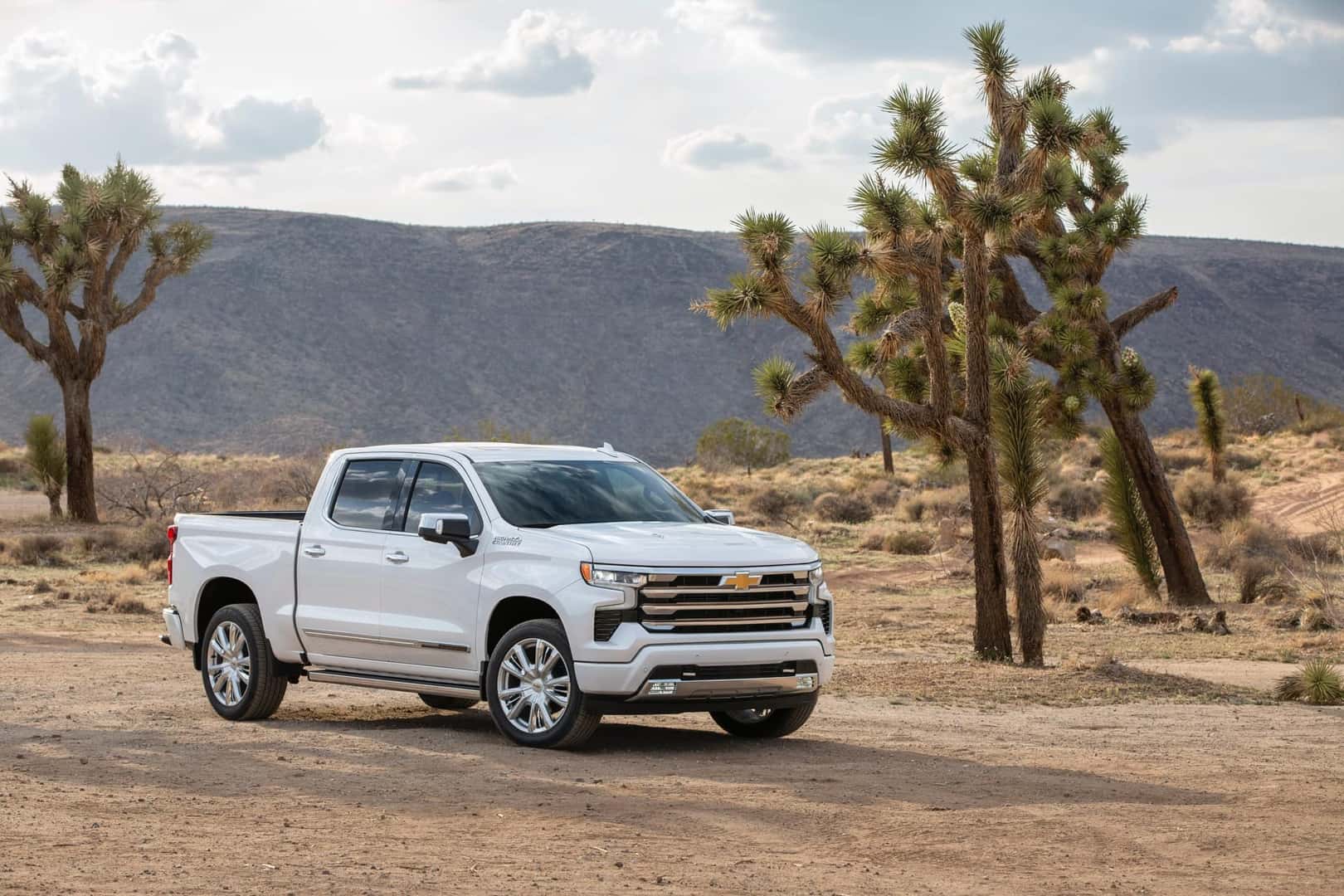 A huge difference between half-ton models and heavy-duty models lies underneath the hood. Both gasoline and diesel engines are engineered for specific load capabilities. On heavy-duty models, torque-heavy diesel engines are favored for their ability to manage larger loads.
Lastly, towing capacities differ between all three “weight” classes. Most half-ton models can tow around 10,000 pounds or more. Stepping in a three-quarter-ton will increase that capacity to about 18,000-20,000 pounds. If you tow more, the one-ton models are the way to go. With fifth-wheel and gooseneck connections, the maximum towing capacities can go well over 30,000 pounds.
At Alderman Automotive, we know our pickup trucks inside and out, and we offer a great selection of used ones at affordable prices. To find out more, contact us so we can show you our great selection of full-size pickup trucks and match you with the right one for your needs.
0 comment(s) so far on What Are the Differences Between Full-Size Pickup Truck Models?