


What to Have at Home for When the Grid Goes Down
Modern life has brought countless daily pleasures and conveniences, such as cellphones, climate control, television, the internet, refrigeration, and other electrical appliances, that couldn’t even be dreamed of a couple of centuries ago. And as nice as they all are, it is worth remembering that the electrical grid on which much of it depends could go down at some point and change everything. It may go down due to stormy weather, aging infrastructure, or even a cyberattack, but when it does, you’ll want to be prepared. Alderman Automotive offers these helpful hints.
Covering the Basics
You don’t have to be a full-on doomsday prepper just to have some items on hand for just-in-case scenarios. Here is a list of some basic items that you will want to have on hand:
- Water: One gallon per person/day (storage & purification tablets/filter).
- Food: Non-perishable (MREs, energy bars, canned goods) with a manual can opener. If you have an electric stove, you may want a propane camp stove. And then of course, have propane on hand.
- Lighting: Flashlights and battery-operated lamps should be readily available. Strongly consider an LED light with head straps and extra batteries.
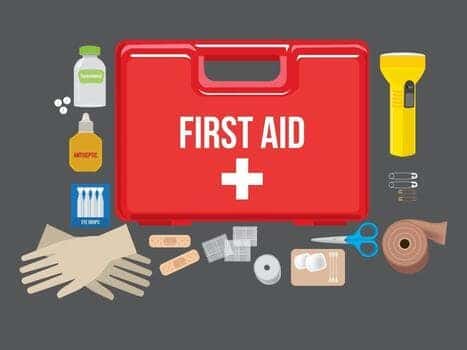
- First Aid: Comprehensive kit, including personal medications and tourniquets.
- Communication: battery/hand-crank radio (NOAA alerts), whistles, backup power banks for phones.
- Tools: Presumably, you have a set of household tools. You may want to add a multi-tool for convenience, a non-kitchen knife, duct tape, and a manual can opener.
- Hygiene: Wet wipes, hand sanitizer, toiletries.
- Warmth: Blankets, extra clothes, cold-weather gear.
Consider having much, if not all, of the above in a single place and, if possible, in a single bag that can be easily accessed and brought to where it is needed.
If you really want to consider yourself prepared, beyond the basics, consider these items in your home.
Portable Power Station
A high-capacity lithium power station, such as those from Jackery, Bluetti, or EcoFlow, may not keep your house fully lit and powered. However, it can charge tools, phones, radios, and possibly keep a fridge running to protect perishable foods.
Battery-Powered Drill and Wrench
If you find yourself having to rig things, a battery-powered drill and/wrench can make things easier. They usually come with spare batteries that can be charged using the power station just mentioned while you are using the tool.
Extra Fuel
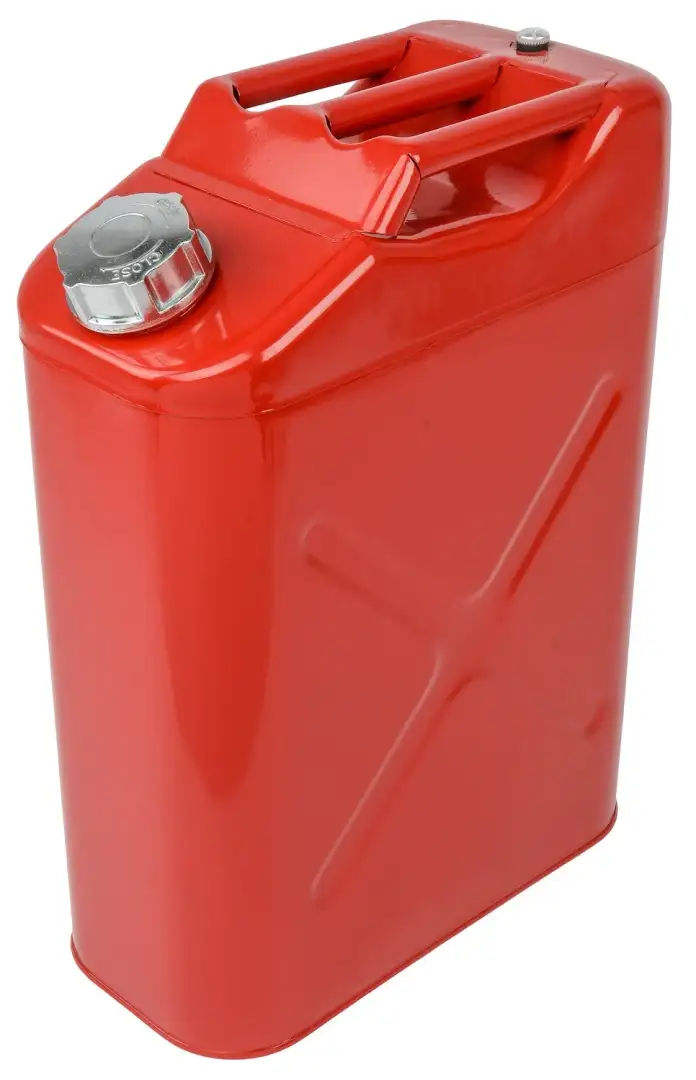
If you have a generator, make sure you have fuel to power it. Before storm season, you may want to have some full jerry cans on hand. Use stabilizers like Sta-Bil to extend the shelf life of the fuel beyond a couple of months.
Solar Charger
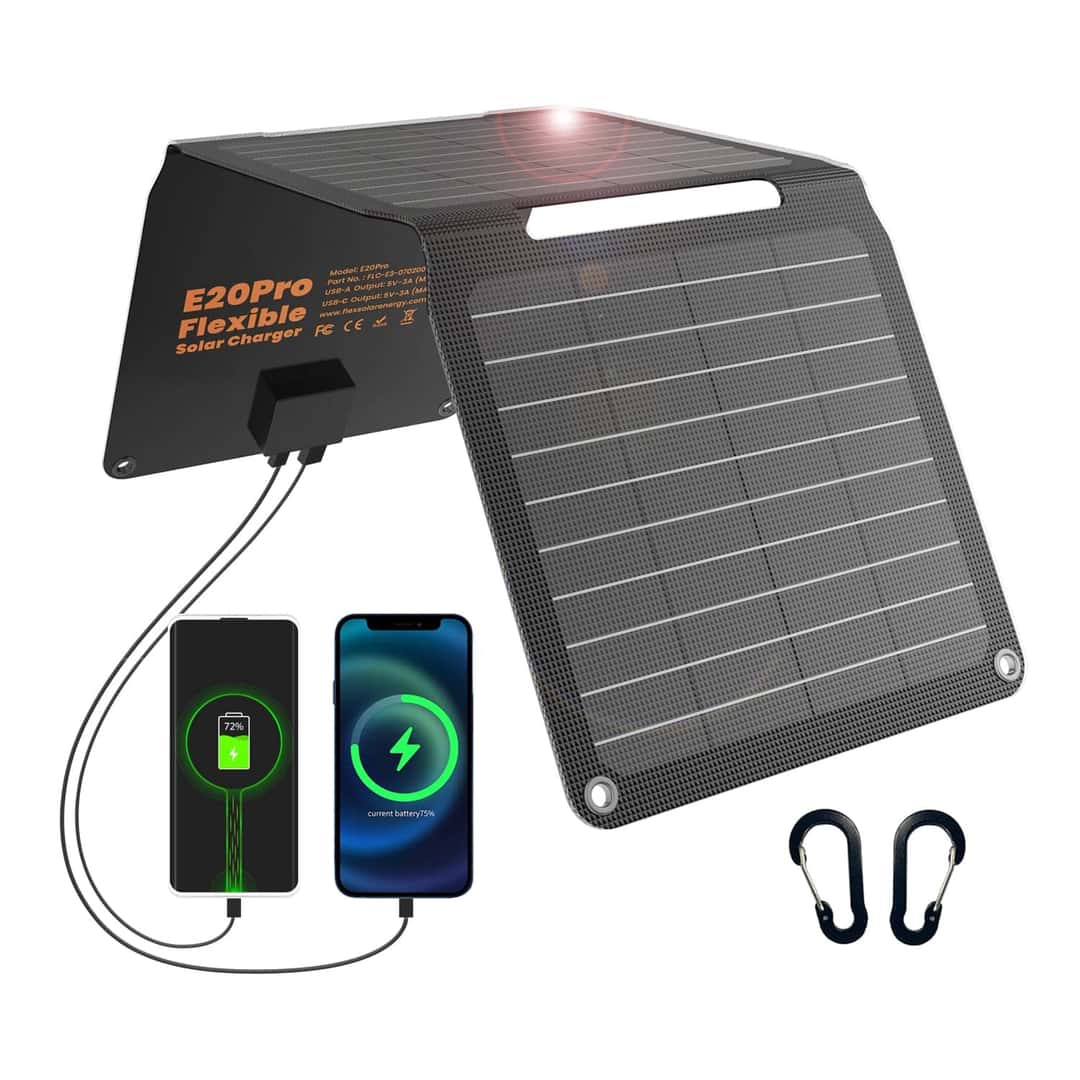
If the grid went down in the summer due to excessive air conditioning use, a solar charger can produce enough power on a sunny day to replenish your power station or cell phones. And it is much quieter than a generator. However, if power is out due to a storm, the sun may not be available for use.
Maps
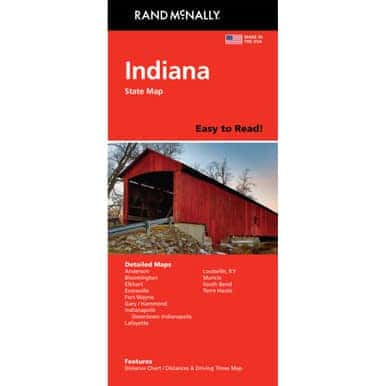
If you have to go somewhere, even if your phone has juice, cell service may be disrupted, leaving you without your navigation system. Be sure to have maps of the local area and relearn how to read them. Also, if you are in an area with which you are not familiar, have a compass to help you determine basic directions.
Several of these items may already be in your home. However, the time to locate them is not after the power outage. For all the items you already have, make sure you know where everything is and possibly consolidate them in a safe, easily accessible location.
Except for that last point, very little of this has to do with driving, and we doubt you will be in the car market during an emergency. Still, we want you to be safe and healthy so you can visit Alderman Automotive when the emergency is behind you, and the need for new transportation arises.
0 comment(s) so far on What to Have at Home for When the Grid Goes Down