


What to Look for When Test Driving a Used Car

Buying a used car can seem daunting, especially if you’re not knowledgeable about cars, a vehicle’s history, and its needed maintenance. However, with these helpful tips, you can go anywhere and feel more comfortable knowing you won’t be out of your league.

Do Your Research Before Leaving the House
Before going to look at or test driving any car, it is important to do your research. No matter the car, simply typing the vehicle into Google with “reliability” will pull up a plethora of information. Furthermore, adding “Reddit” to that reliability query will also bring up a healthy number of questions posed by people looking at the same car over the past few years. There, you will find commenters who actually own this vehicle telling you their experience over however long they’ve owned it.
Google and CarFax are Helpful
Once you find the car you want on a dealer lot, type the VIN (Vehicle Identification Number) into Google. If it has been in a major accident and fixed, you will see photos and information about it online. You can also use services like CarFax to look up specific vehicles and their history. Many cars will have maintenance records recorded in their CarFax data if it’s been serviced at a dealer, so you can sometimes see how well the vehicle was maintained. Most independent mechanic shops, however, do not report service information to CarFax.

Examine The Exterior First
When looking at a used car, note any paint defects, such as scratches, dents, dings, and examine to ensure the paint matches. Sometimes, if cars have had paint work done, you’ll be able to notice varying degrees of differences from one body panel to another. Run your fingers along the paint, especially at the seams and gaps, to feel for rough paint, indicating a vehicle has been repainted after an accident. A clean car’s paint should be generally smooth, and your hand shouldn’t feel any grittiness unless it’s dirty.
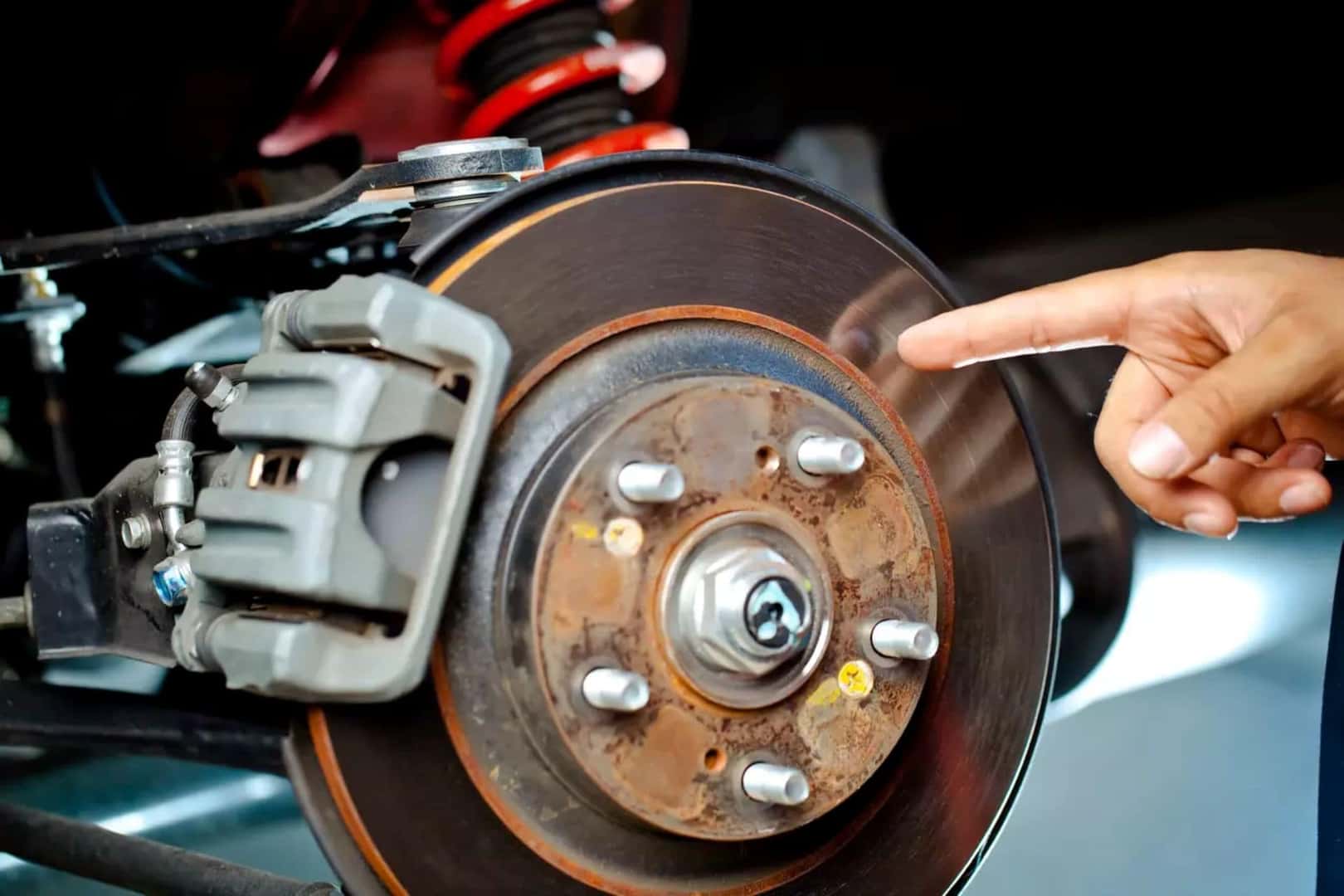
Check The Brakes
Also, look at the brake rotors. Take your fingernail and run it along the rotor (make sure the brakes are cool to the touch before doing this). If you feel your nail gets caught on anything, or if there’s a lip at the edge of the rotor, you may need to replace them. Rotors are not typically expensive, but the labor for a rotor change can be a few hundred or more dollars, not including parts.
Let’s Take a Look Inside
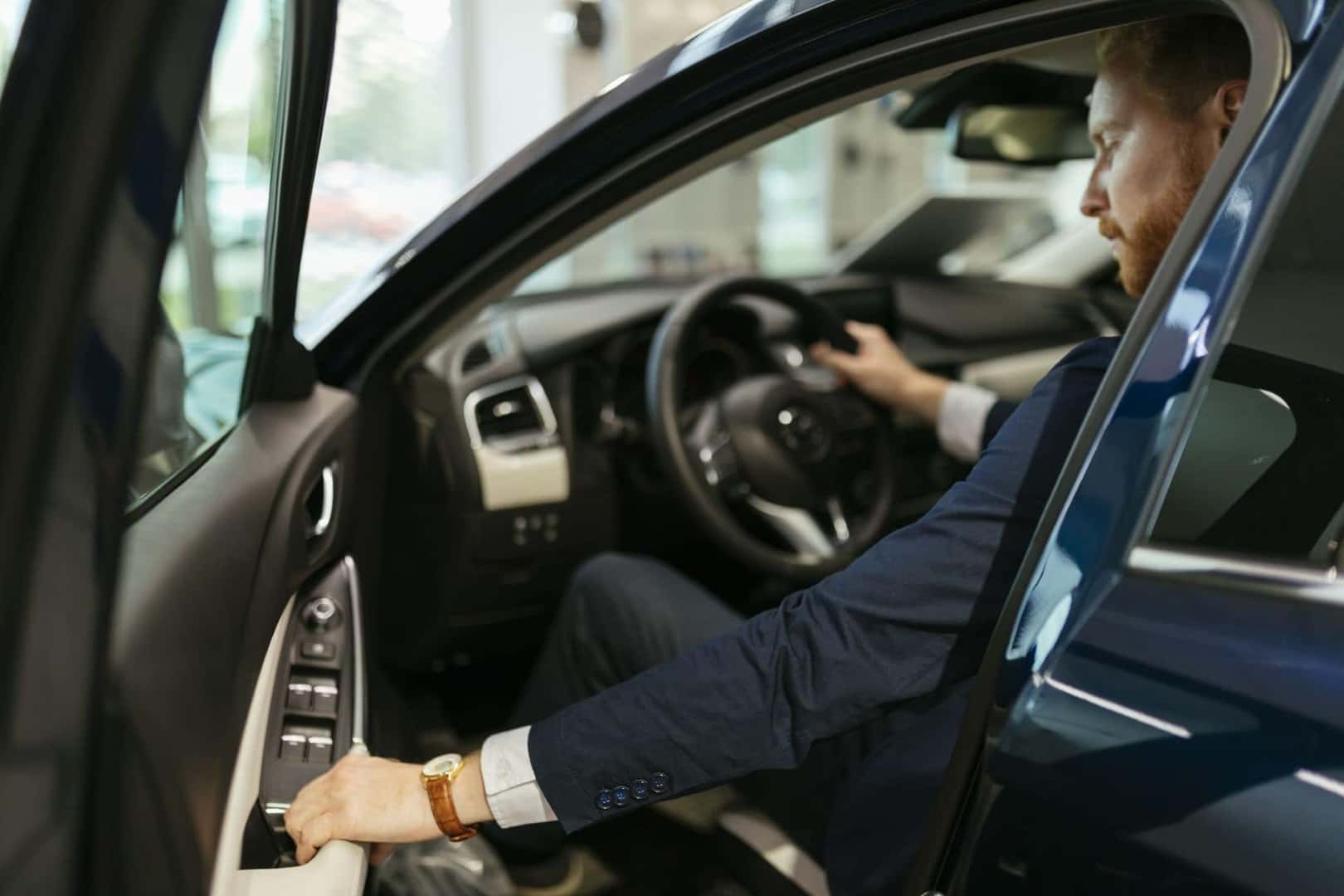
After giving the exterior a good once-over, it’s time to check out the interior. This is the best time to connect your phone with a cable or Bluetooth to check out the sound system. Listen for any scratchiness in the speakers at various decibels. Make sure the seats are in good shape, the dashboard is free of cracks, and the screens and gauges are easy to see and not hazy. Open every compartment and door, flip the sun visors up and down, adjust the seats, the steering wheel, and the mirrors. Touch every single button and play with each item inside. You’re about to buy a car, you don’t want it to nickel and dime you with little things.
Time To Start the Car and Have a Listen
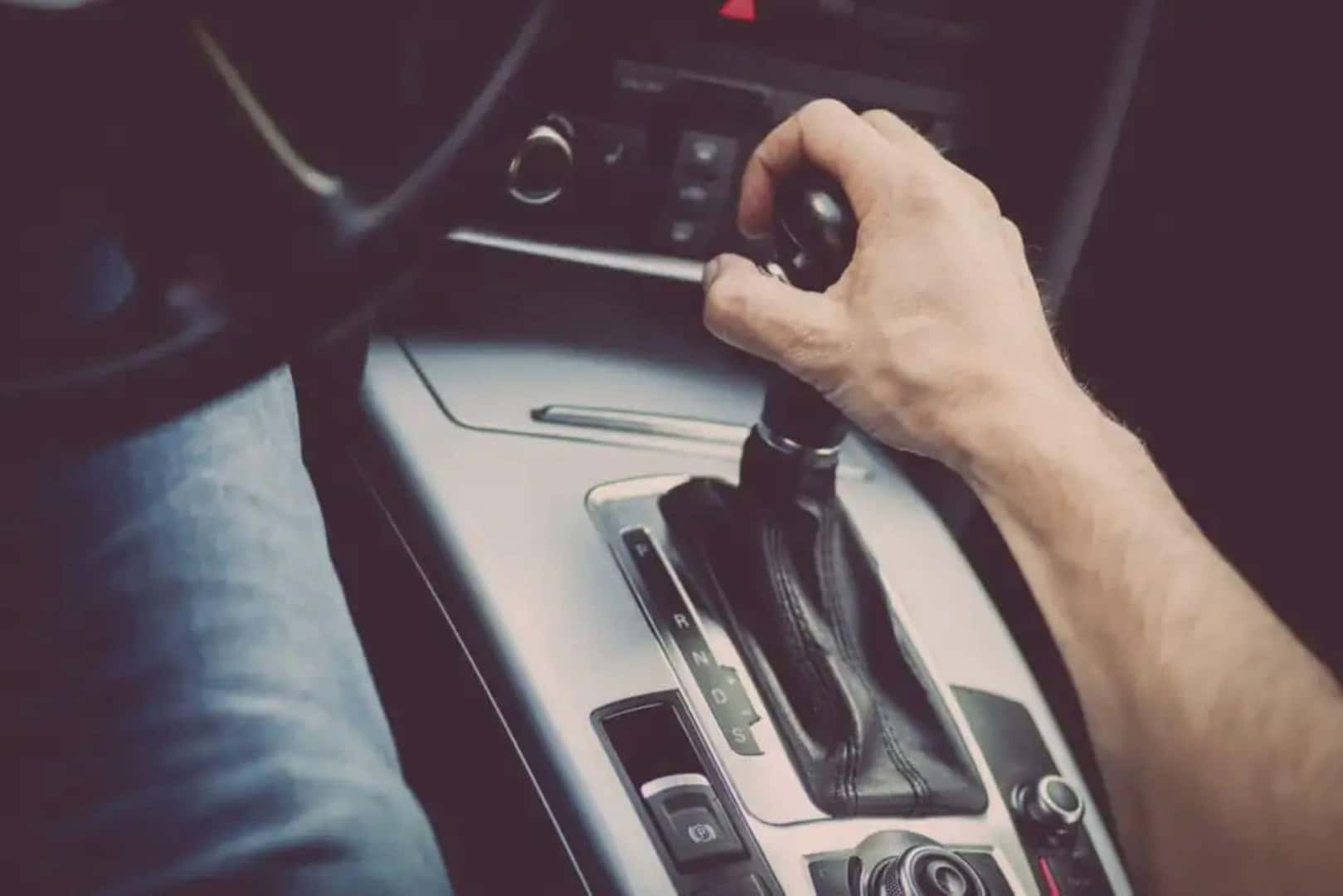
While you’re inside, turn the car on and listen as the engine settles to its normal idle. With your foot firmly on the brake (you can also apply the emergency brake just in case), engage the transmission out of park and into reverse, neutral, and then drive, in that order. Wait a few seconds between each to see how the car reacts. In most cases, you will feel the car shimmy a little when going from park to reverse. Listen as the transmission engages. Is the transmission making any noises, such as a screech or squeal? Is it shifting harshly from neutral to drive and then back to neutral? If the answer to those questions is no, then put the car back in park. If the vehicle you’re looking at has a manual transmission, shift each gear individually to check that it shifts smoothly as it should. Check the clutch to see if it needs to be pressed to the floor to engage. If so, then it needs a new clutch soon.
Take a Look Under the Hood
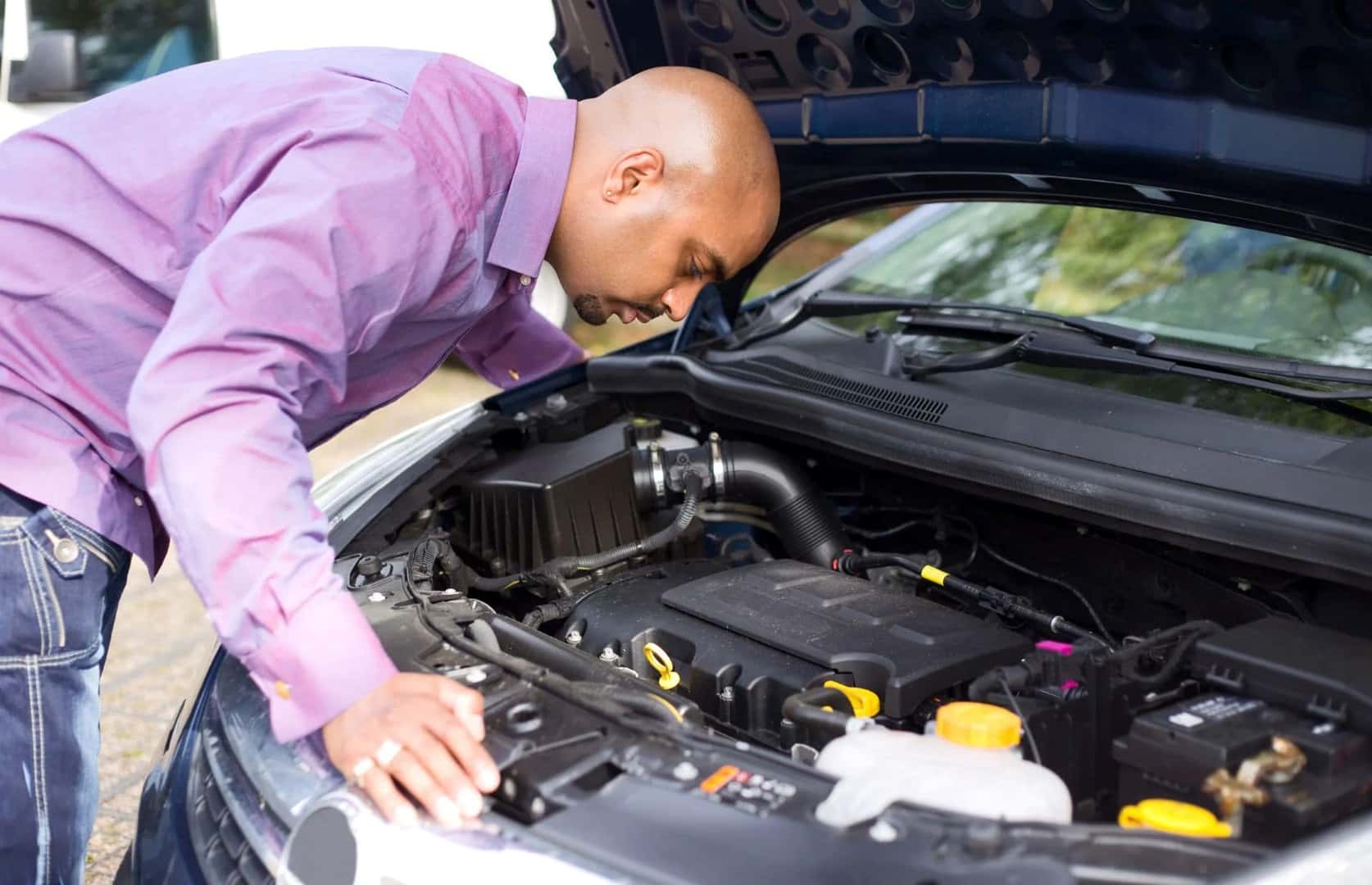
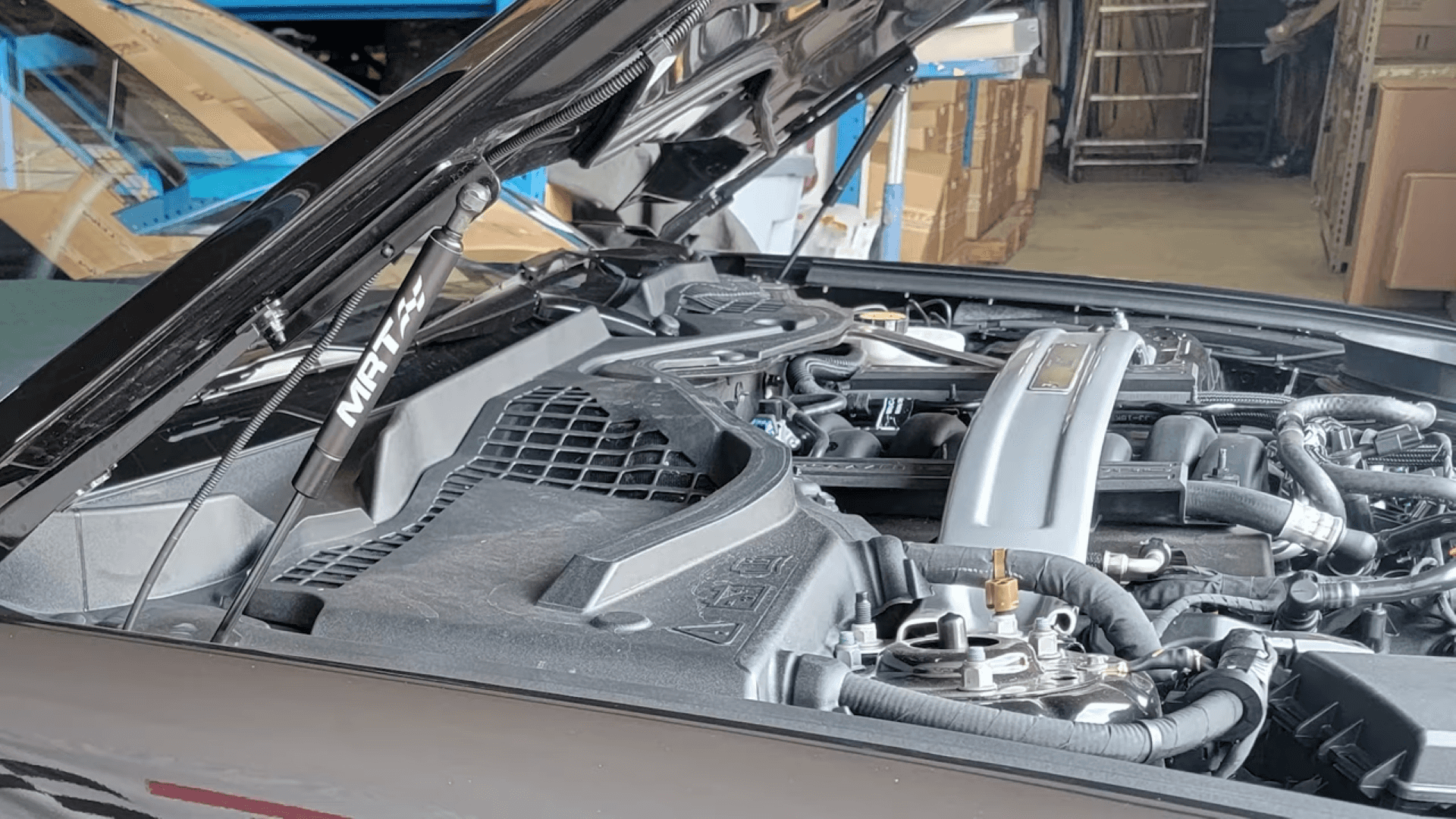
With the car still running, grab the handle for the hood and pop it. Go outside and open the hood. Some vehicles have gas struts that will hold the hood up when it’s raised, while others use a metal prop rod to hold the hood. Check to see that the struts hold the hood firmly as it’s lifted. If not, they’ll need to be replaced. That’s usually a cheap and simple job. Hood struts are easily purchased at a local auto store or on Amazon, typically for under $30. Now that the hood is open, listen to the engine and watch it. Is it shaking violently? That could be bad, or it could be something as simple as motor mounts. While motor mounts are a simple fix, they can be expensive to replace due to the amount of labor it’ll take. If the engine seems to be idling nicely and you don’t hear any squeaks or squeals from the belts or any hissing sounds from the hoses, you should be good to go.
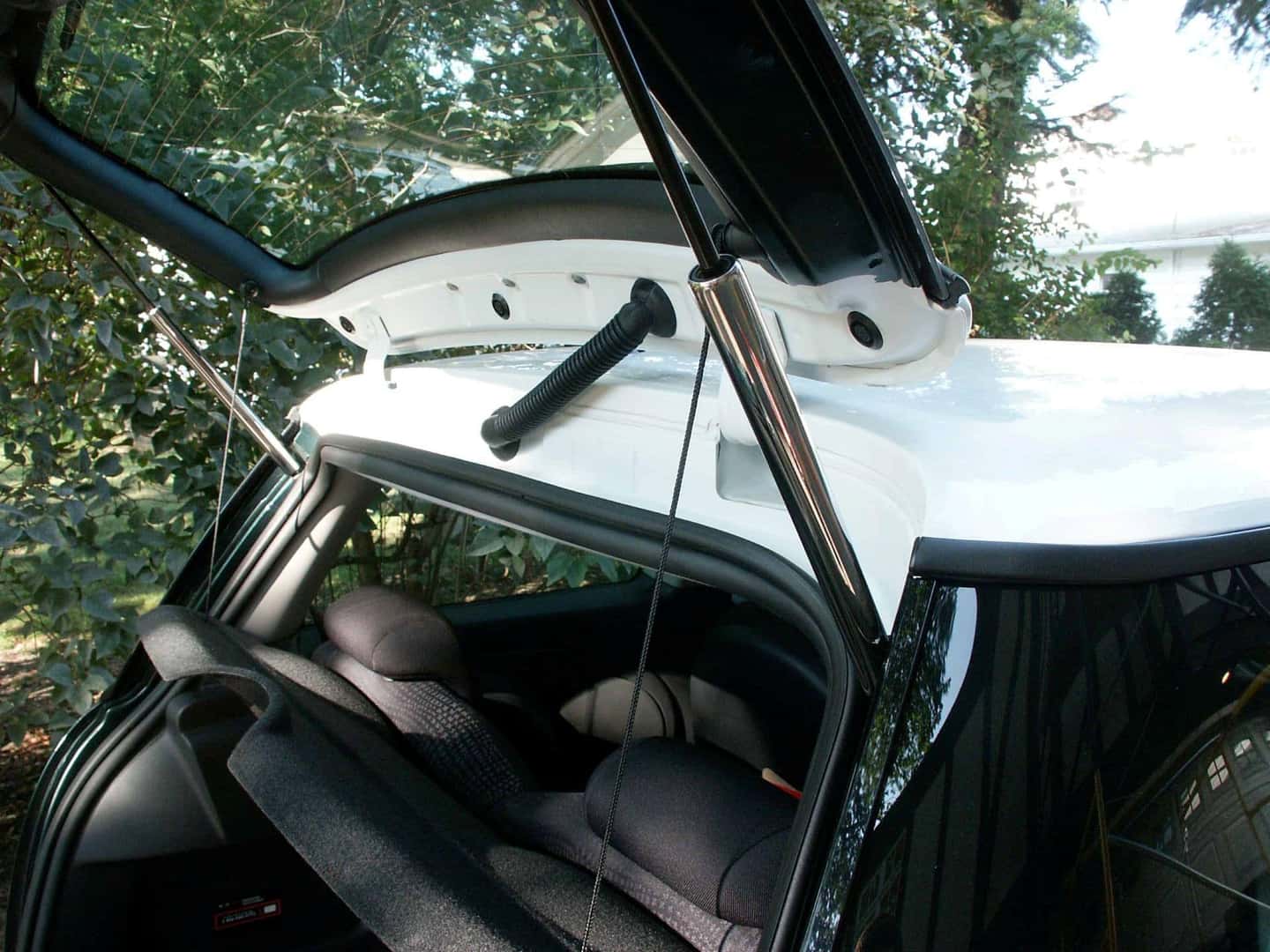
Check The Rear Hatch
If the car you’re looking at is a crossover, SUV, or hatchback, check out the rear hatch to see how good the struts are. Again, it’s not expensive to replace them, but if something so simple to do hasn’t been taken care of, what other things have been neglected?
Make Sure The Car Is Clean Underneath
For reassurance, with the car running, take a look under the vehicle, if you can do so safely, to take notice that nothing is dripping. If the air conditioning is running, you will notice a slight drip that will create a pool under the car that is completely clear. That’s completely normal and perfectly fine, as it’s just water. If you notice any other colors, such as blue, green, yellow, orange, red, black, or brown, then you have other types of leaks. Now, most modern cars will have some sort of underbody cladding/protector, so it’s entirely possible you wouldn’t be able to see anything anyway. No worries. Just have a look if you can.
At this point, you can turn the engine off. Now, check under the oil fill cap. Is there any milky or mayonnaisey-like residue under the cap? If so, that could mean the car has not been driven up to operating temperatures before being shut off. This typically happens with the vehicles that they say the little old lady just drove to church on Sundays. It’s not always something to be alarmed about, but it is something to keep track of, nonetheless.
Finally, Time to Test Drive
Now it’s time to finally test drive the car. How’s it feel? Accelerate the vehicle slightly faster than normal to see how the engine feels. Is the steering reacting normally, or does it feel lazy and hard to turn? Is the car floaty? Does it crash over bumps or uneven road surfaces? Is the transmission shifting smoothly? How does it feel when the car brakes? Does the pedal feel mushy? Does it feel like the pedal needs to be firmly pressed too close to the floor to get the car to stop? Are they making any harsh noises?
What These Things Could Mean
These are all questions to ask yourself while you are driving. Take notice of harsh road noise, which could mean the tires either need air, have too much air, or need to be replaced. If the car’s riding rough, it could need new suspension struts or bushings. If the steering is lazy or sloppy or makes odd clicking or knocking noises, the steering coupler bushing may need to be replaced. If the brakes feel weird, it could need just a fluid flush, which is something that should be done roughly every three years. If the brakes are making noises, you’ll likely need to get new pads and/or rotors.
Don’t Worry, Though
If you are test-driving a car from a dealer, it’s more than likely that these things have been found and addressed before you take a look at the car. But, if you’re looking at a private seller’s car, it’s entirely possible you could run into some of these issues.

Alderman Automotive Makes Your Car Buying Decision Easier
Now you have a decent understanding of how to properly shop for a used car and feel more confident about making a buying decision. The good news is that the fine sales staff and service technicians at Alderman Automotive work hard to ensure that each car on their lot is prepped and ready to be sold without issues or faults. So, when going there, you can feel less pressure or fear about what you are getting yourself into.
Why Choose Alderman Automotive
Alderman Automotive has the best end-of-year prices for cars, trucks, and SUVs, which are great for long-distance travel. At Alderman Automotive, we work tirelessly to give you the best possible price and service on every used car we sell, and our finance department will work within your monthly payment needs. Whether you are looking for a high-end luxury car or SUV, or if your budget is something under $15,000, we have a whole host of vehicles best suited for your wants and needs. Our state-of-the-art service department and helpful staff will ensure your vehicle is always in the best condition possible.
0 comment(s) so far on What to Look for When Test Driving a Used Car