


Which SUVs have the most Legroom for Third-Row Passengers?
Before the SUV revolution and the widespread use of seatbelts, family cars were typically sedans or station wagons based on sedan designs. Cars weren’t as space-efficient as they are now, but they were wide and often had both front and rear bench seats. So, when there were a few extra people on a trip, we simply stuffed more into the seats and maybe even the cargo section of the wagons, clown-car style. All was good if a bit overly cozy until there was an accident, and suddenly everyone was an unguided missile headed in the direction of the impact.
Today, almost all 2-row vehicles are designed to seat five, which can suit most families unless visitors are involved. Initially, it was vans, then minivans, and now it’s the 3-row SUVs that offer three rows of seats for a belted six to eight passengers. This has made the 3-row SUV the default family vehicle for large or active families across the country. Sometimes these rearmost seats seem only suitable for children. Other models claim there is room for full-size adults in that third row. US News has compiled a list of SUVs that provide third-row legroom exceeding the industry average, and Alderman Automotive shares its findings with you.

Legroom in second- and third-row seats is measured from the bottom of the seatback to the back of the seats in front of them. Of course, front seats and sometimes second-row seats slide fore and aft, directly affecting this measurement. SAE J1100 standards simply specify that the front seat should be adjusted to a typical driving position, which allows for some wiggle room. If the second-row seats slide fore and aft, there is no rule on their exact placement, only that they should be in the same position when measuring legroom for both the second and third rows. US News found that the average third-row legroom in three-row SUVs is 32 inches. These are the 2025 model year vehicles they identified as exceeding that average.
BMW X7 – 33.3 inches
Affluent families may appreciate the model’s style, performance, and luxury features of the brand’s largest and most opulent SUV. However, its third row legroom is just a little more than an inch above average. The third set of seats can be heated, a feature that is mainly limited to the first two rows on other models. With the third seat in use, the X7 has 12.8 cubic feet of cargo space, which is less than average for the category.
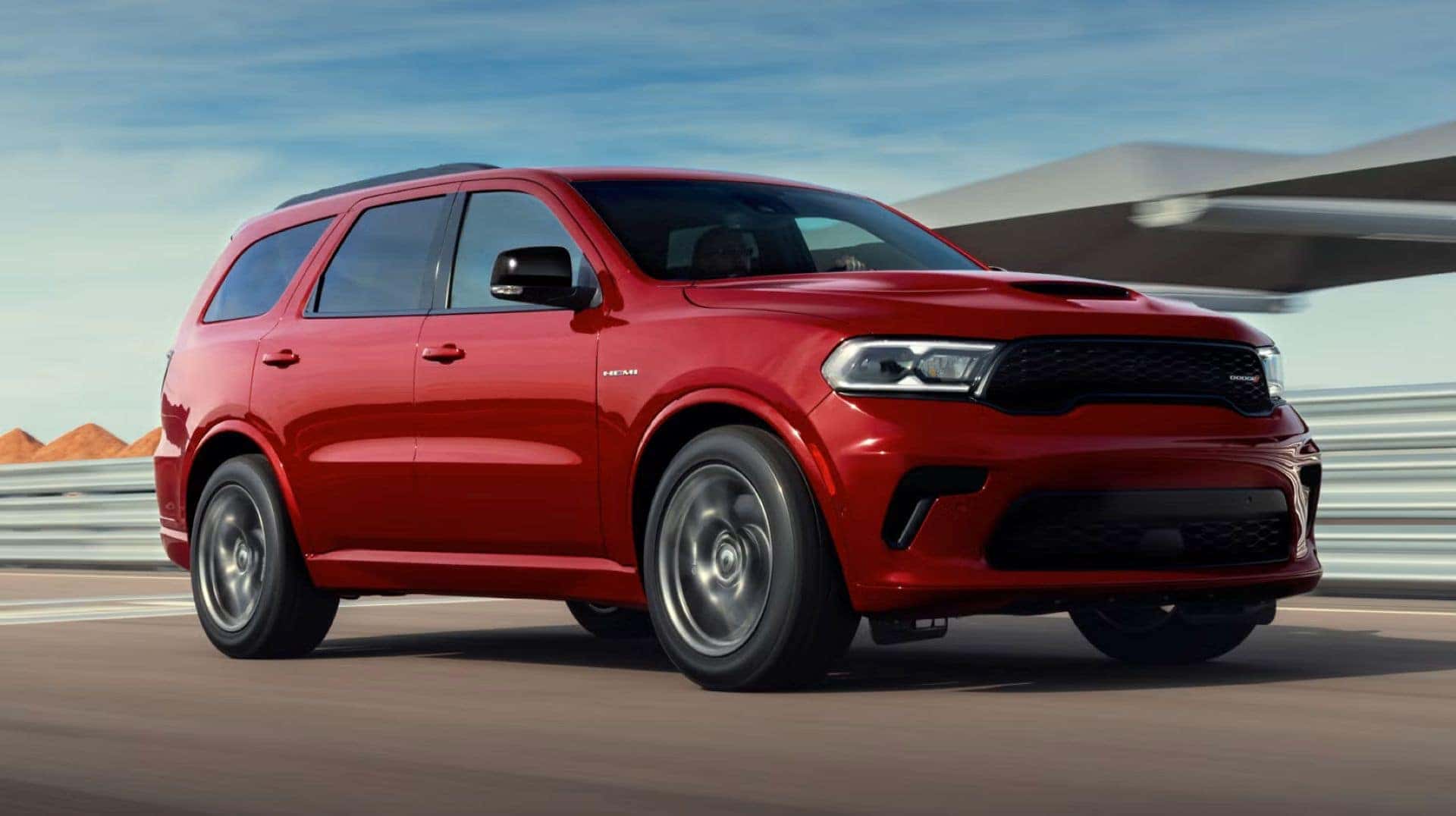
Dodge Durango- 33.5 inches
Dodge’s largest SUV still falls short of its full-size rivals from Ford and GM. It can seat either six or seven and offers an inch and a half more room for the knees of third row passengers. The Durango still provides 17.2 cubic feet of cargo space when using the third row.
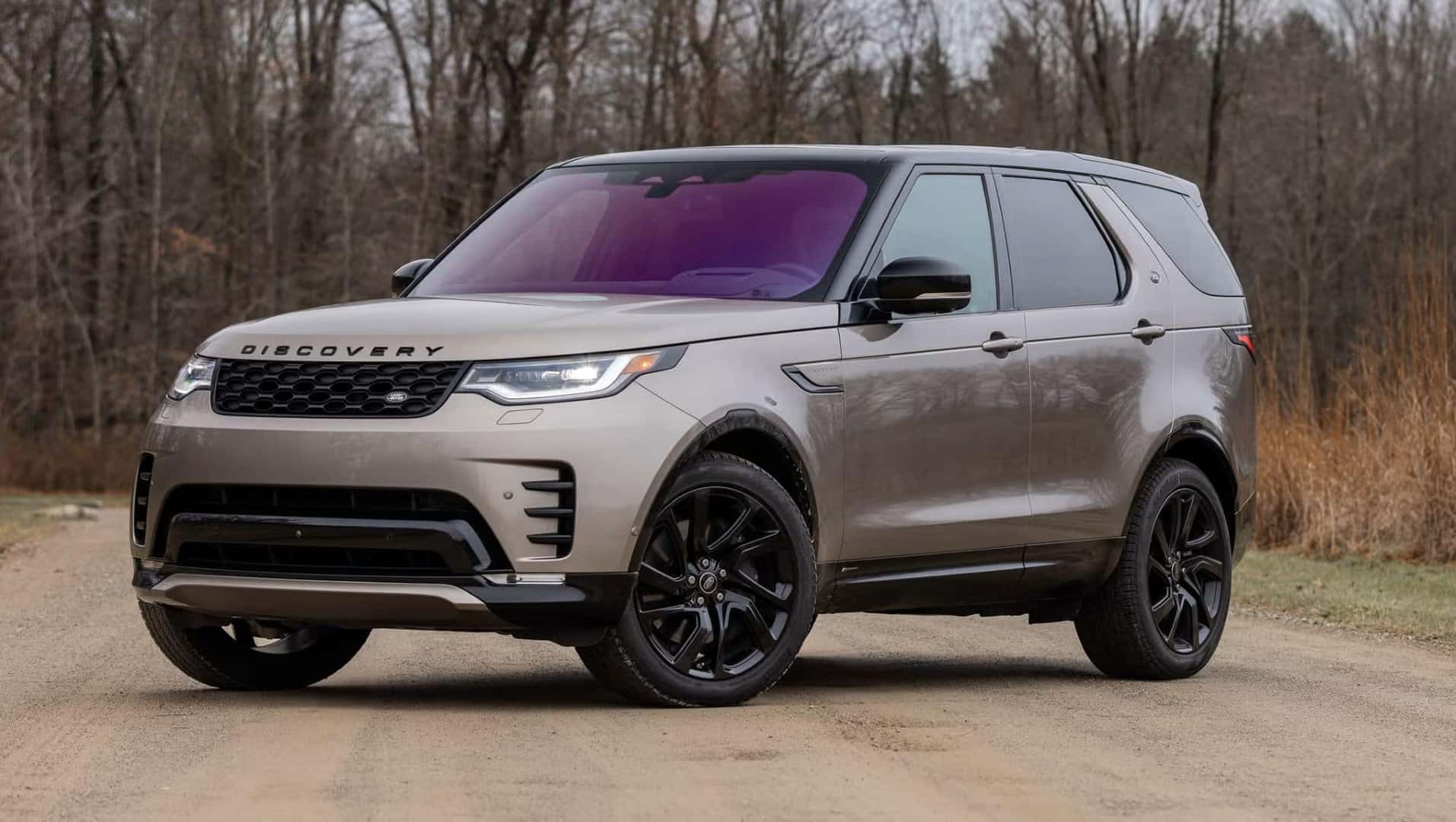
Land Rover Discovery – 33.5 inches
The Discovery combines deft off-road ability with English luxury. While the Discovery
matches the Durango in third row legroom, it is a people vs. cargo proposition with just 6.1 cubic feet of cargo space when the third-row seats are occupied.
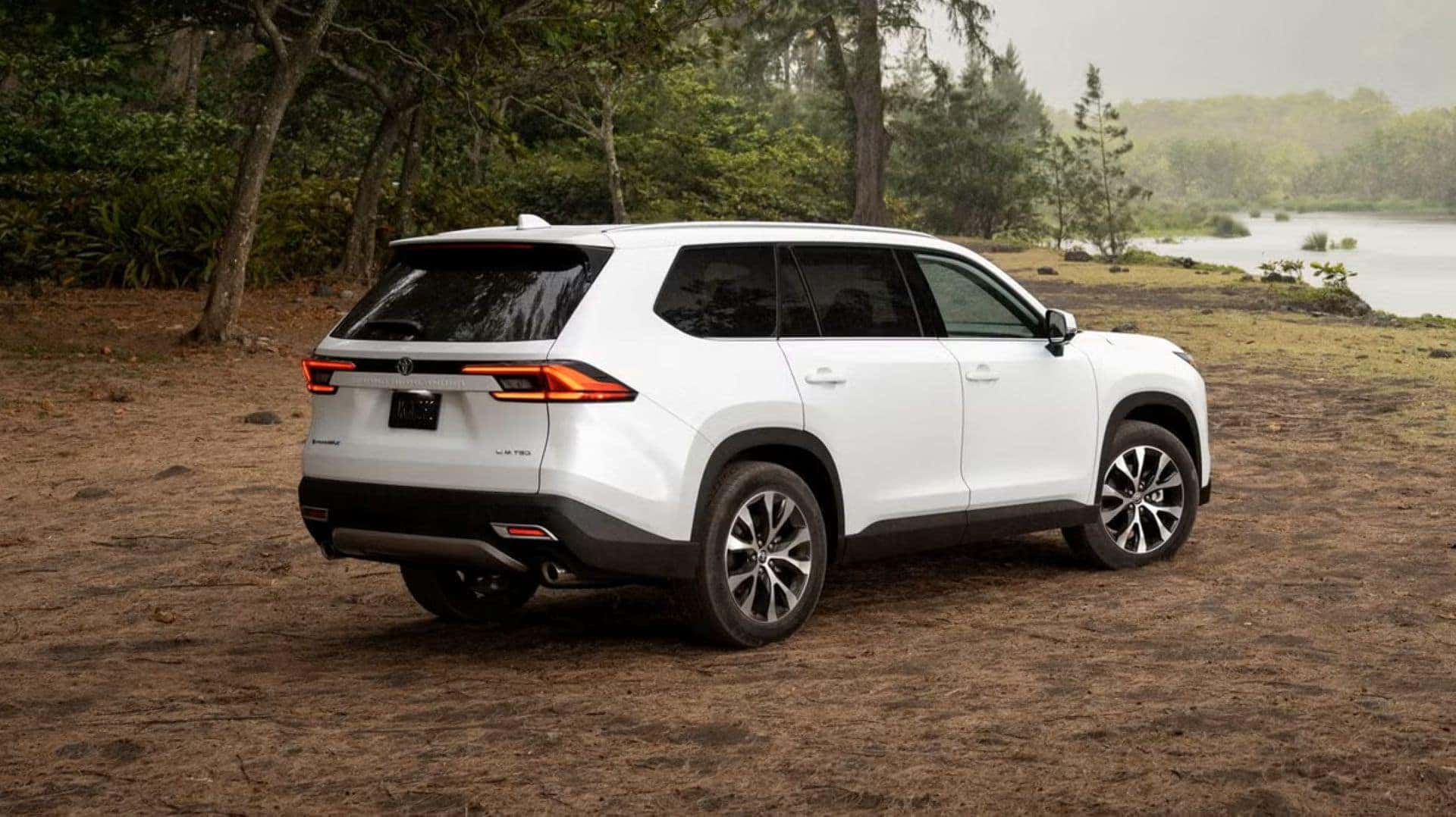
Toyota Grand Highlander – 33.5 inches
The name makes it sound like a longer or more luxurious Highlander, but the Grand Highlander is an entirely different model. It’s 33.5 inches of third-row legroom matches the Durango and Discovery, and it slots in just below its larger Sequoia sibling. Cargo space behind the third row is significantly better than the two models mentioned above and just under the Sequoia at 20.6 cubic feet.
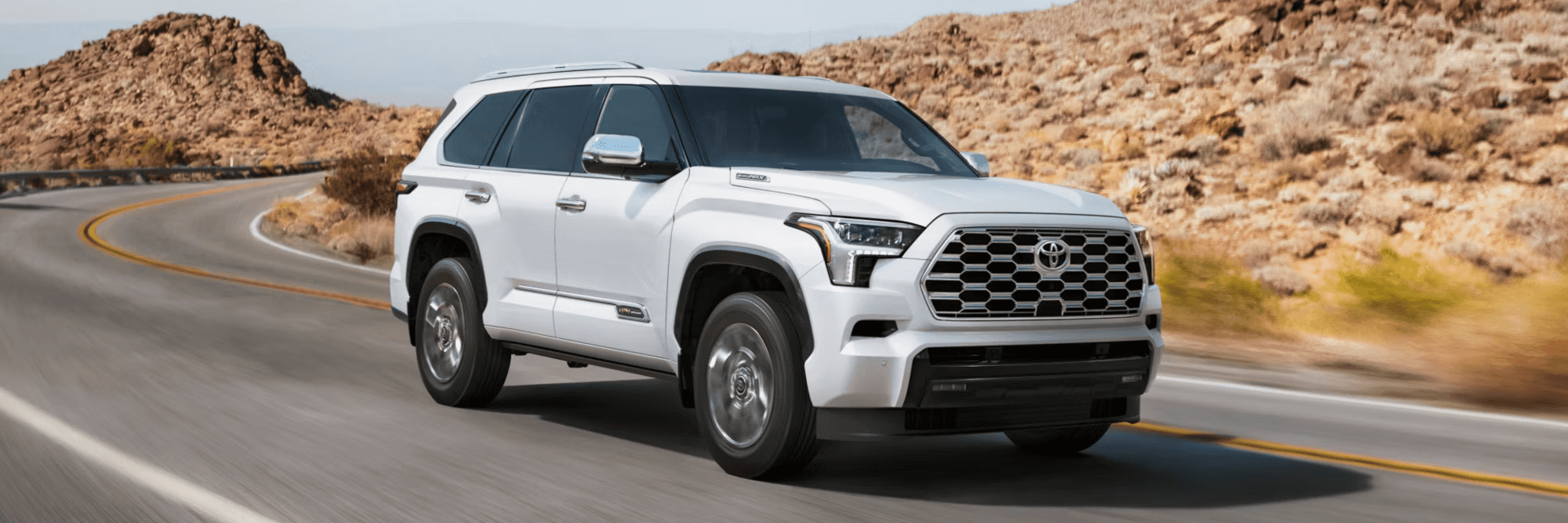
Toyota Sequoia – 33.7 inches
The Toyota SUV, built on the full-size Tundra pickup platform, offers sophisticated drivetrains and Toyota’s renowned reliability, but it lags behind its competitors in space behind the second row. The third row slides but provides only 33.7 inches of legroom at its rearmost position. In that position, there is just 11.5 cubic feet of cargo space. However, if your third-row passengers are small, the cargo space can increase to up to 22.3 cubic feet.
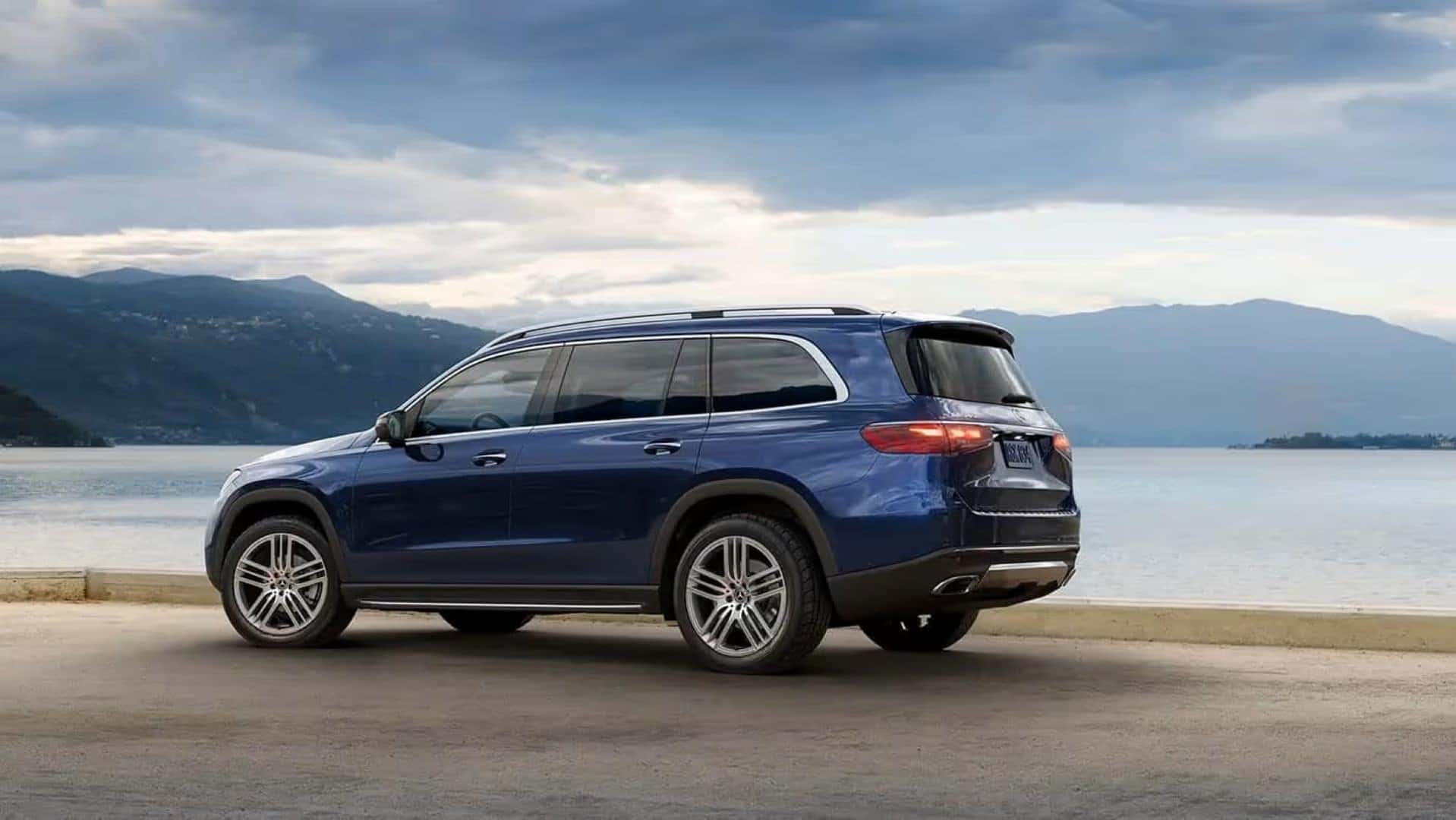
Mercedes-Benz GLS – 34.6 inches
The brand’s biggest crossover offers over 2.5 inches more than the average and immerses third-row and all occupants in Mercedes-Benz luxury. While it weighs in at over 5500 pounds of German engineering, the cargo space behind the third-row seats is still on the small side at 17.4 cubic feet.
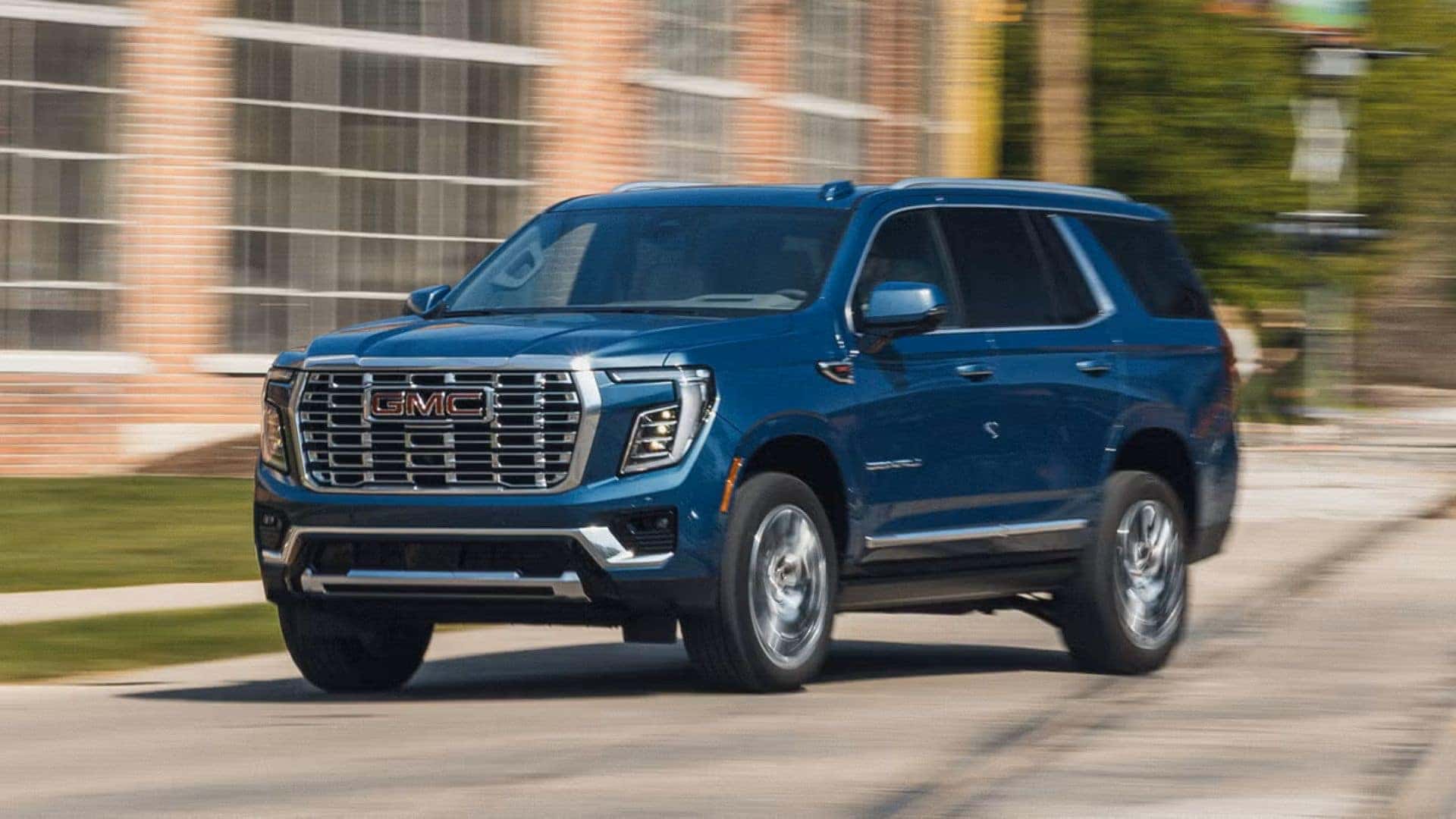
Chevrolet Tahoe / GMC Yukon / Cadillac Escalade – 34.9 inches
These functionally identical models sit on GMC’s full-size truck platform but feature an independent rear suspension for a smoother ride. With just under 35 inches (34.9), third-row passengers should have plenty of space for trips. They also don’t have to travel light, as these models provide 25.5 cubic feet of cargo space behind the third row.
Land Rover Range Rover – 35.8 inches
The brand’s largest SUV and a descendant of the models that established its luxury off-road reputation, the Range Rover offers third-row passengers a spacious 35.8 inches of legroom in its high-tech, luxurious interior. There is also an impressive 70.7 cubic feet of cargo space behind those seats.
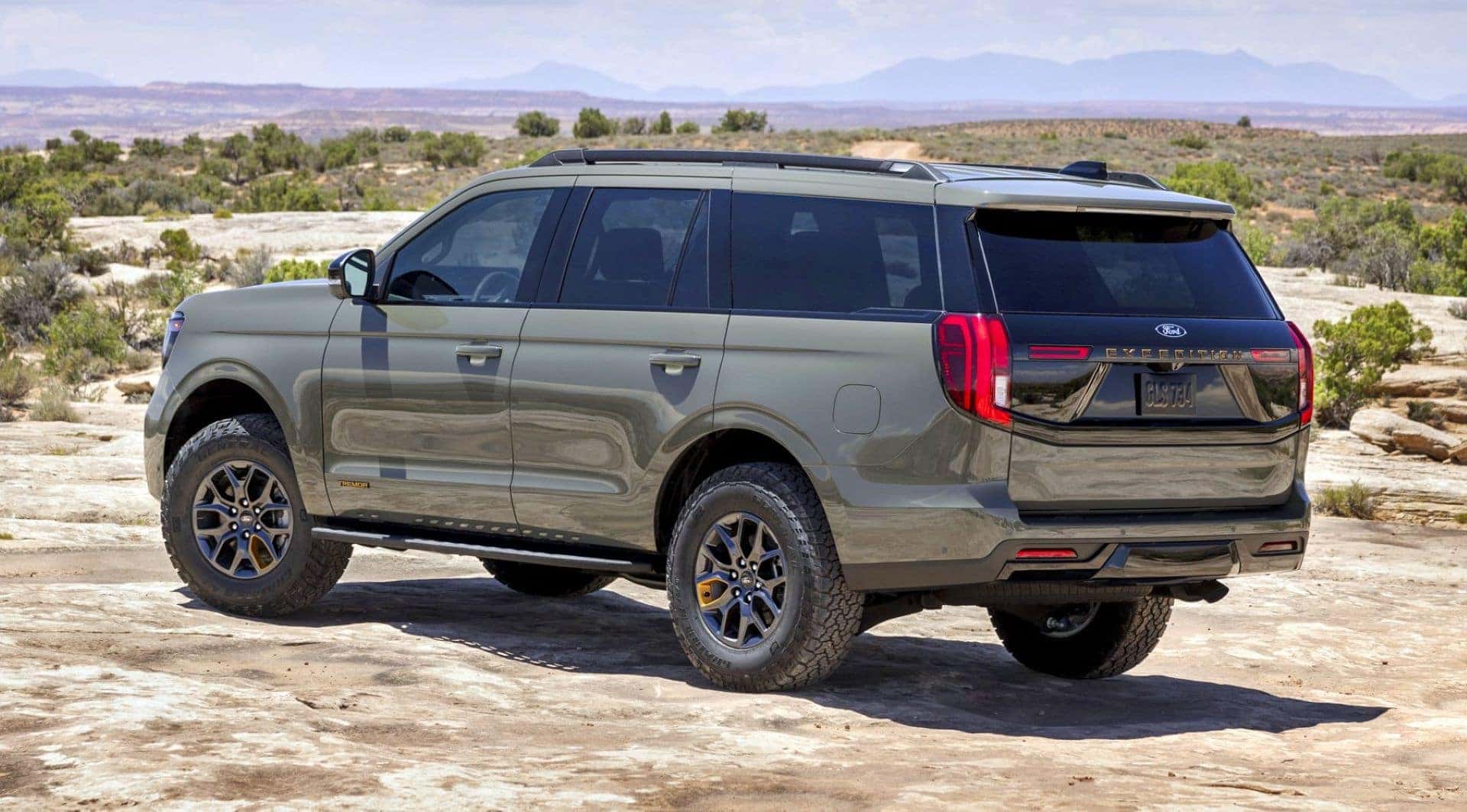
Ford Expedition – 36.5 inches
Fully redesigned in 2025, the Expedition can seat seven or eight full-size adults, with rear passengers enjoying 36.5 inches of legroom for their feet and knees. However, the cargo space with all seats in use is somewhat smaller at 21.6 cubic feet. The Expedition MAX maintains the same rear legroom but increases cargo capacity to 36.1 cubic feet.
Jeep Wagoneer L – 36.6 inches
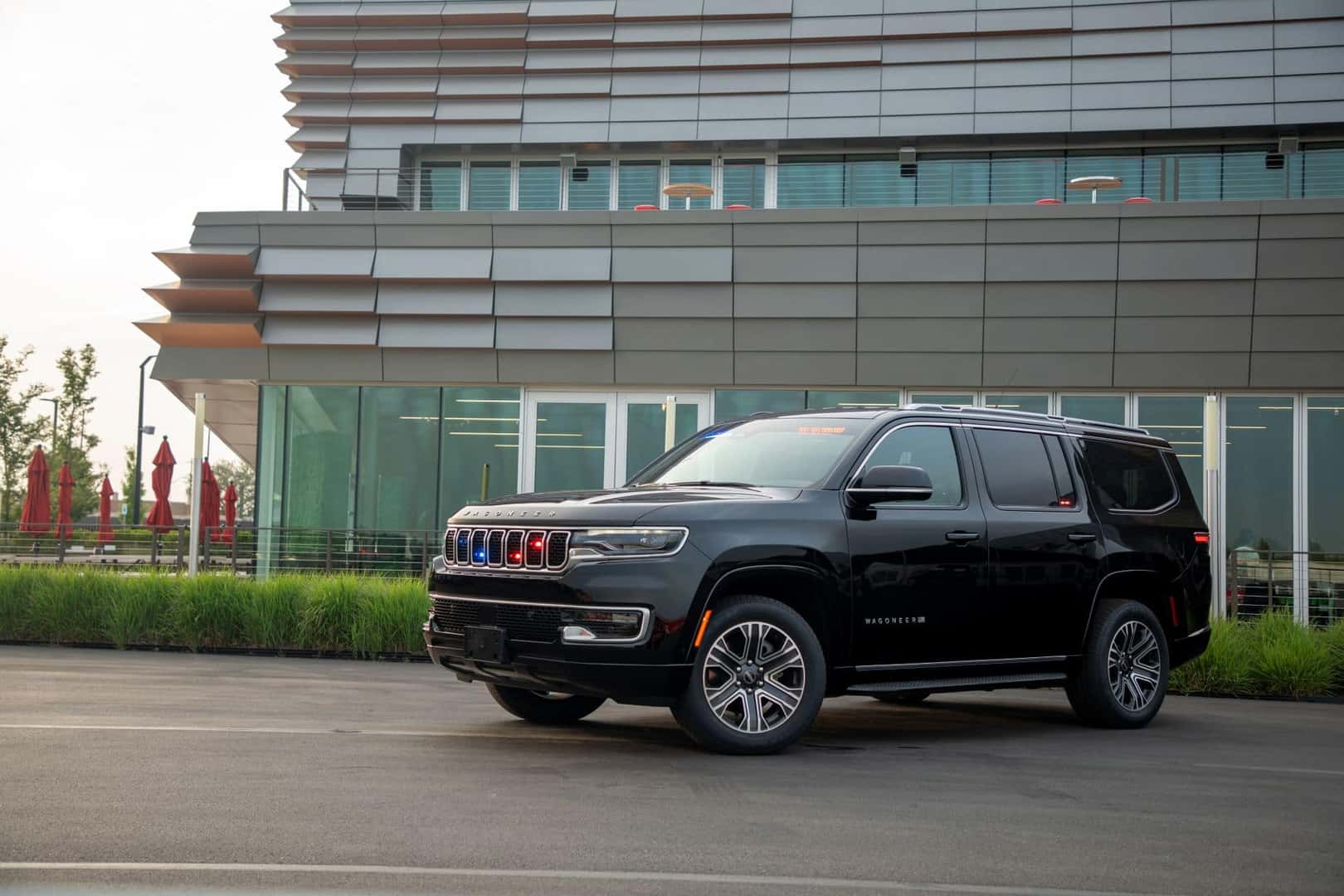
The Wagoneer, Wagoneer L, and the luxury-brand Grand Wagoneer share the same platform as the Ram 1500 pickup series. Although L models have a 7-inch longer wheelbase, all models offer 36.6 inches of rear legroom, only slightly less than the category leader. Like the Expedition, the main difference is in cargo space, which increases from 27.4 cubic feet to a category-leading 42.1 cubic feet on the “L” models.
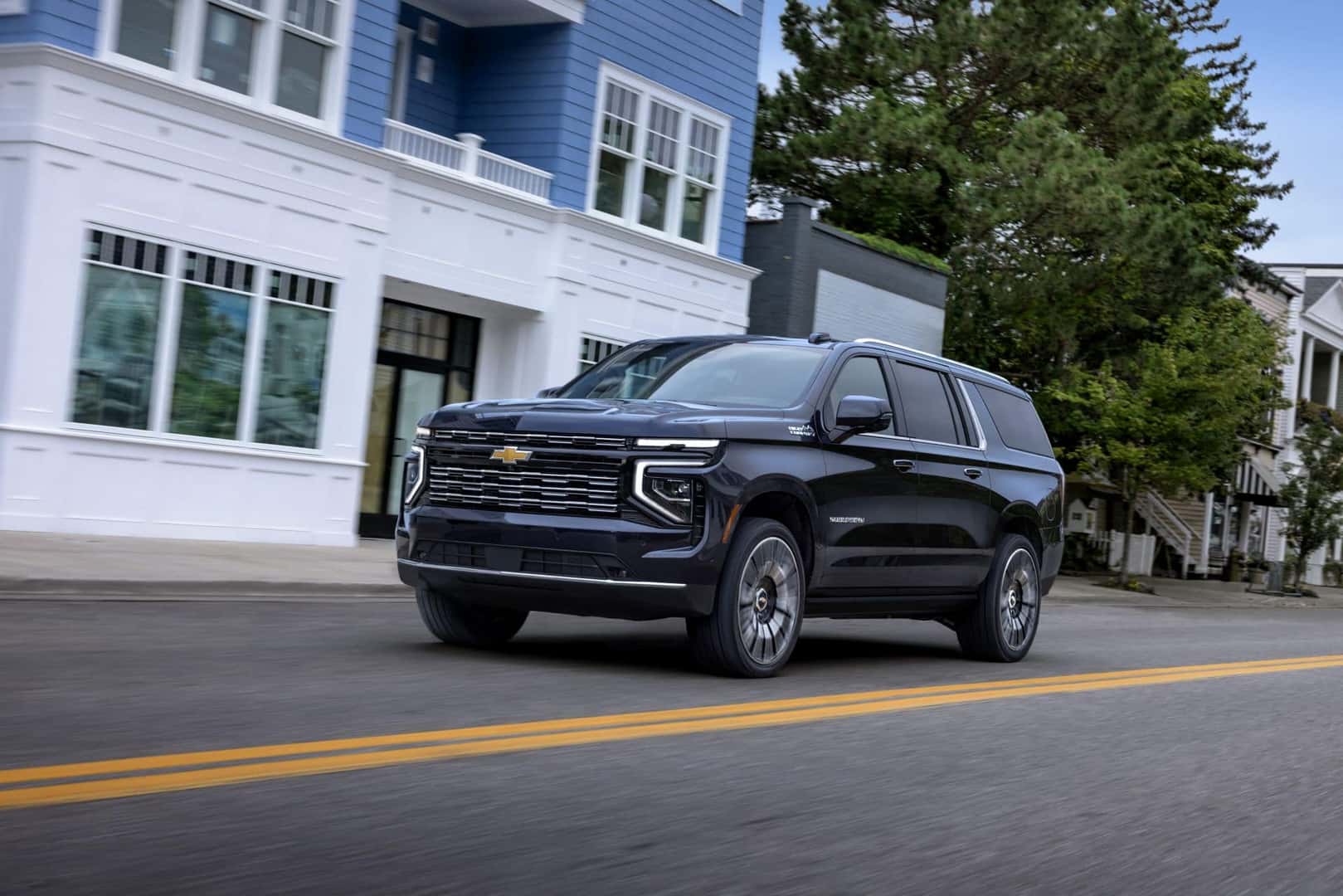
Chevrolet Suburban / GMC Yukon XL and Cadillac Escalade XL
The Suburban pioneered this segment over 90 years ago, and it, along with its structurally identical counterparts from GMC and Cadillac, offers the most cabin space in the category. Their 36.7 inches of third-row legroom exceeds that of the shorter wheelbase Tahoe and related vehicles by over 1.5 inches. The most significant difference is behind the seats, with an impressive 41.5 cubic feet of cargo space.
All of these figures are for 2025 models. Chances are that older versions of these same models listed in the Alderman Automotive inventory might have different measurements, but it is unlikely they will change significantly. It is easy to identify which of these models are in the Alderman inventory using its filter tool.
0 comment(s) so far on Which SUVs have the most Legroom for Third-Row Passengers?