


Which Vehicles Offer The Most Cargo Space Overall?
The one thing we crave more than anything in our vehicles is space. We want to carry as many people as possible – and our belongings – in one trip, which is why it is essential to consider the cargo hold in your next vehicle.
Cars.com compiled a set of data showing which vehicles – SUVs, Minivans, and Sedans – offer the most cargo space. Not just based on the manufacturer’s specifications, but through actual measurements and examination of space utilization. They added that “the automotive industry relies heavily on self-reporting and self-certification, on everything from safety and efficiency assurances to specs like these — based on guidelines from the federal government and standardizing bodies like SAE International. Varying interpretations alone are enough to inject error in the results, even if you trust that the individuals who work for one automaker can be unfailingly objective.”
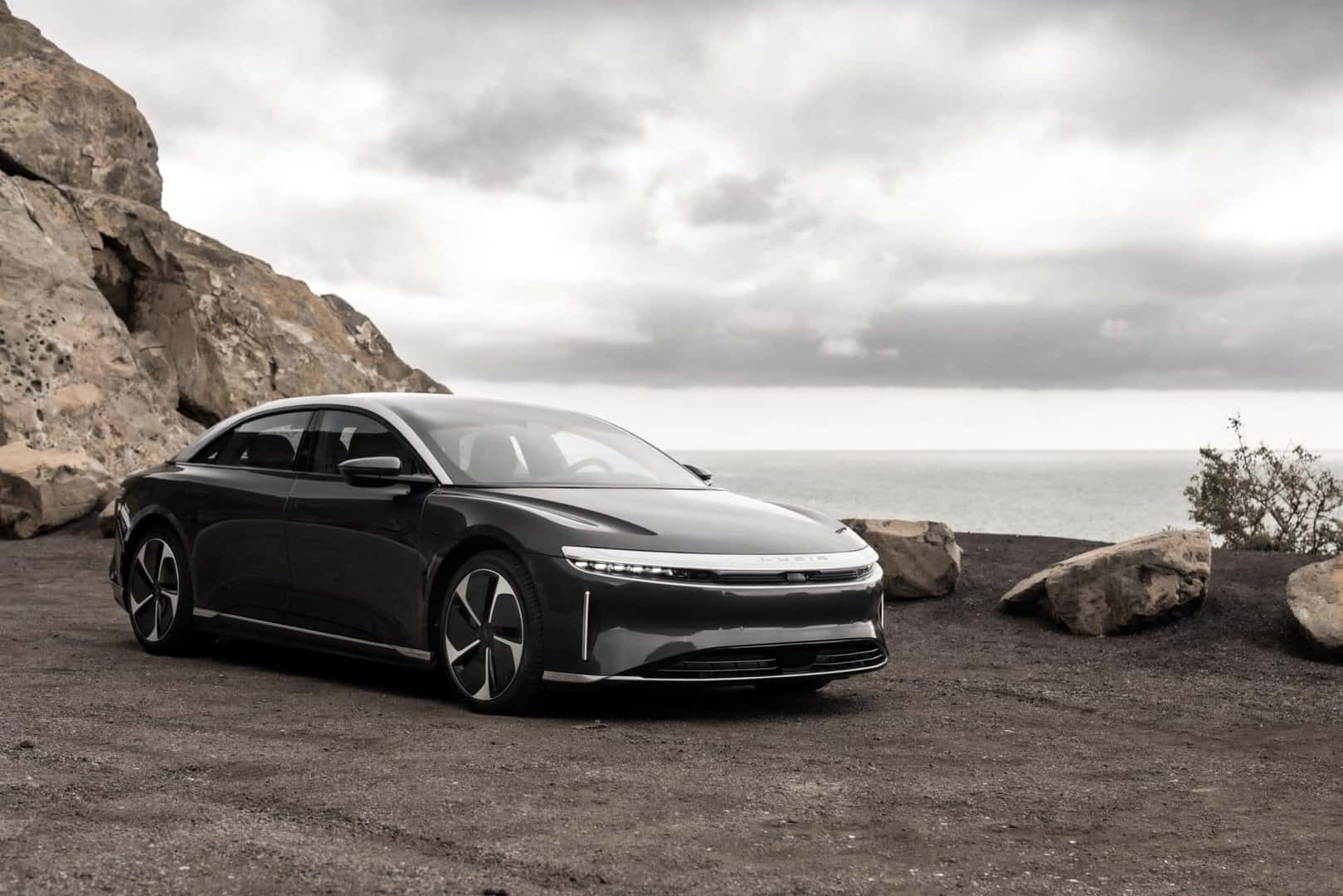
They identified these vehicles as having the biggest cargo space in their size class. The measurements are listed with the rearmost seats up. On three-row models, we also added the measurement behind the second-row seats.
- Small SUV: 2025 Hyundai Tucson Hybrid Limited – 21.8 cubic feet
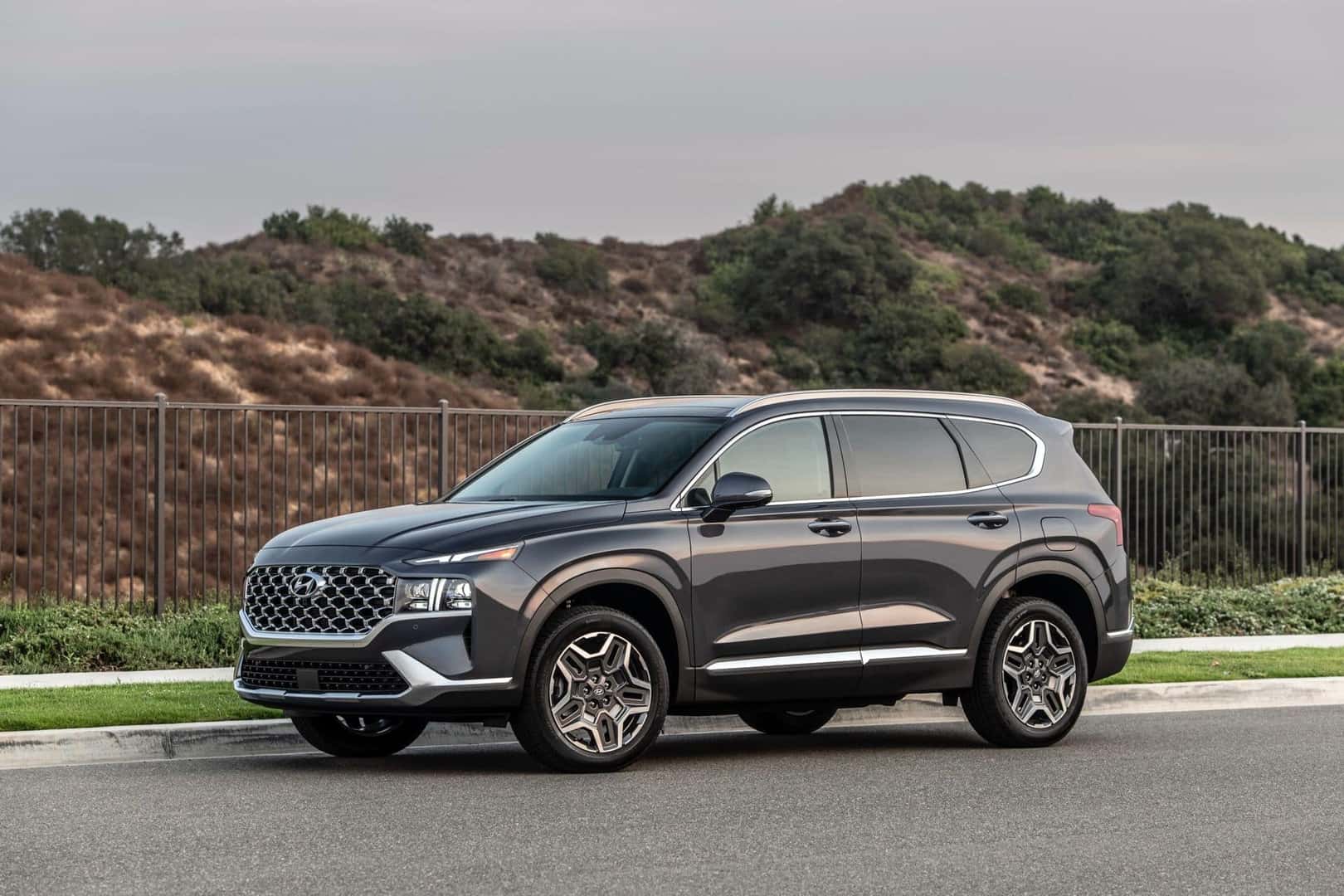
- Mid-Size 2-Row SUV: 2021 Hyundai Santa Fe Calligraphy – 25.3 cubic feet
- Mid-Size 3-Row SUV: 2021 Volkswagen Atlas SEL Premium – 14.0 cubic feet (29.9 cubic feet behind the second row)
- Full-Size SUV: 2021 Chevrolet Suburban High Country – 23.0 cubic feet (41.8 cubic feet behind the second row)
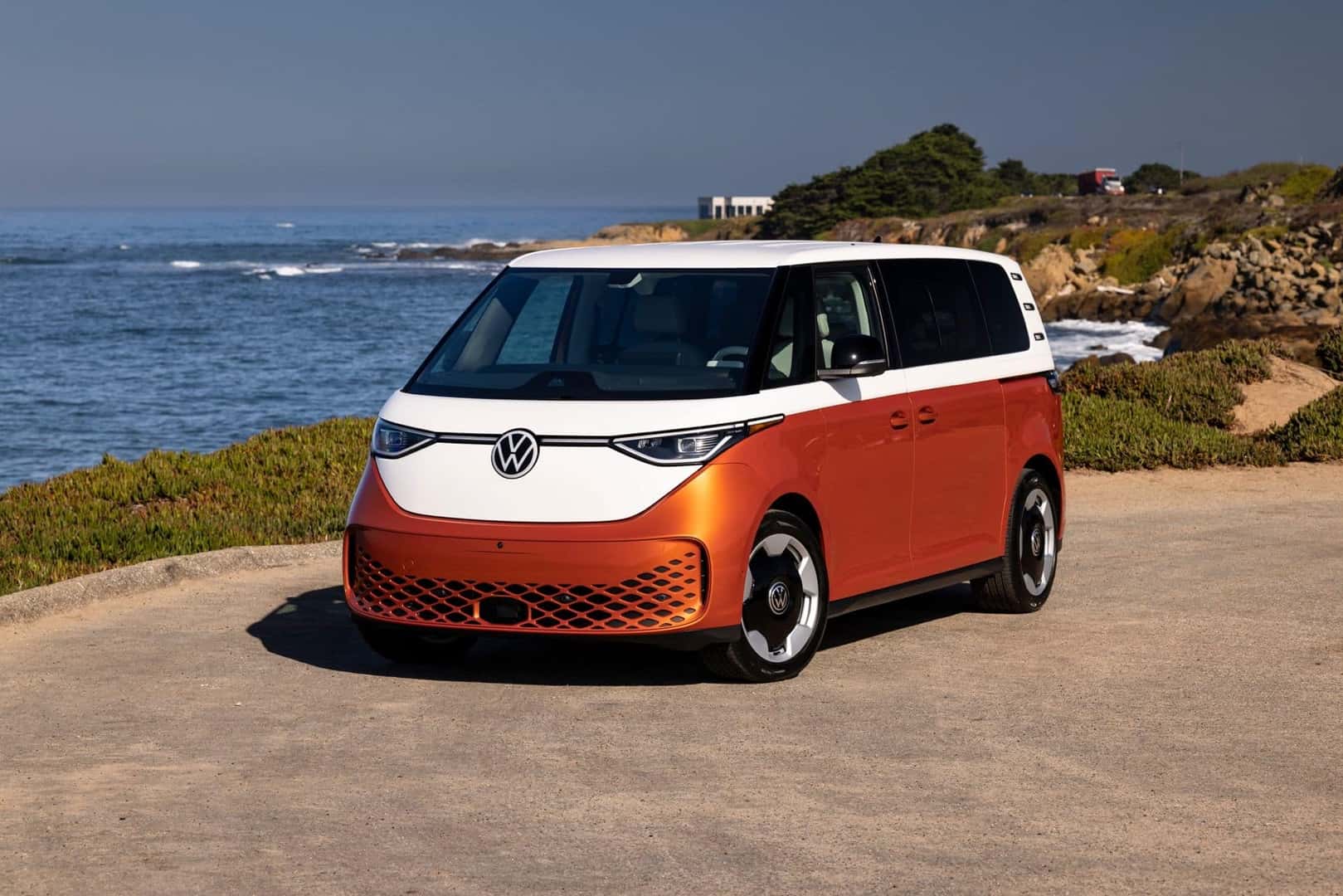
- Minivans: 2025 Volkswagen ID. Buzz Pro S – 48.9 cubic feet with the third-row seats removed, AND 2022 Kia Carnival SX – 23.9 cubic feet (45.5 cubic feet behind the second row)
- Small Sedans: 2024 Hyundai Elantra Hybrid Limited – 20.0 cubic feet
- Md-Size Cars: 2022 Mercedes-Benz E450 All-Terrain Wagon – 21.1 cubic feet AND Tesla Model S Plaid – 20.9 cubic feet
- Full-Size Cars: 2023 Lucid Air Touring – 18.2 cubic feet
Additionally, Cars.com offers these quick tips to help you determine which vehicles would work best for you in terms of cargo hauling. First, they remind us that trunks run high while hatches run low. One reason is that they “measure to the top of the rear seatback (this maintains rear visibility and helps prevent cargo from becoming projectiles in a crash). A large item that extends above this plane certainly occupies more space. Many trunks achieve similar ends with a folding backseat.”
Additionally, the cargo space numbers provided by the brand may not be exactly the same as those calculated by Cars.com. Manufacturers use their own design, not a universal one, taking into consideration wheel well, fuel tank, and battery pack protrusions, among other things. Some cargo holds are “complex” and may not match what the manufacturer states for their own measurements.
You may have noticed that some trim levels were singled out from others within a model line. There are variations between trim levels in terms of cargo space. As Cars.com points out, the variances may include “equipment like spare tires, audio equipment, and adjustable floors.”
The one thing we suggest is to simply take a look back there. Even bring what you usually carry and fit it in the new vehicle’s space so that you can visualize how the cargo space will work for you. You can start by checking out the vehicles we currently offer at Alderman Automotive. Just contact us to determine which vehicle’s cargo space is right for
0 comment(s) so far on Which Vehicles Offer The Most Cargo Space Overall?